Films
5 films
About William Bechtel
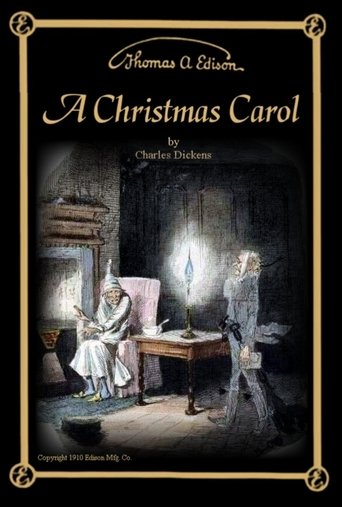
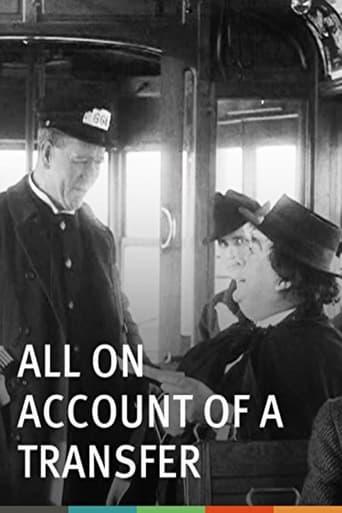
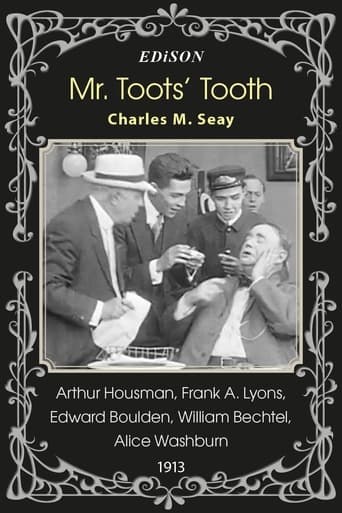
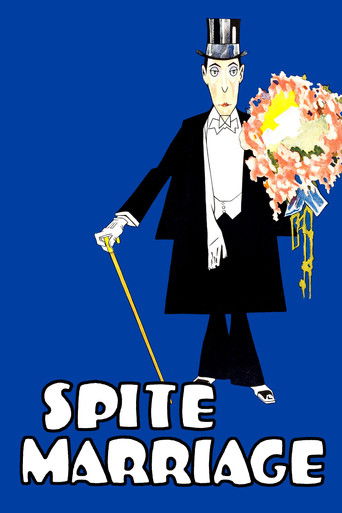
American actor who worked during the silent film era and early sound period, with a career spanning nearly two decades from 1910 to 1929. He began his film career in the earliest days of American cinema, appearing in the 1910 adaptation of Charles Dickens' 'A Christmas Carol,' one of the first film versions of the classic story. Throughout the 1910s, he appeared in numerous short comedies, including 'All on Account of a Transfer' and 'Mr. Toots' Tooth' in 1913, establishing himself as a reliable character actor in the burgeoning film industry. His most notable film appearance came in 1929 with 'Spite Marriage,' Buster Keaton's final silent film for MGM, which showcased his ability to work alongside major comedy stars of the era. Bechtel's career coincided with the transition from silent films to talkies, though he appears to have retired or left the industry around 1929, possibly due to the challenges many character actors faced during this technological shift in Hollywood.
The Craft
Milestones
- Appeared in one of the earliest film adaptations of 'A Christmas Carol' (1910)
- Worked consistently throughout the silent era
- Appeared in Buster Keaton's final silent film 'Spite Marriage' (1929)
- Transitioned from the earliest days of cinema to the sound era
Best Known For
Must-See Films
Working Relationships
Worked Often With
Studios
Why They Matter
Impact on Culture
William Bechtel represents the many character actors who formed the backbone of early American cinema, working consistently across nearly two decades of film history. His appearance in the 1910 version of 'A Christmas Carol' places him among the pioneers who helped establish film adaptations of literary classics. His participation in 'Spite Marriage' connects him to the end of the silent era and the work of comedy legend Buster Keaton, making him part of a significant transitional moment in film history.
Lasting Legacy
While not a major star, William Bechtel's career exemplifies the journey of countless actors who worked during the foundational years of American cinema. His filmography, spanning from the very early days of silent film through to the transition to sound, shows the evolving nature of the film industry and the many performers who adapted to its changes.
Who They Inspired
As a supporting actor from the silent era, Bechtel's direct influence on later performers is difficult to trace, but his work contributed to the development of film acting techniques during a crucial period in cinema history.
Off Screen
Very little personal information is available about William Bechtel, which was common for supporting actors from the silent era who were not major stars.
Did You Know?
- Appeared in one of the earliest film adaptations of 'A Christmas Carol' in 1910
- Credits cover 19 years in this catalog, from the early days of cinema to the transition to sound
- Worked with Buster Keaton in Keaton's final silent film
- His filmography includes both dramatic adaptations and comedies
- Like many silent era actors, detailed biographical information about him is scarce
- His career demonstrates the longevity possible for character actors even without achieving stardom
Frequently Asked Questions
Who was William Bechtel?
American with credits in this catalog. He was a character actor who worked consistently throughout nearly two decades of early American cinema.
What films is William Bechtel best known for?
Titles linked here include A Christmas Carol (1910), Spite Marriage (1929).
When was William Bechtel born and when did he die?
Unfortunately, specific birth and death dates for William Bechtel are not available in historical records, which is common for many supporting actors from the silent era who were not major stars.
What awards did William Bechtel win?
There are no recorded awards or nominations for William Bechtel, which was typical for character actors of his era during the early days of cinema before major award systems were established.
What was William Bechtel's acting style?
Specific details about William Bechtel's acting style are not well-documented, but as a silent era actor who worked across different genres from drama to comedy, he would have used the exaggerated physical expressions and gestures typical of the period.
Did William Bechtel work with any famous actors?
Yes, his most notable collaboration was with Buster Keaton in 'Spite Marriage' (1929), which was Keaton's final silent film for MGM. This placed Bechtel alongside one of the greatest comedy stars of the silent era.