1912 · Approximately 17 minutes

Also available on: YouTube
Under Burning Skies

Under Burning Skies

1912 Approximately 17 minutes United States
Jealousy and revengeFrontier violenceRomantic rivalryMoral conflict in the Wild WestPursuit and retribution

Plot

Set in the rough-and-ready world of the American West, Under Burning Skies centers on Joe, known locally as "The Bad Man of San Fernand," a dangerous and domineering outlaw who decides he wants a young woman for himself. When she rejects his advances and instead elopes with a clean-cut young cowpoke, Joe’s jealousy turns to vengeance. The lovers attempt to escape the reach of the bad man, but his bitterness and the lawlessness of the frontier keep them in peril. In the end, Joe exacts his revenge, bringing the short melodrama to a grim and abrupt conclusion typical of early Western crime stories.

About the Production

Release Date 1912
Production Biograph Company
Filmed In United States

Under Burning Skies was produced as a one-reel silent Western drama during D.W. Griffith’s prolific Biograph period, when he was making multiple films per month and refining the language of narrative cinema. Like many Biograph shorts of 1912, it was designed for rapid production and distribution rather than for elaborate sets or star-centered promotion, and very little detailed production documentation survives. The film is associated with the early Western repertoire of Biograph, which often mixed frontier melodrama, abduction, pursuit, romance, and revenge into compact stories. Because the film survives only in limited historical records and not in widely circulated modern prints, details such as exact shooting site, budget, and box office were not preserved in contemporary documentation.

Historical Background

The film was produced in 1912, a key year in the evolution of American cinema. Feature-length narratives were beginning to emerge, but short films still dominated distribution, exhibition, and studio production, especially for companies like Biograph. At the same time, the Western genre was consolidating many of its enduring conventions: the threatened heroine, the jealous outlaw, the heroic cowboy, the pursuit, and the violent moral resolution. Under Burning Skies sits squarely within this formative period, reflecting both the popularity of frontier stories and the industrial shift toward more sophisticated editing and story construction. Griffith’s work at Biograph was central to this transition, and films like this one demonstrate how quickly silent cinema was learning to communicate clear character motivation and dramatic stakes without synchronized sound.

Why This Film Matters

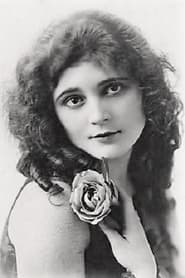
Although not a famous landmark in the way Griffith’s major feature films later became, Under Burning Skies is culturally important as part of the early Western tradition and the development of silent screen grammar. It shows how cinema was turning the mythic West into a repeatable narrative template for audiences across the United States. The film also contributes to the screen personas of early silent performers such as Blanche Sweet and Wilfred Lucas, who helped define archetypes of frontier womanhood, heroism, and villainy. In broader film history, shorts like this are valuable because they document the everyday craft of the transitional era and reveal how commercial cinema built the genre conventions that later filmmakers would refine.

Making Of

Under Burning Skies was made during the highly productive Biograph years in which D.W. Griffith supervised a rotating repertory company of players and crew, often working with the same actors across multiple genres. Blanche Sweet and Wilfred Lucas were among the performers Griffith relied on for emotionally legible, physically expressive acting suited to silent film narration. The production likely used the efficient one-reel workflow characteristic of the studio: a compact script, quick shooting schedule, and heavy dependence on visual storytelling rather than intertitles. No major behind-the-scenes anecdotes have survived in the standard archival record, but the film is historically significant as one of the many short Westerns that helped Griffith and Biograph test pacing, suspense, and frontier melodrama in a format accessible to mass audiences.

Visual Style

The film’s cinematography would have been typical of Griffith’s early Biograph work: clear staging, economical shot construction, and an emphasis on readable action within the frame. Early 1910s Westerns often used outdoor settings or landscape evocations to suggest openness, danger, and mobility, even when shot with modest production means. Griffith’s style at this time favored increasingly purposeful cutting and the arrangement of dramatic beats so that the audience could follow pursuit, threat, and emotional reaction with ease. While surviving visual evidence is limited, the film belongs to the period in which shot composition was becoming more consciously dramatic and less stagebound than in earlier cinema.

Innovations

The film does not appear to be associated with a single headline technical innovation, but it is part of the broader Griffith/Biograph period in which cinematic technique was being refined rapidly. These films contributed to the normalization of tighter narrative continuity, expressive reaction shots, and clearer spatial relationships in action scenes. Under Burning Skies also represents the efficient one-reel storytelling that helped establish the Western as a durable commercial genre. Its value is therefore historical and developmental: it is a small but meaningful example of the language of classical narrative cinema taking shape.

Music

As a 1912 silent film, Under Burning Skies had no synchronized soundtrack. In original exhibition, it would have been accompanied by live music chosen by the theater, often a pianist or small ensemble using stock repertory that matched the film’s mood and action. Surviving records do not preserve a specific composed score for the film. Modern screenings of silent shorts like this are typically accompanied by either improvised live music or archival-style restoration scores created for presentation.

Famous Quotes

No synchronized dialogue survives from this silent film.
Contemporary plot summaries describe Joe as "The Bad Man of San Fernand.

Memorable Scenes

  • Joe’s pursuit of the young woman after she rejects his advances, setting the film’s revenge plot in motion.
  • The elopement of the heroine and her cowpoke lover, a classic silent-era escape scene that shifts the story from romance into danger.
  • The final revenge turn in which Joe ultimately answers rejection with violence, ending the melodrama on a stark note.

Did You Know?

  • The film is part of D.W. Griffith’s early 1910s Biograph output, a period when he helped standardize editing patterns and cinematic storytelling conventions.
  • It is a short silent Western rather than a feature-length production, reflecting the typical American film format of 1912.
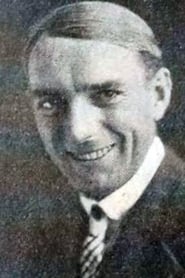
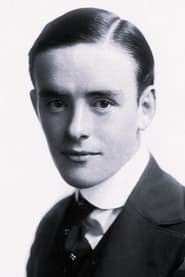
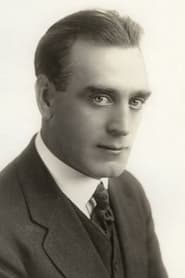
  • The cast includes Wilfred Lucas and Blanche Sweet, both important figures in Griffith-era filmmaking.
  • Christy Cabanne appears in the cast, and he was also a notable Griffith associate who later became a director himself.
  • The character description "The Bad Man of San Fernand" fits the era’s fondness for vividly named frontier antagonists and sensational moral conflicts.
  • Like many Griffith shorts, the film likely relied on expressive pantomime, location-style backgrounds, and brisk action to tell its story economically.
  • Because surviving records are sparse, many modern databases reconstruct its plot from period summaries and archival filmography references.
  • The film belongs to the transitional moment when Westerns were becoming more polished and narratively coherent, moving beyond simple chase scenes.
  • Its title evokes the visual drama of frontier danger, a common attraction in early American cinema aimed at urban audiences fascinated by the West.

What Critics Said

Contemporary critical reception is not well preserved in readily accessible modern sources, and the film does not appear to have generated the kind of individual press attention reserved for later feature releases. Like many Biograph one-reelers, it was likely reviewed, if at all, as part of a regular program of short subjects rather than as a stand-alone prestige title. Modern critical attention is mostly historical and scholarly: film historians view it as a representative example of Griffith-era Western melodrama and of the studio system’s efficient production of genre shorts. Its interest today lies less in famous reviews than in what it reveals about early narrative cinema, star development, and the grammar of silent Western storytelling.

What Audiences Thought

Specific audience reaction records are not known to survive, but the film was made for the broad nickelodeon-era market that favored fast-moving, emotionally direct melodramas. The combination of romance, abduction, frontier danger, and revenge would have been familiar and appealing to early moviegoers, who often responded strongly to clear moral conflicts and action-driven stories. As a Biograph release, it would have been circulated widely enough to play in a variety of neighborhood theaters, where audiences consumed such shorts as part of mixed programs. Its strongest appeal likely came from its concise delivery of suspense and its recognizable Western type characters rather than from any one-star draw or elaborate spectacle.

Film Connections

Influenced By

  • Early Biograph Westerns and frontier melodramas
  • Popular dime-novel and stage-Western storytelling traditions
  • The established silent-era chase-and-rescue formula

This Film Influenced

  • Later D.W. Griffith Western and melodramatic shorts
  • The developing silent Western tradition of the 1910s
  • Frontier revenge and rescue narratives in American genre cinema

Film Restoration

The film is an early silent title with limited surviving documentation and is not widely available in mainstream circulation; it is generally treated as a rare archival film rather than a commonly screened preserved classic. No universally accessible complete restoration is widely noted in standard public listings, and availability may depend on archive holdings or specialty film historians.

Themes & Topics