His Duty
Plot
On Bob Allen’s twenty-first birthday, his mother and his brother Jack, a policeman, present him with a cap secretly lined with his initials, a gift meant to mark his coming of age. Bob spends the day away from home, while Jack goes on duty and is later summoned to a robbery scene, where he discovers the cap and realizes with horror that the thief may be his own brother. Confronted with the evidence, Jack returns home and faces Bob, whose guilt is implied by the cap and the circumstances surrounding the crime. Though the revelation devastates their mother, Jack chooses his professional duty over family loyalty and arrests Bob himself, ending the film on a stark note of moral conflict and tragic restraint.
About the Production
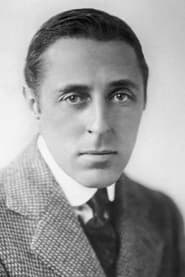
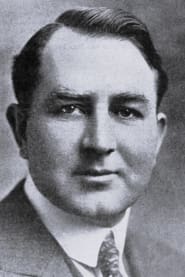
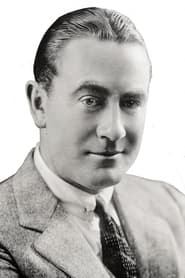
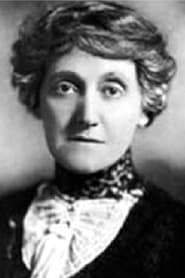
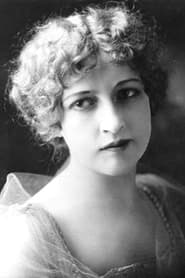
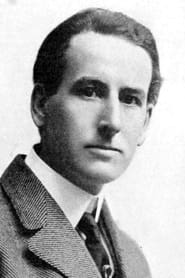
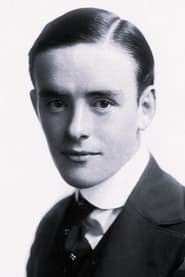
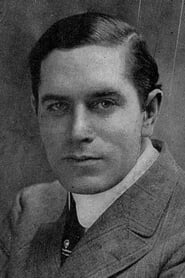
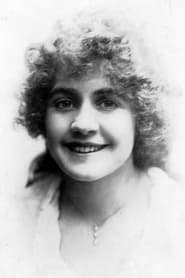
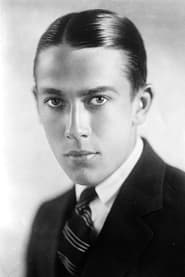
His Duty is a brief Biograph-era D.W. Griffith drama from the period when the director was refining the grammar of American narrative filmmaking through short, self-contained morality plays. Like many films of 1909, it was produced quickly on a modest studio-backed schedule, using interior sets and straightforward exterior scenes typical of Biograph's East Coast production methods. The cast included several of Griffith's regular performers, among them Frank Powell, Owen Moore, and Kate Bruce, who were familiar to silent-film audiences and to the studio's house style. No budget records or box-office figures are known for this title, which was common for one-reel films of the era.
Historical Background
His Duty was released in 1909, when American cinema was still in the process of defining itself as a narrative art form rather than a novelty attraction. The film emerged during the Progressive Era, a period marked by strong public interest in civic responsibility, law enforcement, morality, and social reform, all themes that resonated with popular melodrama. D.W. Griffith’s Biograph films from this time were central to the medium’s evolution, helping establish conventions of cross-cutting, close emotional identification, and the short-form dramatic arc. The film also reflects the cultural fascination with duty, order, and the costs of modern urban life, presenting law and kinship as forces that can collide tragically within the home.
Why This Film Matters
While His Duty is not among Griffith’s most famous titles, it is culturally significant as a representative example of the early American moral melodrama and of the studio-era short film that shaped mainstream cinema’s narrative language. Its story demonstrates how early filmmakers used compact domestic plots to explore serious ethical questions, making cinema an instrument for emotional instruction as well as entertainment. The film also belongs to the broader Griffith corpus that has been studied for its role in formal innovation, even when individual titles are now less widely known. For historians, it offers a snapshot of the kinds of stories, acting styles, and moral frameworks that were popular in the years before feature-length cinema became dominant.
Making Of
His Duty was made during D.W. Griffith’s intensely productive Biograph period, when he was developing a repertory company of actors and testing increasingly sophisticated ways to tell concise emotional stories. The production likely relied on a minimal number of sets and a small cast, with the emphasis placed on clear visual storytelling, expressive performance, and economical editing rather than elaborate design. Griffith frequently returned to domestic melodrama and socially charged moral conflicts in 1909, and this film fits neatly into that pattern by turning a family gift into a tragic piece of evidence. As with many early shorts, the filmmaking process was highly studio-controlled and practical, with little surviving documentation about day-to-day production decisions beyond cast listings and release records.
Visual Style
The cinematography is characteristic of early Griffith-era Biograph work: static or lightly mobile camera placement, carefully arranged tableau compositions, and an emphasis on readable body language and facial expression. Rather than relying on elaborate camera movement, the film would have conveyed its drama through staging, gesture, and the timing of intertitles and cuts. The visual storytelling likely contrasts intimate domestic interiors with the more public, duty-bound world of police work, using simple but effective spatial relationships to underline the moral conflict. As with many films from 1909, clarity of action was more important than visual ornament, and the film’s style would have been clean, direct, and purpose-driven.
Innovations
The film’s primary achievement is its efficient and legible narrative construction within the constraints of a one-reel runtime. It demonstrates the early silent cinema’s ability to communicate complex family relationships and moral conflict with minimal exposition. Griffith’s early work is historically important for advancing continuity principles, and even a modest film like this participates in that larger development through clear scene progression and emotionally motivated editing. There are no known special effects or headline technical novelties, but the film’s disciplined visual storytelling is part of the broader technical maturation of American narrative film in 1909.
Music
No original synchronized soundtrack survives, as the film was produced in the silent era. Any music heard today would depend on the venue or archive presentation, typically a live pianist, organist, or modern curated silent-film accompaniment chosen to match the emotional tone. Surviving records do not indicate a specific original score or cue sheet for this title. In contemporary screenings, music is usually improvised or reconstructed to support the melodramatic tension and final emotional impact.
Famous Quotes
No spoken dialogue survives; the film is silent.
No verified intertitle quotations are widely documented for this title.
Memorable Scenes
- Bob receives the birthday cap from his mother and brother, with the hidden initials in the lining serving as the film’s crucial visual clue.
- Jack discovers the cap at the robbery scene and realizes the thief may be his own brother, turning a routine police call into a family crisis.
- The final home confrontation, in which Jack must choose between brotherly devotion and his obligation as an officer, delivers the film’s emotional climax.
- The heartbreaking arrest scene, with the mother overwhelmed by the consequences of duty, provides the movie’s most memorable emotional image.
Did You Know?
- The film is a one-reel Biograph drama from the early years of D.W. Griffith’s directing career, when he was making dozens of short films in rapid succession.
- Its central moral dilemma—duty to the law versus loyalty to family—was a favorite subject in many early Griffith dramas.
- The film stars Frank Powell, who was not only an actor but also an important early film director and collaborator in the silent era.
- Owen Moore was one of the recognizable male faces in early American cinema and later became better known as Mary Pickford’s first husband.
- Kate Bruce was one of Griffith’s recurring “mother” performers, often cast in maternal roles that embodied domestic virtue and emotional suffering.
- The film exemplifies Biograph’s practice of compressing complete dramatic arcs into a single reel, with a carefully staged final moral decision.
- Like many films of 1909, it was released without synchronized sound, dialogue cards carrying only the necessary exposition and intertitles.
- The title reflects the era’s common emphasis on civic obligation and melodramatic sacrifice in popular short subjects.
- The story’s use of a personalized cap as incriminating evidence is a classic silent-film plot device, relying on visual detail rather than dialogue.
- The film survives in film-historical records and catalog references, though many early Griffith titles exist only in incomplete or uncertain preservation states.
What Critics Said
Contemporary reviews for many 1909 Biograph shorts were brief and often appeared in trade papers rather than in the kind of formal criticism later films would receive, and specific surviving reviews for His Duty are scarce. In its own period, the film would have been understood as a compact dramatic offering from a reliable studio brand rather than as a prestige feature. Modern critical interest tends to focus less on the film as an isolated masterpiece and more on its place within Griffith’s early development, especially his handling of family conflict, suspense, and visual storytelling. Film historians may regard it as a solid but modest example of early silent melodrama, valued primarily for historical context and as part of the surviving record of Griffith’s Biograph output.
What Audiences Thought
No detailed audience data survives for the film, which is typical for short subjects from the 1900s. At the time, audiences generally responded well to Biograph dramas because they combined recognizable performers, clear moral conflicts, and emotionally direct storytelling. The film’s premise—an older brother forced to arrest a younger brother after discovering evidence of theft—would likely have been especially effective for viewers who favored sentiment, tension, and a final tragic gesture. Its appeal probably lay in the shock of the revelation and the emotional pain of the mother's silent suffering, both of which were hallmarks of early melodrama.
Film Connections
Influenced By
- Stage melodrama
- Early American domestic drama
- Victorian moral storytelling
- Law-and-order newspaper melodramas
This Film Influenced
- Later domestic melodramas that center on family betrayal and moral duty
- Early police-and-family conflict dramas in silent cinema
- Griffith-era morality plays in short-form narrative film
You Might Also Like
More Drama Films
View allMore from D.W. Griffith
View allFilm Restoration
The film is known from archival and catalog records and is generally regarded as extant in some form, though detailed preservation documentation is limited and access may depend on archive holdings or film-reference copies. As with many 1909 Biograph shorts, it is not widely circulated and may not exist in a modern commercial restoration. Specific restoration status is not clearly documented in widely available public sources.