The Joneses Have Amateur Theatricals
"Amateur theatrics at the Jones house"
Keys: Space play/pause · ←/→ 10s · F fullscreen · M mute · </> speed
About this film
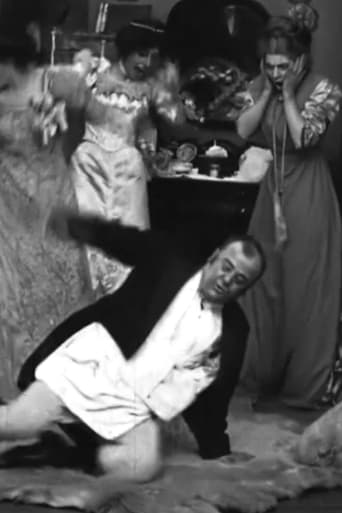
Amateur theatrical society meets at Jones residence; both Joneses catch acting fever in split-reel farce. The Joneses Have Amateur Theatricals (1909) satirizes suburban drama clubs.
Cast & crew
More films like this
More Comedy films
View all →







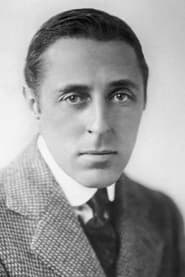
More from D.W. Griffith
View all →
More about this film
About the production
Release dateFebruary 18, 1909
BudgetApproximately $200 - $500 (Estimated based on Biograph split-reel production averages of 1909)
ProductionAmerican Mutoscope & Biograph Company
Filmed inBiograph Studio, 11 East 14th Street, New York City, New York, USA
This film was produced during D.W. Griffith's incredibly prolific first year at Biograph, where he was directing nearly two to three films per week. It was released as a 'split-reel,' meaning it shared a 1,000-foot reel with another short film titled 'The Hindoo Dagger.' The production utilized the standard Biograph stock company, which functioned as a tight-knit ensemble where actors frequently assisted with props and costumes between takes.
Themes
Social AmbitionDomestic MisunderstandingThe Meta-Theatrical (Acting about Acting)Middle-Class LeisureJealousy
Themes & topics
amateur theaterhusband and wifeactingrehearsalmistaken identity1900s comedyBiographdomestic trouble
Historical background
The Joneses Have Amateur Theatricals (1909) mocks middle-class leisure culture in Biograph comedy.
Why this film matters
Amateur-theater satire linked cinema to Progressive-era community performance craze.
Making of
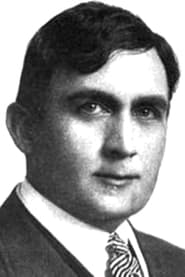
The production was filmed at Biograph’s 14th Street studio in Manhattan. D.W. Griffith worked closely with cinematographer G.W. 'Billy' Bitzer to refine the 'Biograph style,' which emphasized naturalistic acting over the exaggerated pantomime common in early film. Because the 'Jones' films were so popular, the cast—led by John R. Cumpson and Florence Lawrence—developed a shorthand for their characters, allowing Griffith to shoot these comedies with minimal rehearsal. The set for the Jones' residence was a recurring backdrop at the studio, slightly redressed for each installment to maintain a sense of continuity for the audience.
What critics said
Local audiences recognized themselves; historians note typical split-reel length.
Did you know?
- This is one of several films in the popular 'Jones' series (often called the 'Jonesy' series) produced by Biograph between 1908 and 1909.
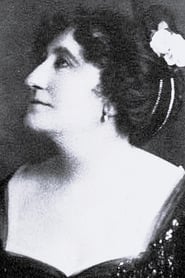
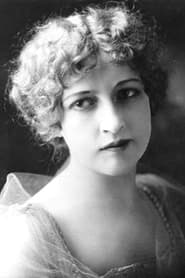
- Florence Lawrence, who plays Mrs. Jones, was known at the time only as 'The Biograph Girl' because the studio did not yet credit actors by name.
- The film was released on a split-reel alongside the drama 'The Hindoo Dagger' to provide a balanced program of comedy and suspense for nickelodeon audiences.
- Director D.W. Griffith actually began his career as a stage actor and playwright, making the theme of 'amateur theatricals' a meta-commentary on his own background.
- Mack Sennett, who would later found Keystone Studios and become the 'King of Comedy,' appears in a small role as a member of the theatre troupe.
- The film's length was exactly 400 feet of 35mm film.
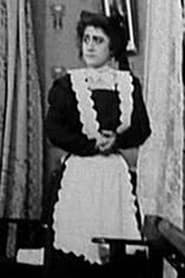
- Linda Arvidson, who plays the maid, was D.W. Griffith's wife in real life, though their marriage was kept secret from the studio at the time.
- The 'Jones' series is considered one of the earliest examples of a recurring character sitcom in cinematic history.
Visual style
Shot by the G.W. 'Billy' Bitzer, the film uses a static camera position typical of 1909, but with a clear, deep-focus frame that allows multiple comedic actions to happen simultaneously. Bitzer's lighting was relatively flat, as was standard for the time, but his framing ensured that the physical comedy of the 'acting' within the film was perfectly captured without the need for close-ups.
Innovations
The film demonstrates Griffith's early mastery of 'continuity of action' within a single room. While it doesn't feature the revolutionary editing techniques Griffith would later invent (like the close-up or cross-cutting for suspense), it shows a sophisticated use of the 'proscenium' space to tell a complex narrative involving multiple characters in a very short runtime.
Music
As a silent film, there was no recorded soundtrack. It would have been accompanied by a live pianist or organist in the theater, likely playing popular ragtime or light classical 'hurry' music during the more chaotic rehearsal scenes.
Famous quotes
Intertitle: The acting bug bites the Joneses.
Intertitle: Mr. Jones proves a success as a stage lover.
Memorable scenes
- The scene where Mr. Jones practices his 'dramatic' death scene, much to the confusion of his household staff.
- The climax where Mrs. Jones enters the room and sees her husband in a passionate (but purely theatrical) embrace with another woman, leading to a frantic chase around the living room furniture.
What audiences thought
The 'Jones' films were immensely popular with nickelodeon audiences, who enjoyed the relatable, slapstick-lite domestic squabbles. The character of Mr. Jones was seen as a lovable everyman whose social ambitions often outpaced his abilities, a trope that resonated with the urban working and middle classes of the era.
Film connections
Influenced by
- French 'Max Linder' comedies
- Vaudeville sketches
- Victorian parlor theatricals
This film influenced
- The Honeymooners
- I Love Lucy
- Modern domestic sitcoms
Film restoration
Preserved. A 35mm positive print and the original paper print (used for copyright purposes) are held in the Library of Congress's Paper Print Collection. It has been restored and is occasionally screened in D.W. Griffith retrospectives.
Where to watch
- Library of Congress (Archive)
- Museum of Modern Art (Film Library)
- Available on various 'Early Cinema' DVD collections
- Public domain sites like Internet Archive