1909 · Approximately 10 minutes

Also available on: Archive.org
The Way of Man

The Way of Man

1909 Approximately 10 minutes United States
Self-sacrificeRomantic renunciationPhysical suffering and social worthMoral dutyFemale virtue

Plot

In this early D.W. Griffith drama, a woman suffers a devastating accident that leaves her physically scarred and emotionally isolated, altering the course of her life and her relationship with the man she loves. Although he is attached to her and she clearly cares for him, she comes to believe that her disfigurement makes her unworthy of standing in the way of his future happiness. Rather than forcing him to choose her, she sacrifices her own desires and allows him to pursue marriage with another woman. The film turns on this act of self-denial, presenting it as a grim but dignified example of emotional restraint and moral duty, a characteristic theme in many Griffith-era melodramas.

About the Production

Release Date 1909
Production Biograph Company
Filmed In United States

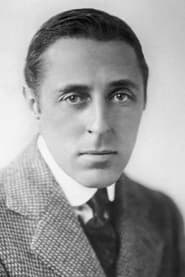
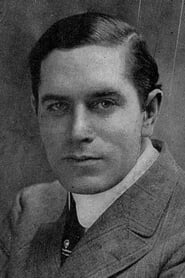
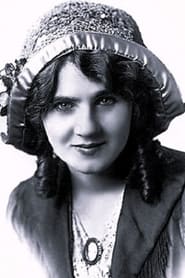
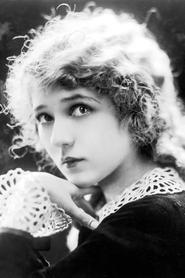
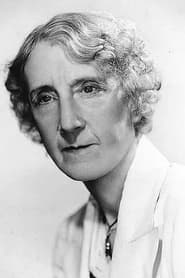
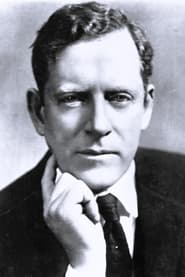
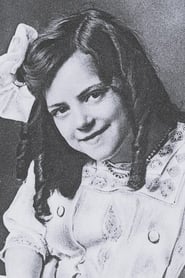
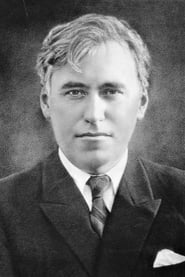
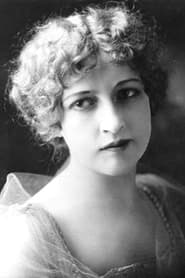
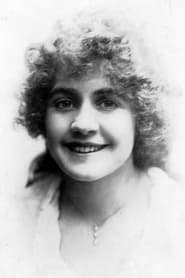
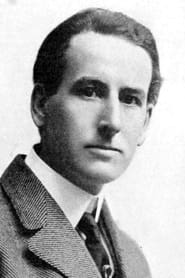
The film was produced during Griffith's formative Biograph period, when he was rapidly expanding the expressive possibilities of the American narrative short. As with many Biograph films of 1909, detailed production records are sparse, so precise location, budget, and shooting schedule information are not well documented. The cast included several of Griffith's most important early stock performers, among them Arthur V. Johnson, Florence Lawrence, and Mary Pickford, reflecting Biograph's emerging ensemble system. The film is representative of the studio's fast-paced output of one-reel dramas, likely shot on interior sets and simple exterior locations typical of the period.

Historical Background

The film was made in 1909, a pivotal year in the development of American cinema. The industry was still dominated by short films, with one-reel dramas serving the needs of nickelodeons and mixed vaudeville programs, while filmmakers were beginning to explore more sophisticated continuity editing and character psychology. D.W. Griffith's Biograph work from this period is historically important because it helped standardize narrative techniques that would become central to classical Hollywood storytelling. Socially, the film reflects early 20th-century melodramatic attitudes about female virtue, sacrifice, disability, and romantic duty, presenting personal suffering as a moral test rather than a purely private tragedy. It also emerged during a period when the movie business was still forming its star system, making the appearance of performers like Pickford and Lawrence especially significant in retrospect.

Why This Film Matters

Although not one of Griffith's most famous surviving titles, The Way of Man is culturally important as part of the body of early films that helped establish the emotional grammar of American screen melodrama. Its story of self-sacrifice and romantic renunciation is emblematic of the era's moral storytelling, in which suffering women were often depicted as noble figures whose virtue was measured by their willingness to give up personal happiness. The film also holds significance for film historians because it features Florence Lawrence and Mary Pickford before their transformation into internationally recognized stars, underscoring the way early cinema developed celebrity culture. As an artifact of 1909 studio practice, it contributes to our understanding of how Griffith and Biograph shaped the transition from simple filmed scenes to more nuanced narrative cinema.

Making Of

The Way of Man was made at a time when Griffith was directing films at an extraordinary pace for Biograph, often refining story construction, editing, and emotional emphasis from title to title. Productions from this period generally used a small repertory company, which allowed Griffith to work quickly with performers he knew well and could direct efficiently. The participation of Florence Lawrence and Mary Pickford is especially significant in retrospect because both were entering the phase of stardom that would transform the public status of screen actors. Surviving behind-the-scenes documentation is minimal, so most of what can be said with confidence comes from the film's place within Griffith's broader 1909 production style: compact narratives, strong moral conflict, and expressive close attention to character emotion.

Visual Style

The film would have employed the restrained, stage-influenced visual style common to 1909 Biograph productions, with relatively static framing, carefully arranged compositions, and clear presentation of action for immediate comprehension. Griffith and his cinematographers were already experimenting with a more expressive use of shot selection and editing than many competitors, but the film would still belong to the transitional era before fully developed feature-style visual grammar. Lighting was almost certainly dependent on natural or studio daylight sources common to the period, and the film likely used simple interior setups and minimal camera movement. The emphasis would have been on readable emotion, body language, and spatial clarity rather than visual spectacle.

Innovations

The film is not known for a single headline technical innovation, but it belongs to the period in which Griffith was helping advance continuity storytelling, emotional clarity, and controlled editing rhythms in American cinema. Its importance lies in the broader accumulation of techniques Griffith was refining at Biograph, including stronger narrative focus, more deliberate scene construction, and a greater reliance on actor expression to carry melodramatic meaning. As an early short drama, it also demonstrates the studio-era efficiency that helped establish a reliable production model for American fiction films. In historical terms, its technical value is primarily cumulative rather than singular.

Music

As a silent film, The Way of Man had no synchronized recorded soundtrack. Like most releases of the period, it would originally have been exhibited with live musical accompaniment, such as a pianist, organist, or small theater ensemble improvising or selecting cue music appropriate to the drama. No original score is known to survive, and no standardized published soundtrack is documented for the film. Modern presentations, when they exist, may use compiled silent-film accompaniment created by archives, restorers, or distributors.

Famous Quotes

No original spoken dialogue survives for this silent film.
Intertitles, if any existed in surviving prints, are not widely documented for this title.

Memorable Scenes

  • The central accident that leaves the heroine scarred and alters the emotional balance of the story.
  • The heroine's painful realization that her appearance may prevent her from claiming the love she feels.
  • Her self-sacrificing decision to step aside so the man she loves can marry another woman.
  • The final emotional resolution built around resignation rather than romantic fulfillment.

Did You Know?

  • The film was directed by D.W. Griffith during his highly productive first year or two at Biograph, a period that helped define the language of American narrative cinema.
  • Florence Lawrence and Mary Pickford both appear in the cast, making the film notable as an early example of two future silent-era stars working in the same Griffith production.
  • Arthur V. Johnson, one of the key male players in early Biograph dramas, was a frequent collaborator with Griffith and appears in many surviving and lost films from this era.
  • Like many 1909 shorts, the film is part of Griffith's extensive output of one-reel melodramas, designed for quick theatrical programming rather than feature-length exhibition.
  • The known plot centers on sacrifice and self-effacement, a moral pattern that recurs often in Griffith's early fiction films.
  • Because many Biograph films from this period survive only in incomplete form or are lost, documentation for the film is limited compared with later Griffith works.
  • The title reflects an old-fashioned moral phrasing typical of early 20th-century melodrama, suggesting a social or ethical code rather than a literal journey.
  • The film belongs to the era before screen credits were consistently standardized, when actors such as Pickford and Lawrence were often not publicly identified in contemporary advertising.
  • Its cast is historically interesting because both Florence Lawrence and Mary Pickford would later become among the first major film celebrities in America.
  • The film exemplifies Griffith's early interest in psychologically driven domestic drama rather than large-scale spectacle.

What Critics Said

Contemporary critical documentation for The Way of Man is limited, and there is no widely cited surviving record of major standalone reviews in the modern sense. Like many Biograph shorts of 1909, it was likely reviewed or discussed in trade contexts as part of the studio's regular release schedule rather than as a prestige title. In later film scholarship, the picture is generally treated as a minor but instructive example of Griffith's early melodramatic style and his work with an evolving repertory of actors. Today it is primarily of interest to historians, archivists, and silent-film scholars rather than general audiences, especially because its survival status and accessibility are limited.

What Audiences Thought

No detailed box-office or audience-response records are known to survive for this title. At the time of release, it would have played as a short subject in nickelodeons and similar venues, where audiences consumed films in rapid succession rather than as standalone attractions. Its appeal would have depended on familiar melodramatic themes of sacrifice, injury, and moral choice, which were popular with early moviegoers. In modern viewings, when available, audiences tend to approach it as an archival curiosity and a window into early star performance and Griffith's pre-feature storytelling style.

Film Connections

Influenced By

  • Stage melodrama of the late 19th and early 20th century
  • Victorian and Edwardian moral tales of sacrifice
  • Biograph's own early dramatic shorts
  • D.W. Griffith's developing interest in domestic tragedy and emotional conflict

This Film Influenced

  • Later D.W. Griffith melodramas featuring sacrifice and moral conflict
  • Silent-era domestic dramas centered on wounded or self-denying heroines
  • Early American character-driven melodramas that emphasized psychological suffering

Film Restoration

Survival documentation for this film is uncertain and incomplete; it is treated by many researchers as a lost or at least not widely accessible early Biograph title. No widely known restored, commercially available print is documented in standard references from the information currently available. If any elements survive, they are not broadly circulated in mainstream home-video or streaming editions. Archivally, it remains a film of interest primarily through catalogs, secondary references, and film-history databases rather than easy public access.

Themes & Topics