


A Calamitous Elopement
"A father's rage sends lovers into a thief's trap."
Keys: Space play/pause · ←/→ 10s · F fullscreen · M mute · </> speed
About this film
A young couple are enjoying a romantic interlude in the young woman's home, when her father discovers them and angrily chases the young man out of the house. They thus decide to elope, and they make plans accordingly. But as they are leaving, a thief discovers their plans, and he.
Cast & crew
More films like this
More Comedy films
View all →







More from D.W. Griffith
View all →
More about this film
About the production
Release dateJuly 11, 1908
Box officeNot recorded (box office tracking was not systematically done for films of this period)
ProductionAmerican Mutoscope and Biograph Company
Filmed inNew York City, New Jersey (Biograph's studio locations)
the production was shot on 35mm film with Biograph's unique 68mm format before being reduced to 35mm for distribution. The production was completed in a single day, which was standard practice for Biograph's one-reel films. The film features location shooting combined with studio sets, a technique Griffith was beginning to experiment with. The chase sequences were innovative for their time, utilizing multiple locations and camera movements that would become signature elements of Griffith's later work.
Themes
Young love and rebellionParental authority vs. romantic freedomDeception and misunderstandingThe comedy of errorsSocial class and courtship
Themes & topics
Historical background
A Calamitous Elopement (1908) reached screens through American Mutoscope and Biograph Company. Exhibitors of the time built nickelodeon-era programs that mixed shorts, features, and live acts, so a clear premise helped A Calamitous Elopement travel between cities and exchange markets.
Why this film matters
Archivists and revival programmers still cite A Calamitous Elopement (1908) when tracing studio habits, casting pools, and the visual rhetoric audiences once took for granted. Even modest surviving prints help map how A Calamitous Elopement fit beside competing releases of its day.
Making of
The production of 'A Calamitous Elopement' took place during D.W. Griffith's first months as a director at Biograph. Griffith had initially been hired as an actor but was given the opportunity to direct when the company was short on directors. The film was shot quickly, as was standard practice for Biograph's one-reel productions, with the entire filming process typically completed in a single day. The cast consisted primarily of Biograph's stock company actors who would appear in multiple films each week. Linda Arvidson, Griffith's wife at the time, was a frequent collaborator in his early films. The chase sequences required careful coordination between actors and camera operators, as the editing techniques for creating suspense through cross-cutting were still being developed. The outdoor scenes were likely filmed in or around New York City or Fort Lee, New Jersey, where Biograph had established production facilities before moving to California.
What critics said
Trade coverage around 1908 discussed A Calamitous Elopement for pacing, clarity, and program fit rather than blockbuster grosses. Later writers value it as evidence of period style and as a reference point beside other films from the same era.
Did you know?
- This was one of D.W. Griffith's earliest directorial efforts at Biograph, where he directed over 450 short films between 1908-1913
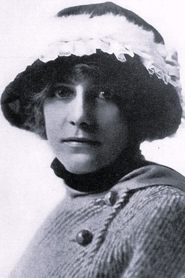
- Linda Arvidson, who plays the female lead, was married to D.W. Griffith during the production of the production
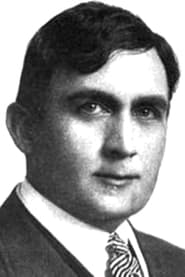
- Harry Solter, who plays the male lead, later became a prominent director himself and married actress Florence Lawrence
- The film was released during the period when nickelodeons were becoming popular entertainment venues
- Biograph films of this era were not credited by title in the films themselves, making identification sometimes challenging
- The film demonstrates Griffith's early experimentation with narrative structure and character development
- the production was part of Biograph's strategy to produce multiple films weekly to meet the growing demand from nickelodeon theaters
- The thief character represents an early example of the antagonist trope that would become common in chase comedies
- The film's title reflects the melodramatic naming conventions popular in early cinema
- the production was produced before the Motion Picture Patents Company (Edison Trust) was fully established, making it part of the pre-trust era of American cinema
Visual style
The cinematography in 'A Calamitous Elopement' reflects the technical limitations and emerging techniques of 1908. The film was likely shot with a hand-cranked camera, resulting in variable frame rates by modern standards. The camera work primarily consists of static wide shots, as camera movement was limited and close-ups were still relatively rare. The lighting would have been natural for outdoor scenes and basic artificial lighting for interior shots. The film was shot in black and white, with no tinting or toning effects. The composition follows theatrical conventions, with actors positioned to face the camera and important action centered in the frame. The cinematography serves the narrative clearly, ensuring that audiences could follow the story despite the limited editing techniques of the era. The chase sequences demonstrate early attempts at dynamic camera placement and movement to create excitement and momentum.
Innovations
While 'A Calamitous Elopement' was not groundbreaking in technical terms, it represents the refinement of existing techniques and the development of film language. The film demonstrates effective use of continuity editing to maintain narrative coherence across different locations. The chase sequences show early experimentation with parallel action, cutting between the pursuing father and the fleeing couple. The film makes use of location shooting combined with studio sets, demonstrating the growing sophistication of production design. The pacing and rhythm of the editing reflect an understanding of how to build and release tension through cinematic means. The film's clear visual storytelling shows the development of techniques for conveying narrative without dialogue or intertitles. As a Biograph production, it benefited from the company's technical expertise and high production standards relative to other studios of the period.
Music
As a silent film, 'A Calamitous Elopement' had no synchronized soundtrack. Musical accompaniment would have been provided live at nickelodeon theaters, typically by a pianist or small ensemble. The music would have been selected from standard repertoire pieces, with popular songs and classical excerpts matched to the mood of different scenes. Faster, more exciting music would accompany the chase sequences, while romantic themes would play during the intimate moments between the young couple. The quality and style of musical accompaniment varied widely between theaters, depending on their resources and the skill of the musicians. Some larger theaters might have had specially compiled cue sheets for popular films, but most accompanists would improvise or select appropriate pieces based on their experience. The lack of standardized musical accompaniment meant that each viewing of the film could have a different musical interpretation.
Famous quotes
As a silent film, 'A Calamitous Elopement' contains no spoken dialogue. Any communication between characters was conveyed through gestures, facial expressions, and occasional intertitles (though specific intertitle text from the production is not preserved in available records).
Memorable scenes
- The opening romantic interlude between the young couple, interrupted by the father's sudden discovery and angry pursuit; the secret planning of the elopement as the couple packs their belongings; the thief's observation of the couple's preparations and his decision to follow them; the climactic chase sequence with the father pursuing the couple while the thief attempts to rob them; the final resolution where the various plotlines converge in calamitous confusion
What audiences thought
Audience reception in 1908 was primarily measured by box office success and repeat bookings, though systematic tracking was rare. Biograph films were generally popular with nickelodeon audiences, who appreciated the clear storytelling and relatable situations. The comedy and chase elements of 'A Calamitous Elopement' would have been particularly appealing to the working-class audiences who frequented nickelodeons. The theme of young lovers defying parental authority was a familiar and popular trope in vaudeville and theater, translating well to the new medium of film. The film's short runtime and clear narrative made it accessible to audiences still learning to understand cinematic storytelling. Contemporary audience reactions were likely enthusiastic, as the combination of romance, comedy, and action provided entertainment value that justified the five-cent admission charge of nickelodeons.
Film connections
Influenced by
- Stage melodramas and vaudeville sketches
- French chase comedies (particularly those by Pathé)
- Earlier Biograph shorts
- Theatrical conventions of the early 20th century
- Literary romance traditions
This film influenced
- Later Griffith chase films
- Mack Sennett's Keystone comedies
- Harold Lloyd chase sequences
- Buster Keaton's pursuit films
- Early romantic comedy shorts
Film restoration
The preservation status of 'A Calamitous Elopement' is uncertain, which is common for films of this era. Many Biograph films from 1908 have survived through various archives and collections, but some remain lost or exist only in fragmentary form. The Library of Congress holds an extensive collection of Biograph films, and the Museum of Modern Art's film archive also preserves many early American films. Paper print copies were deposited for copyright purposes at the Library of Congress, and some of these have been transferred back to film. However, the specific survival status of this particular film is not definitively documented in available sources. Film preservation efforts continue to locate and restore early cinema, so previously lost films are occasionally rediscovered.
Where to watch
- Due to the age and uncertain preservation status of 'A Calamitous Elopement,' viewing options are limited. If the film survives, it might be available through: The Library of Congress's digital collections (for preserved paper prints), The Museum of Modern Art's film archive screenings, Specialized film archives and cinematheques, Academic film collections and university libraries, Early cinema streaming services or DVD collections (if included in compilations), Film preservation organization screenings, Online archives of early American cinema (if digitized)