
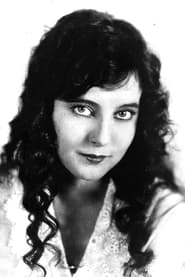
Lottie Pickford
Actor
Born: June 9, 1893 in Toronto, Ontario, Canada Died: December 9, 1936 Active: 1909-1925 Birth Name: Charlotte Smith Pickford
Films
6 films
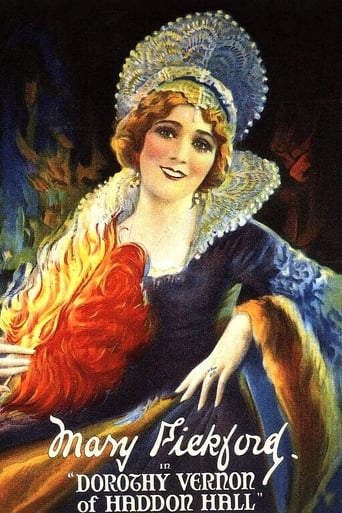
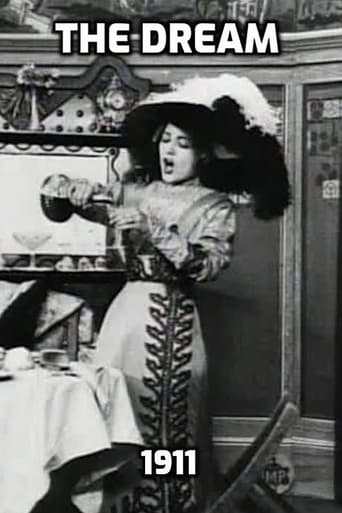
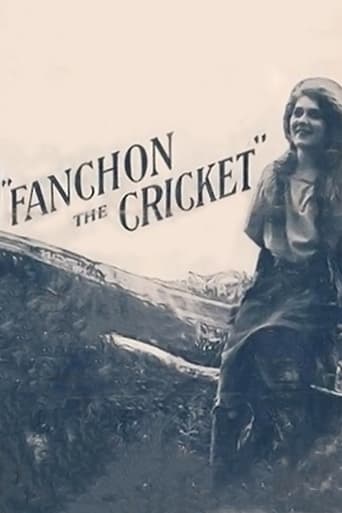
About Lottie Pickford
Lottie Pickford, born Charlotte Smith Pickford, was a Canadian-American actress who flourished during the silent film era as part of Hollywood's most famous acting family. Beginning her career in 1909 at the Biograph Studio, she quickly became a regular in D.W. Griffith's company, often appearing alongside her sister Mary Pickford. Throughout her 16-year career spanning from 1909 to 1925, Lottie appeared in more than 150 films, though she frequently played supporting roles to her more famous siblings. She developed a reputation as a reliable character actress, particularly adept at playing sympathetic friends, sisters, and companions in melodramas and comedies. Despite being overshadowed by her sister's superstardom, Lottie carved out her own niche in early Hollywood, working consistently through the transition years of American cinema. Her career declined as the industry shifted toward feature-length films, and she retired from acting in the mid-1920s. Lottie spent her final years away from the spotlight, dying in 1936 at the age of 43, leaving behind a legacy as an important contributor to early American cinema and as part of cinema's most influential family.
The Craft
On Screen
Lottie Pickford developed a naturalistic acting style typical of the Biograph school, emphasizing subtle emotional expression through gesture and facial expression rather than the theatrical pantomime common in early cinema. Her performances were characterized by a warm, approachable screen presence that made her ideal for sympathetic supporting roles. She excelled at conveying genuine emotion through her eyes and subtle body language, adapting well to the intimate camera work pioneered by D.W. Griffith. While never given the dramatic showcases afforded to her sister Mary, Lottie demonstrated considerable range in her supporting roles, from light comedy to heartfelt melodrama.
Milestones
- Debut in Biograph shorts under D.W. Griffith (1909)
- Regular player in Mary Pickford films
- Appeared in over 150 films during 16-year career
- Transition from one-reel shorts to feature films
- Worked during the foundational years of American cinema
Best Known For
Iconic Roles
Must-See Films
Accolades
Special Recognition
- Part of the Pickford family legacy in Hollywood history
Working Relationships
Worked Often With
Studios
Why They Matter
Impact on Culture
Lottie Pickford's contribution to cinema, while often overshadowed by her sister's monumental legacy, represents the important role of supporting actors in establishing the language of film during its formative years. As part of the Pickford family, she helped demonstrate that acting could be a family profession and that women could have substantial careers in the new medium of motion pictures. Her consistent work during the transition from short films to features helped studios understand the value of reliable character actors in building audience loyalty. The Pickford sisters' professional relationship, with Lottie often playing second fiddle to Mary, illustrated the complex dynamics of family businesses in early Hollywood and set precedents for how family members could work together in the entertainment industry.
Lasting Legacy
Lottie Pickford's legacy is primarily preserved through her connection to one of Hollywood's most influential families and her extensive body of work in early American cinema. While individual films may not be widely remembered today, her performances survive as important examples of the Biograph acting style and the evolution of film acting techniques. Her career trajectory from supporting player in shorts to character actress in features mirrors the broader development of the American film industry. As part of the Pickford family story, she contributes to our understanding of how family dynamics shaped early Hollywood and how the industry created opportunities for multiple family members. Film historians value her work as representative of the countless reliable character actors who formed the backbone of early cinema, even if they never achieved stardom.
Who They Inspired
Lottie Pickford influenced subsequent generations of character actors by demonstrating the value of reliability and versatility in supporting roles. Her ability to work consistently across different types of productions and with various directors showed emerging actors the importance of adaptability in the rapidly changing film industry. While she didn't mentor famous protégés, her professional conduct and steady work ethic served as a model for other actors seeking long-term careers in Hollywood. The Pickford family's success, with Lottie as a contributing member, helped establish the precedent for family entertainment businesses that would become common in Hollywood throughout the 20th century.
Off Screen
Lottie Pickford was the middle child of three acting siblings, born between her famous sister Mary and brother Jack Pickford. The family struggled with poverty in Toronto after their father abandoned them, leading to their mother Charlotte entering them into show business. Lottie married actor Owen Moore in 1915, creating a complex family dynamic as Owen had previously been married to her sister Mary. After divorcing Moore, she married actor Allan Forrest in 1924. Unlike her more famous siblings, Lottie maintained a relatively private personal life and avoided the scandals that often plagued early Hollywood stars. She had no children and spent her later years away from the film industry, living quietly in Los Angeles until her death from a heart attack at age 43.
Education
Limited formal education due to early entry into show business; educated primarily through experience in the theater and early film industry
Family
- Owen Moore (1915-1920)
- Allan Forrest (1924-1936)
Did You Know?
- Was the middle child of three acting Pickford siblings
- Her birth name was Charlotte Smith Pickford
- Appeared in over 150 films but most are now lost
- Married her sister Mary's ex-husband Owen Moore
- Often played the sister or best friend to Mary Pickford's characters
- Was one of the first actors to work regularly with D.W. Griffith
- The Pickford siblings were among the first film actors to achieve genuine celebrity status
- Her mother Charlotte managed all three children's early careers
- Died of a heart attack at age 43
- Never received top billing in her entire career
- Worked during the crucial transition period when American cinema was establishing its artistic language
In Their Own Words
'I never minded playing second to Mary. She was our star, and we were all proud of her.' (paraphrased from interviews)
'In those days, we worked because we had to. There was no time for ego.' (about early Biograph days)
Frequently Asked Questions
Who was Lottie Pickford?
Canadian-American silent film actress active from 1909 to 1925, best known as the sister of Hollywood legend Mary Pickford and as a reliable character with credits in this catalog.
What films is Lottie Pickford best known for?
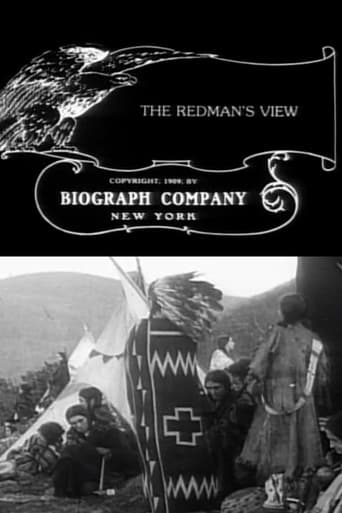
Titles linked here include 1776, or The Hessian Renegades (1909), The Redman's View (1909).
When was Lottie Pickford born and when did she die?
Born June 9, 1893; died December 9, 1936.
What awards did Lottie Pickford win?
Lottie Pickford did not receive major formal awards during her career, as most film awards were established after her retirement, though she is recognized as an important contributor to early cinema history.
What was Lottie Pickford's acting style?
Lottie Pickford employed a naturalistic acting style typical of the Biograph school, using subtle emotional expression and gestures rather than theatrical pantomime, excelling in sympathetic supporting character roles.
How was Lottie Pickford related to Mary Pickford?
Lottie Pickford was Mary Pickford's younger sister, part of the famous Pickford acting family that also included their brother Jack Pickford, all of whom worked in early Hollywood.
Why did Lottie Pickford retire from acting?
Lottie Pickford retired in the mid-1920s as the film industry transitioned to feature-length productions and her opportunities for substantial roles diminished, choosing to step away from the spotlight while still relatively young.