Films
1 film
About Curtis 'Snowball' McHenry
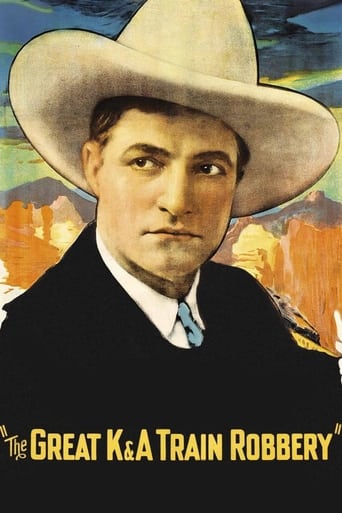
Curtis 'Snowball' McHenry appears in The Great K&A Train Robbery (1926), a Tom Mix Western from Fox. No other credits for him appear in this catalog.
The Craft
Milestones
- Appeared in 'The Great K&A Train Robbery' (1926)
Best Known For
Iconic Roles
Must-See Films
Working Relationships
Worked Often With
Studios
Why They Matter
Impact on Culture
As a minor actor who appeared in only one known film during the silent era, Curtis 'Snowball' McHenry's direct cultural impact was limited. However, his participation in 'The Great K&A Train Robbery' places him within the context of early Hollywood Westerns, a genre that significantly shaped American cinema and cultural identity. The film itself was part of Tom Mix's prolific output that helped establish many conventions of the Western genre that would influence filmmakers for decades. McHenry represents the countless anonymous performers who contributed to the studio system's success during Hollywood's formative years, even if their individual names were forgotten by history.
Lasting Legacy
Curtis 'Snowball' McHenry's legacy is primarily as an example of the many transient actors who populated early Hollywood films. His brief appearance in cinema history serves as a reminder of the vast number of performers who contributed to the magic of silent films but whose names have been lost to time. His single known film credit places him within the important context of 1920s Western cinema, a genre that would become one of America's most enduring contributions to world cinema. While not remembered as a significant figure in film history, McHenry's work represents the collaborative nature of filmmaking and the importance of even the smallest roles in creating memorable cinematic experiences.
Who They Inspired
Given his extremely brief film career with only one known credit, Curtis 'Snowball' McHenry did not have a documented influence on other actors or filmmakers. His story, however, serves as an illustration of the challenging nature of an acting career in early Hollywood, where many performers struggled to achieve lasting recognition. His experience reflects the reality of the silent era, where thousands of actors appeared in films but only a select few achieved lasting fame and influence in the industry.
Off Screen
Very little is documented about Curtis 'Snowball' McHenry's personal life, which is common for many supporting actors from the silent era who had brief film careers.
Did You Know?
- His nickname 'Snowball' may have referred to his physical appearance or a character trait
- Appeared in only one known film during his entire career
- His only film credit was in a Tom Mix Western,
- The Great K&A Train Robbery was produced by Fox Film Corporation in 1926
- Many silent era actors with similar brief careers remain largely undocumented in film history
- His character's role in the film is not specified in surviving documentation
- The film he appeared in was part of the popular train robbery subgenre of Westerns
- 1926 was near the end of the silent era, as 'talkies' would soon revolutionize the industry
Frequently Asked Questions
Who was Curtis 'Snowball' McHenry?
American with credits in this catalog. His career appears to have been limited to this single film, making him one of the many obscure performers from early Hollywood.
What films is Curtis 'Snowball' McHenry best known for?
Titles linked here include The Great K&A Train Robbery (1926).
When was Curtis 'Snowball' McHenry born and when did he die?
Unfortunately, specific birth and death dates for Curtis 'Snowball' McHenry are not documented in available historical records, which is common for many supporting actors from the silent era who had brief careers.
What awards did Curtis 'Snowball' McHenry win?
There are no documented awards or nominations for Curtis 'Snowball' McHenry, which is typical for actors who had very brief careers in early Hollywood and appeared in only one or two films.
What was Curtis 'Snowball' McHenry's acting style?
Due to the lack of documentation about his specific role and performance style, Curtis 'Snowball' McHenry's acting approach cannot be determined from available sources. As a bit player in a silent Western, he likely employed the exaggerated physical acting style common to the era.
Why is Curtis 'Snowball' McHenry considered significant in film history?
While not individually significant, Curtis 'Snowball' McHenry represents the thousands of anonymous performers who contributed to early Hollywood films. His brief career illustrates the transient nature of acting in the silent era and the collaborative effort required to produce the films of that time.