Lewis Seiler
Director
Born: September 30, 1890 in New York City, New York, USA Died: January 8, 1964 Active: 1923-1958 Birth Name: Lewis William Seiler
Films
1 film
About Lewis Seiler
Lewis William Seiler (1890-1964) was an American film director who worked during Hollywood's Golden Age, beginning his career in the silent film era and successfully transitioning to sound pictures. He directed over 80 feature films across three decades, establishing himself as a reliable and efficient filmmaker particularly skilled in genre productions like westerns and crime dramas. Seiler worked primarily for Warner Bros. But also collaborated with other major studios, demonstrating remarkable versatility in handling different types of films. His professional approach and ability to complete projects on schedule and within budget made him a favorite among studio executives. Despite his prolific output and work with major stars, Seiler never achieved the same level of recognition as some of his contemporaries, though his films remain valued by classic cinema enthusiasts. His screen career spanned the early 1920s through the late 1950s, making him one of Hollywood's most consistently working directors of his era.
The Craft
Behind the Camera
Lewis Seiler was known for his efficient, no-nonsense approach to filmmaking with a focus on clear storytelling rather than artistic flourishes. He excelled at genre films, particularly westerns and crime dramas, demonstrating skill in maintaining good pacing and handling action sequences. His directing style was straightforward and unpretentious, allowing him to work effectively within studio constraints while still delivering entertaining films. Seiler was particularly adept at handling ensemble casts and was respected for his ability to bring out solid performances from his actors.
Milestones
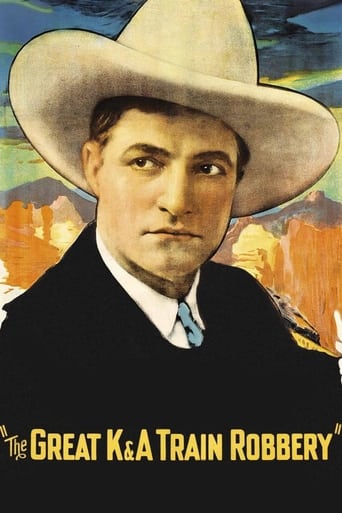
- Directed 'The Great K&A Train Robbery' (1926), a notable silent western
- Successfully transitioned from silent films to talkies
- Directed numerous films for Warner Bros. In the 1930s and 1940s
- Worked with major stars including James Cagney, Humphrey Bogart, and Errol Flynn
- Directed over 80 feature films during his career
- Worked uncredited as additional director on 'Guys and Dolls' (1955)
Best Known For
Must-See Films
Working Relationships
Worked Often With
Studios
Why They Matter
Impact on Culture
Lewis Seiler contributed significantly to the development of genre films, particularly westerns and crime dramas, during Hollywood's Golden Age. His work helped establish many of the conventions and storytelling techniques that would become standard in these genres. While not as celebrated as some of his contemporaries, Seiler's films were popular with audiences of their time and continue to be appreciated by classic film enthusiasts. His ability to work efficiently within the studio system while delivering quality entertainment exemplified the professional approach that characterized Hollywood's golden era, showing how skilled craftspeople were essential to the industry's success even without achieving star status.
Lasting Legacy
Lewis Seiler's legacy lies in his substantial body of work and his contribution to genre filmmaking during Hollywood's golden era. His films, while not always critically acclaimed, were often commercially successful and helped define the look and feel of Hollywood genre films of the 1930s and 1940s. Today, he is remembered by film historians and classic movie enthusiasts as a reliable, professional director who consistently delivered entertaining films across a variety of genres. His work serves as an example of the studio system's ability to produce quality entertainment through skilled craftsmen who may not have achieved auteur status but were essential to Hollywood's success.
Who They Inspired
While not widely studied as an auteur, Lewis Seiler's work influenced the development of genre filmmaking, particularly in the western and crime drama categories. His efficient storytelling techniques and ability to work within studio constraints served as a model for other directors working in the studio system. His films featuring major stars helped establish the star system that dominated Hollywood for decades, and his consistent output demonstrated how professional directors could maintain long careers by adapting to changing times and audience preferences.
Off Screen
Lewis Seiler married actress and screenwriter Kathryn Crawford in 1925, though they divorced in 1933. The couple had two children, including their son William Seiler who followed his father into the film industry as a film editor. Despite his successful career in Hollywood, Seiler maintained a relatively low public profile and was known as a dedicated family man. He was respected by his colleagues for his professionalism and commitment to his craft, never seeking the spotlight but focusing instead on delivering quality work consistently throughout his long career.
Education
Limited information available about his formal education
Family
- Kathryn Crawford (1925-1933)
Did You Know?
- Lewis Seiler directed over 80 feature films during his career, making him one of Hollywood's most prolific directors
- He was the brother of actor and director John Seiler
- 'The Great K&A Train Robbery' (1926) was filmed on location at the actual K&A (Kansas and Arkansas) railroad
- Seiler was known for his ability to complete films on schedule and within budget, making him a favorite of studio executives
- He worked uncredited as an additional director on 'Guys and Dolls' (1955)
- Seiler directed several films featuring Humphrey Bogart before Bogart became a major star
- He was particularly skilled at handling ensemble casts in his films
- Despite his prolific career, Seiler never received an Academy Award nomination for Best Director
- His son William Seiler followed in his footsteps, working as a film editor in Hollywood
- Seiler's active years covered the transition from silent films to talkies, demonstrating his adaptability as a filmmaker
Frequently Asked Questions
Who was Lewis Seiler?
American on YTB.my. He was known for his work in various genres, particularly westerns and crime dramas, and was respected for his efficiency and professionalism within the studio system.
What films is Lewis Seiler best known for?
Titles linked here include The Great K&A Train Robbery (1926), The Big Shot (1942).
When was Lewis Seiler born and when did he die?
Born September 30, 1890; died January 8, 1964.
What awards did Lewis Seiler win?
Despite his prolific career directing over 80 films, Lewis Seiler did not receive major awards or nominations for his work. He was, however, highly respected within the industry for his professionalism and efficiency.
What was Lewis Seiler's directing style?
Lewis Seiler was known for his straightforward, efficient directing style that prioritized clear storytelling over artistic flourishes. He excelled at genre films, particularly westerns and crime dramas, and was skilled at maintaining good pacing and handling action sequences.
How did Lewis Seiler contribute to the development of genre films?
Lewis Seiler helped establish many conventions and techniques in westerns and crime dramas that became standard in these genres. His work exemplified the studio system's approach to creating quality entertainment through skilled craftsmanship rather than auteurist vision.
Did Lewis Seiler work with major Hollywood stars?
Yes, Lewis Seiler worked with many major stars of the Golden Age, including James Cagney, Humphrey Bogart, Errol Flynn, George Brent, and Pat O'Brien. He was particularly known for his collaborations with James Cagney.