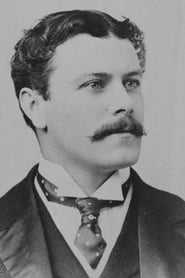
E.J. Ratcliffe
Actor
Born: August 23, 1863 in London, England Died: September 28, 1948 Active: 1915-1936 Birth Name: Edward James Ratcliffe
Films
2 films
About E.J. Ratcliffe
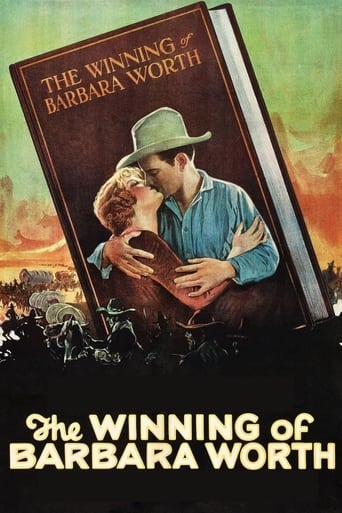
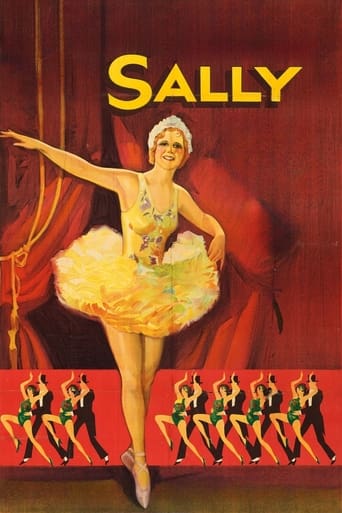
British character actor who successfully transitioned from the Victorian stage to Hollywood's golden age of cinema. Born Edward James Ratcliffe in London in 1863, he began his career in theatrical productions in England, honing his craft on the legitimate stage before making his way to American cinema in the 1910s. His dignified appearance, commanding presence, and refined British accent made him ideal for playing authority figures, aristocrats, judges, doctors, and patriarchs in numerous films throughout the 1920s. Ratcliffe appeared in supporting roles in over 70 films between 1915 and 1936, working with some of the biggest stars and directors of the era, including Rudolph Valentino in 'The Eagle' (1925) and Cecil B. DeMille in 'The Ten Commandments' (1923). As the film industry transitioned from silent films to talkies, Ratcliffe's theatrical background and clear diction helped him adapt successfully to the new medium. His appearances in 'The Winning of Barbara Worth' (1926) and the early musical 'Sally' (1929) showcased his versatility across different genres. Ratcliffe spent his later years in Los Angeles, where he passed away in 1948, leaving behind a legacy of memorable character performances that helped define the supporting roles of early Hollywood cinema.
The Craft
On Screen
Ratcliffe was known for his dignified, authoritative presence and refined theatrical training. He specialized in playing elderly characters and authority figures with gravitas and sophistication. His stage background gave him excellent diction and a commanding screen presence that translated well to both silent and sound films. Ratcliffe's acting style was characterized by subtle facial expressions, precise gestures, and an ability to convey authority and wisdom through minimal movement, making him perfect for judges, aristocrats, doctors, and patriarchs.
Milestones
- Appeared in Cecil B. DeMille's 'The Ten Commandments' (1923)
- Worked with Rudolph Valentino in 'The Eagle' (1925)
- Featured in 'The Winning of Barbara Worth' (1926) starring Gary Cooper
- Appeared in the early musical 'Sally' (1929) with Marilyn Miller
- Successfully transitioned from silent films to talkies
- Appeared in over 70 films during his Hollywood career
Best Known For
Iconic Roles
Must-See Films
Working Relationships
Worked Often With
Studios
Why They Matter
Impact on Culture
E.J. Ratcliffe represents the generation of classically trained British actors who brought theatrical gravitas to early Hollywood cinema. As a character actor during the transitional period from silent films to talkies, he exemplified how stage-trained performers could adapt to and enrich the new medium of film. His consistent portrayal of authority figures helped establish archetypal characters that would become staples of Hollywood cinema. Ratcliffe's career demonstrates the important role that supporting actors played in creating the Golden Age films, providing credibility and depth to the worlds created by directors.
Lasting Legacy
E.J. Ratcliffe's legacy lies in his contribution to the foundation of character acting in Hollywood. Though not a household name like the stars he supported, his performances in over 70 films helped establish the importance of skilled supporting actors in creating believable and immersive cinematic worlds. His successful transition from silent films to talkies demonstrated the value of theatrical training in early cinema, and his dignified portrayals of authority figures created templates that future character actors would follow. Ratcliffe is remembered by film historians as one of the many skilled professionals who formed the backbone of Hollywood's golden age.
Who They Inspired
While E.J. Ratcliffe did not mentor specific individuals who became famous, his work influenced the development of character acting as a respected profession in Hollywood. His ability to bring depth and authenticity to supporting roles demonstrated the importance of skilled performers in films beyond the leading stars. The professional approach and technical skill he brought to his craft, honed through years of stage experience, set standards for future generations of character actors who would follow in his footsteps during Hollywood's golden age.
Off Screen
E.J. Ratcliffe was born and raised in London, England, where he received his theatrical training before emigrating to the United States to pursue opportunities in the burgeoning film industry. He married and settled in Los Angeles, where he lived for the remainder of his life. Despite his extensive film career, Ratcliffe remained a private individual who preferred to focus on his craft rather than seek publicity. He was respected among his peers for his professionalism and dedication to the art of acting.
Education
Theatrical training in England, specific institutions not documented
Family
- Information not publicly documented
Did You Know?
- Born in the same year as the American Civil War ended (1863)
- Began his film career at age 52, relatively late for an actor
- Appeared in both 'The Ten Commandments' (1923) and the 1956 remake's era of Hollywood
- Worked with silent film superstar Rudolph Valentino in 'The Eagle' (1925)
- Successfully made the transition from silent films to talkies, unlike many of his contemporaries
- Often played characters much older than his actual age
- Was part of the large community of British actors who found success in Hollywood
- His active years covered the entire silent era and into the sound period
- Appeared in films with some of the biggest stars of his era, including Gary Cooper and Marilyn Miller
- Died in Los Angeles, having spent over three decades in the American film industry
In Their Own Words
No widely documented quotes from E.J. Ratcliffe are available in historical records
Frequently Asked Questions
Who was E.J. Ratcliffe?
Screen credits include over 70 films during Hollywood's silent era and early sound period. Born in London in 1863, he was known for playing authority figures, aristocrats, and dignified elderly characters in films from 1915 to 1936.
What films is E.J. Ratcliffe best known for?
Titles linked here include The Winning of Barbara Worth (1926), Sally (1929).
When was E.J. Ratcliffe born and when did he die?
Born August 23, 1863; died September 28, 1948.
What awards did E.J. Ratcliffe win?
E.J. Ratcliffe did not receive any major documented awards during his career, which was common for character actors of his era. His recognition came through consistent work and respect from his peers in the film industry.
What was E.J. Ratcliffe's acting style?
E.J. Ratcliffe's acting style was characterized by dignity, authority, and theatrical refinement. He specialized in playing elderly characters and authority figures with gravitas, using his stage training to deliver performances with precise gestures and subtle facial expressions that conveyed wisdom and status.