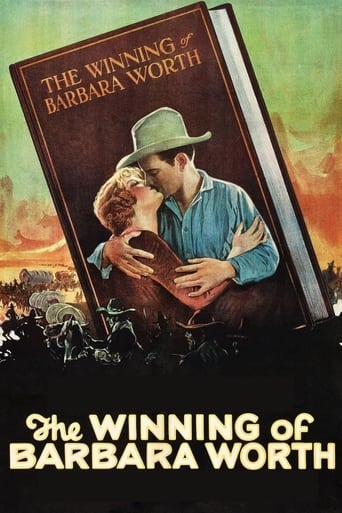
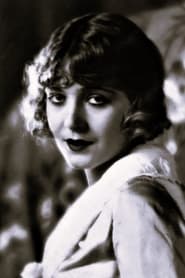
Vilma Banky
Actor
Born: January 9, 1898 in Nagydorog, Austria-Hungary (now Hungary) Died: March 18, 1991 Active: 1918-1930 Birth Name: Vilma Koncsics
Films
4 films
About Vilma Banky
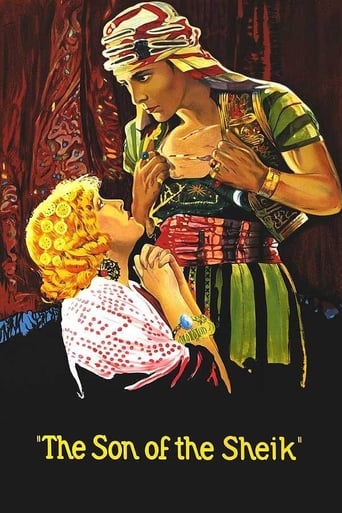
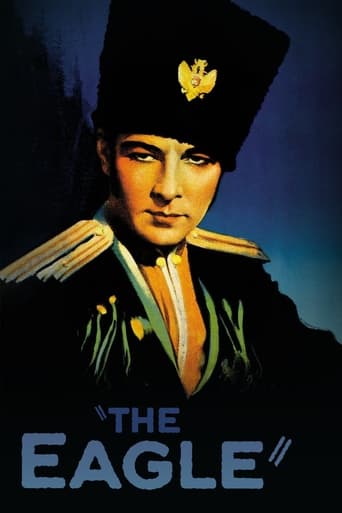
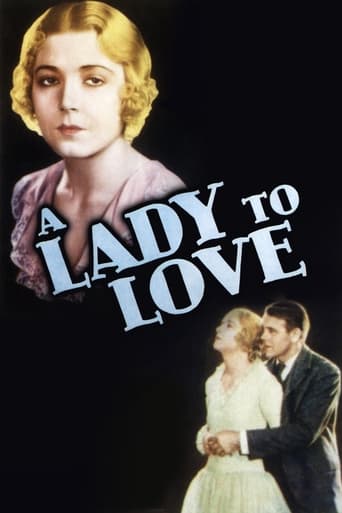
Vilma Banky, born Vilma Koncsics, was discovered working as a bank clerk in Budapest and rose to become actresses of the silent era. After appearing in several Hungarian and German films, she was brought to Hollywood by producer Samuel Goldwyn in 1925, who marketed her as 'The Hungarian Rhapsody' due to her exotic beauty and European sophistication. Her breakthrough came with starring roles opposite Rudolph Valentino in 'The Eagle' (1925) and 'The Son of the Sheik' (1926), which established her as a major box office draw. Throughout the late 1920s, she appeared in numerous successful romantic dramas, often playing sophisticated European women of mystery and passion. Her career faced significant challenges with the transition to sound films, as her thick Hungarian accent limited her roles in talkies. After a few sound films including 'A Lady to Love' (1930), she largely retired from acting, though she made occasional appearances. She spent her later years as a philanthropist and socialite in Los Angeles, maintaining her status as a beloved figure from Hollywood's golden age until her death in 1991.
The Craft
On Screen
Banky was known for her subtle, expressive performances that relied heavily on her striking facial features and emotive eyes rather than exaggerated gestures typical of many silent actors. She brought a sophisticated European sensibility to her roles, often portraying women of mystery, passion, and refinement. Her acting style emphasized naturalistic emotions and understated gestures, making her particularly effective in romantic dramas. She had a remarkable ability to convey complex emotions through subtle expressions, which made her perfect for close-ups and intimate scenes.
Milestones
- Discovered by film producer while working as a bank clerk in Budapest
- Brought to Hollywood by Samuel Goldwyn in 1925
- Starred opposite Rudolph Valentino in 'The Eagle' (1925)
- Appeared in Valentino's final film 'The Son of the Sheik' (1926)
- Became one of the highest-paid actresses of the silent era
- Successfully transitioned from European to American cinema
- Retired from films after the transition to sound
Best Known For
Iconic Roles
Must-See Films
Accolades
Special Recognition
- Hollywood Walk of Fame star at 7021 Hollywood Boulevard
- One of WAMPAS Baby Stars of 1926
Working Relationships
Worked Often With
Studios
Why They Matter
Impact on Culture
Vilma Banky represented the sophisticated European woman archetype that fascinated American audiences during the 1920s. Her success helped pave the way for other European actresses in Hollywood and contributed to the internationalization of American cinema during the silent era. She embodied the exotic glamour that characterized the Jazz Age, and her films often explored themes of cultural differences and romantic passion across national boundaries. Banky's popularity demonstrated that American audiences were eager for diverse cultural perspectives, even in mainstream entertainment. Her career trajectory also illustrated the challenges that foreign-born actors faced with the advent of sound technology.
Lasting Legacy
Vilma Banky remains remembered as one of the great beauties and talented actresses of the silent era, particularly for her memorable collaborations with Rudolph Valentino. Her films are studied today as examples of sophisticated silent cinema and the transition period between European and American film styles. Despite her relatively short career span, she left an indelible mark on Hollywood history as. Her story serves as a reminder of both the opportunities and limitations faced by international stars in early Hollywood. Banky's preserved films continue to be shown at silent film festivals and retrospectives, introducing new generations to her talent and screen presence.
Who They Inspired
Banky influenced subsequent generations of European actresses in Hollywood by demonstrating that foreign-born performers could achieve major stardom in American cinema. Her naturalistic acting style influenced the move away from the exaggerated pantomime common in early silent films toward more subtle, emotionally nuanced performances. She helped establish the template for the exotic, sophisticated European leading lady that would be emulated by actresses like Greta Garbo and Marlene Dietrich. Her successful transition from European cinema to Hollywood also inspired other international performers to seek opportunities in the American film industry.
Off Screen
Vilma Banky married fellow actor Rod La Rocque in 1927, and their marriage lasted until his death in 1969. The couple was considered one of Hollywood's most glamorous pairs during the late 1920s. They had no children but were known for their lavish lifestyle and numerous philanthropic activities. After retiring from films, Banky devoted herself to social work and charitable causes, particularly supporting Hungarian refugees during World War II. She remained a beloved figure in Hollywood society, attending film events and maintaining friendships with many silent era colleagues until her death.
Education
Limited formal education; attended school in Nagydorog, Hungary before working as a bank clerk
Family
- Rod La Rocque (1927-1969)
Did You Know?
- Was nicknamed 'The Hungarian Rhapsody' by Samuel Goldwyn
- Her birth year is disputed, with some sources listing 1898 and others 1901
- She was discovered when film producer Alexander Korda saw her portrait in a photographer's window
- Her thick Hungarian accent was one reason her career declined with the advent of sound films
- She was one of the highest-paid actresses in Hollywood by 1927, earning $7,500 per week
- Her final film with Valentino, 'The Son of the Sheik,' was released after his death and became a massive box office success
- She was fluent in Hungarian, German, French, and English
- After retiring, she became a successful real estate investor in Los Angeles
- She maintained a lifelong friendship with fellow Hungarian actress Zsa Zsa Gabor
- Her Hollywood Walk of Fame star was dedicated in 1960
In Their Own Words
In silent pictures, you had to use your eyes. Your eyes did the acting.
Hollywood was a fairy tale, and I was lucky to be part of it.
Working with Valentino was like dancing with electricity - you could feel the magic through the camera.
The transition to sound was difficult for many of us. Our voices didn't always match our images.
Frequently Asked Questions
Who was Vilma Banky?
Hungarian-born actress who became. She was particularly famous for her roles opposite Rudolph Valentino and was known as 'The Hungarian Rhapsody' for her exotic beauty and sophisticated screen presence.
What films is Vilma Banky best known for?
Titles linked here include The Eagle (1925), The Son of the Sheik (1926).
When was Vilma Banky born and when did she die?
Born January 9, 1898; died March 18, 1991.
What awards did Vilma Banky win?
While Vilma Banky didn't receive major acting awards during her career, she was honored with a star on the Hollywood Walk of Fame and was named one of the WAMPAS Baby Stars of 1926, recognizing her as.
What was Vilma Banky's acting style?
Banky was known for her subtle and naturalistic acting style, relying on expressive eyes and nuanced facial expressions rather than the exaggerated gestures common in silent films. She brought sophistication and emotional depth to her roles, particularly excelling in romantic dramas that required subtle emotional conveyance.
Why did Vilma Banky's career end?
Banky's career largely ended with the transition to sound films due to her thick Hungarian accent, which limited her casting opportunities in talkies. After appearing in a few sound films, she chose to retire from acting and focus on her marriage to Rod La Rocque and philanthropic work.
What was Vilma Banky's relationship with Rudolph Valentino?
Banky starred in two of Valentino's most famous films, 'The Eagle' and 'The Son of the Sheik.' Their on-screen chemistry was widely praised, and 'The Son of the Sheik' became Valentino's final film, released after his death. Their professional partnership helped cement both actors' places in cinema history.