
Harry Stubbs
Actor
Born: November 12, 1882 in New York City, New York, USA Died: July 17, 1955 Active: 1914-1934
Films
2 films
About Harry Stubbs
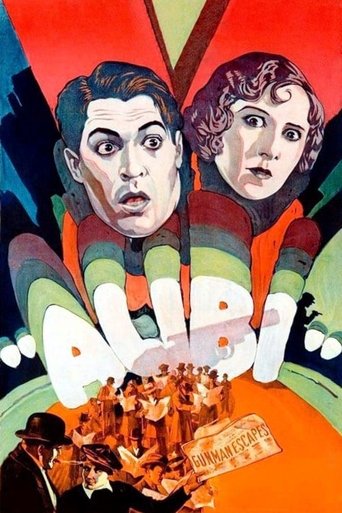
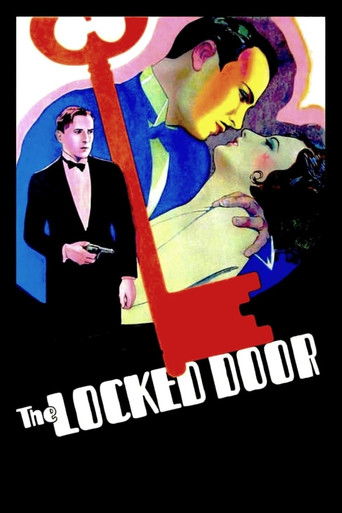
American character actor: the silent era into the early sound period of Hollywood cinema. Born in New York City in 1882, he began his film career during the mid-1910s, appearing in numerous silent shorts and features throughout the 1910s and 1920s. Stubbs established himself as a reliable supporting actor, often cast as authority figures, businessmen, or providing comic relief in films of various genres. His career reached a notable peak in 1929 when he appeared in two important early talkies, 'Alibi' and 'The Locked Door,' both directed by Roland West, demonstrating his ability to successfully transition from silent to sound films. Throughout his career, which encompassed over 100 film appearances, Stubbs worked with many of the prominent directors and stars of his era, though he never achieved leading man status. He continued acting through the early 1930s before gradually reducing his film appearances as the studio system solidified and newer character actors emerged. Harry Stubbs passed away in Los Angeles in 1955, leaving behind a legacy as one of the dependable supporting players who helped populate the films of early Hollywood.
The Craft
On Screen
Versatile character with credits in this catalog. His acting style was grounded and realistic, which served him well in the transition from silent to sound films. In silent films, he relied on expressive gestures and facial features to convey emotion and character, while in talkies, his clear diction and natural delivery made him valuable in supporting roles. Stubbs had particular skill in portraying authority figures with both gravitas and subtle humor, making him a favorite among directors for roles as police officers, businessmen, and officials. His approach was professional and dependable, never overshadowing the lead actors but always providing solid support to the main narrative.
Milestones
- Appeared in over 100 films during his 20-year career
- Successfully transitioned from silent films to talkies
- Featured in two notable early sound films in 1929
- Worked with prominent director Roland West
- Established himself as a reliable character actor in both dramatic and comic roles
Best Known For
Iconic Roles
Must-See Films
Working Relationships
Worked Often With
Studios
Why They Matter
Impact on Culture
Harry Stubbs represents the essential but often overlooked character actors who formed the backbone of early Hollywood cinema. While never achieving star status, his contributions to the transition from silent to sound films exemplify the adaptability required of actors during this revolutionary period in film history. His appearances in early talkies like 'Alibi' and 'The Locked Door' helped demonstrate how character actors could successfully navigate the new demands of sound cinema. As part of Roland West's ensemble casts, Stubbs contributed to films that were technically and artistically significant in the early sound era. His career trajectory, from supporting roles in silent films to continued employment in early talkies, illustrates the professional journey of many working actors of his generation who helped populate the expanding world of American cinema.
Lasting Legacy
Harry Stubbs' legacy lies in his representation of the professional character actors who provided essential support to the stars and stories of early Hollywood. While his name may not be widely recognized today, his work in over 100 films contributed to the American cinema during its formative years. His successful transition from silent to sound films serves as an example of the adaptability required during this pivotal period in film history. Film historians and classic cinema enthusiasts recognize actors like Stubbs as crucial elements in the ecosystem of early Hollywood, where reliable supporting talent was as essential as leading stars to the success of film productions. His performances in historically significant early talkies ensure his place in the archival record of American cinema.
Who They Inspired
As a supporting character actor, Harry Stubbs' influence was primarily through his work rather than through direct mentorship or artistic innovation. His professional approach to acting and his ability to adapt to new technologies provided a model for other character actors navigating the transition from silent to sound films. By consistently delivering solid performances in both mediums, he helped establish standards for reliability and versatility that would become increasingly valuable as the studio system developed. His work in early sound films contributed to the development of techniques for supporting actors in talkies, demonstrating how character performers could enhance rather than detract from the new audio dimension of cinema.
Off Screen
Harry Stubbs maintained a relatively private personal life away from the Hollywood spotlight. Born and raised in New York City, he eventually moved to Los Angeles to pursue his film career as the industry migrated west. Like many character actors of his era, he focused primarily on his craft rather than cultivating a public persona. He spent his final years in Los Angeles, where he passed away in 1955 at the age of 72. Details about his family life, relationships, or activities outside of acting remain largely undocumented in historical records.
Did You Know?
- Appeared in over 100 films during his career but was rarely credited
- Both of his 1929 films were directed by Roland West
- Played detective or law enforcement roles in multiple films
- Was part of the transition generation of actors who worked in both silent and sound films
- His film career coincided with the complete transformation of the film industry
- Never achieved leading man status but maintained steady employment for two decades
- Like many character actors of his era, often played multiple roles in the same film
- His work in early talkies demonstrated the importance of clear diction for sound films
- Appeared in films for multiple major studios rather than being under exclusive contract
- His career ended just as the Hollywood studio system was reaching its peak
Frequently Asked Questions
Who was Harry Stubbs?
American character with credits in this catalog. He was known for his reliable supporting performances, often playing authority figures and comic relief roles.
What films is Harry Stubbs best known for?
Titles linked here include Alibi (1929), The Locked Door (1929).
When was Harry Stubbs born and when did he die?
Born November 12, 1882; died July 17, 1955.
What awards did Harry Stubbs win?
Harry Stubbs did not receive any major formal awards or nominations during his career, which was common for character actors of his era. His recognition came through consistent employment and the respect of directors and fellow actors.
What was Harry Stubbs' acting style?
Harry Stubbs was known for his naturalistic and versatile acting style, with particular skill in portraying authority figures. His approach was grounded and realistic, which served him well in both silent and sound films, where he provided reliable support to lead actors.