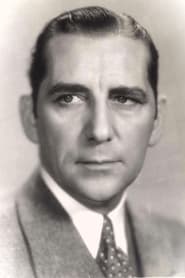
William 'Stage' Boyd
Actor
Born: June 22, 1889 in Cambridge, Ohio, USA Died: March 13, 1935 Active: 1925-1935 Birth Name: William Boyd
Films
4 films
About William 'Stage' Boyd
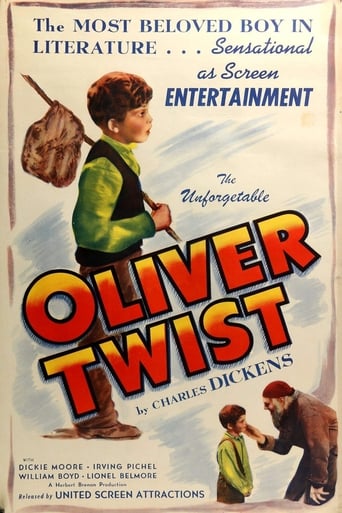
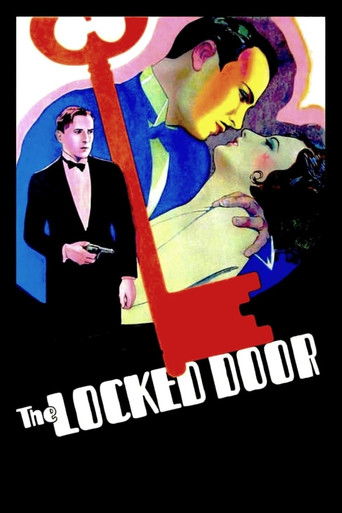
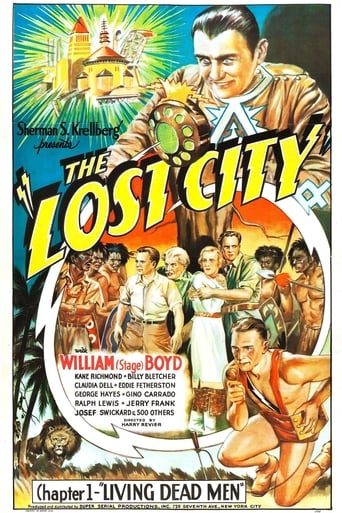
American character actor who carved out a niche in early sound cinema during the transitional period from silent films to talkies. Born in the late 19th century, he adopted the nickname 'Stage' to distinguish himself from the more famous William Boyd, who would later become as Hopalong Cassidy. Boyd's career peaked during the early sound era, where he appeared in numerous supporting roles in films like The Locked Door (1929), one of the early talkies that helped establish the new medium. He demonstrated particular skill in portraying villainous or morally ambiguous characters, which made him a valuable character actor during Hollywood's formative sound years. His performance as Bill Sikes in the 1933 adaptation of Oliver Twist showcased his ability to bring literary antagonists to life on screen. Boyd also found work in serial films, including The Lost City (1935), which was typical of the chapter-play format popular during the Depression era. Despite his talent and consistent work, his career was hampered by the constant confusion with his namesake, and he never achieved the stardom that his abilities might have otherwise afforded him in the competitive Hollywood landscape of the 1930s.
The Craft
On Screen
Boyd specialized in playing tough, often villainous characters with a commanding presence and distinctive voice that suited the new sound medium. His theatrical background gave him a strong stage presence that translated well to early sound films, where he excelled at portraying menacing or morally ambiguous figures.
Milestones
- Breakthrough role in The Locked Door (1929)
- Memorable performance as Bill Sikes in Oliver Twist (1933)
- Lead role in The Lost City serial (1935)
- Consistent work as a character actor in early talkies
Best Known For
Iconic Roles
Must-See Films
Working Relationships
Worked Often With
Studios
Why They Matter
Impact on Culture
William 'Stage' Boyd represents the archetype of the reliable character actor who helped populate early sound cinema with memorable performances. His work during the crucial transition from silent to sound films contributed to establishing the vocabulary of film acting in the talkie era. His portrayal of classic literary characters like Bill Sikes helped bring beloved stories to life for movie audiences during the Golden Age's formative years.
Lasting Legacy
Though largely forgotten today, Boyd's body of work serves as an important record of early sound cinema and the challenges faced by character actors during Hollywood's formative years. His career illustrates the difficulties of establishing a unique identity in the crowded Hollywood landscape, especially when sharing a name with a more famous contemporary. His performances survive as examples of early sound acting techniques and the transition from theatrical to film performance styles.
Who They Inspired
Boyd's approach to character acting influenced subsequent generations of performers who specialized in supporting roles, particularly those playing antagonists. His ability to create memorable characters within the constraints of early sound technology demonstrated the possibilities of nuanced performance in the new medium.
Off Screen
William 'Stage' Boyd's personal life was marked by his struggle to establish a distinct identity in Hollywood despite sharing his name with a more famous actor. He married actress Ruth Taylor in 1927, though the marriage eventually ended in divorce. Boyd was known for his professionalism on set and his dedication to his craft, even as he faced typecasting in villainous roles. His health began to decline in the mid-1930s, contributing to his untimely death at the age of 45.
Education
Limited formal education, trained through practical experience in stock theater and vaudeville circuits
Family
- Ruth Taylor (1927-1930)
Did You Know?
- Adopted the nickname 'Stage' to distinguish himself from William Boyd (Hopalong Cassidy)
- His career was significantly impacted by audience confusion with the other William Boyd
- Died of cancer at age 45, cutting short a promising career
- The Lost City (1935) was released posthumously
- Began his career in vaudeville before transitioning to films
- Was particularly effective in roles that required a menacing presence
- His voice was well-suited to early sound recording technology
- Often played characters much older than his actual age
- Worked consistently through the Great Depression when many actors struggled
- His marriage to Ruth Taylor connected him to Hollywood's silent film legacy
In Their Own Words
The stage taught me everything I needed to know about timing and presence, but the camera taught me about subtlety.
Frequently Asked Questions
Who was William 'Stage' Boyd?
American character with credits in this catalog. He adopted the nickname 'Stage' to distinguish himself from the more famous William Boyd who played Hopalong Cassidy.
What films is William 'Stage' Boyd best known for?
Titles linked here include The Locked Door (1929), Oliver Twist (1933).
When was William 'Stage' Boyd born and when did he die?
Born June 22, 1889; died March 13, 1935.
What awards did William 'Stage' Boyd win?
William 'Stage' Boyd did not receive any major awards or nominations during his career, which was common for character actors of his era. His contributions were primarily in supporting roles that helped establish early sound cinema.
What was William 'Stage' Boyd's acting style?
Boyd specialized in portraying tough, villainous characters with a commanding presence and distinctive voice well-suited to early sound films. His theatrical background gave him strong stage presence, and he excelled at creating menacing, morally ambiguous characters that became his trademark.