
Purnell Pratt
Actor
Born: October 20, 1875 in Bethel, Missouri, USA Died: July 25, 1941 Active: 1914-1937
Films
6 films
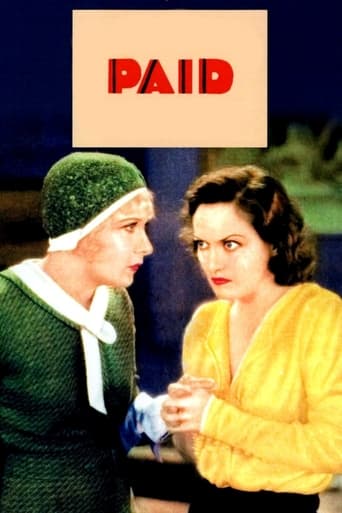
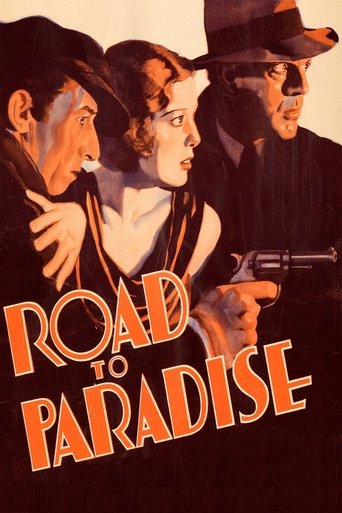
About Purnell Pratt
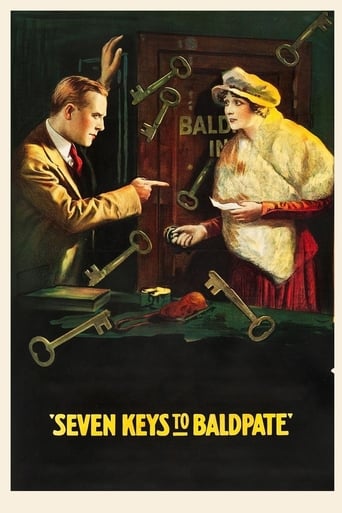
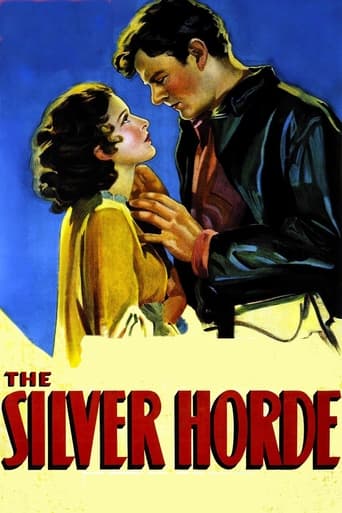
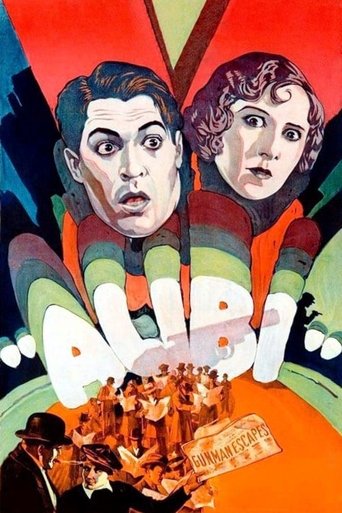
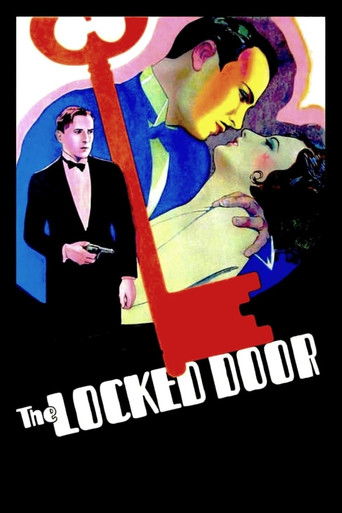
Made his mark during the transitional period from silent films to early sound cinema. Beginning his career in the mid-1910s, Pratt quickly established himself as a reliable character actor, appearing in numerous productions throughout the late silent era. His work in films like 'Seven Keys to Baldpate' (1917) demonstrated his ability to adapt to the evolving demands of cinematic storytelling. As the industry transitioned to sound, Pratt successfully made the leap, appearing in early talkies such as 'Alibi' (1929) and 'The Locked Door' (1929), showcasing his versatility across both mediums. His performances often portrayed authoritative or professional figures, lending credibility to the productions in which he appeared. Pratt's career, while primarily concentrated in the 1920s and early 1930s, reflected the rapid technological and artistic changes occurring in Hollywood during this pivotal period. His filmography includes work with some of the era's notable studios and directors, contributing to the foundation of early American cinema.
The Craft
On Screen
Pratt was known for his naturalistic approach to acting, particularly valuable during the transition to sound films. His stage background contributed to his clear diction and projection, making him well-suited for early talkies. He often portrayed authoritative figures, professionals, or characters requiring gravitas and reliability. His acting style was more restrained than many of his silent-era contemporaries, which helped him adapt to the more subtle demands of sound cinema.
Milestones
- Appeared in the early silent film Seven Keys to Baldpate (1917)
- Successfully transitioned from silent films to talkies
- Starred in early sound films including Alibi (1929) and The Locked Door (1929)
- Appeared in The Silver Horde (1930) during the early sound era
- Worked consistently through the silent and early sound periods
Best Known For
Iconic Roles
Must-See Films
Working Relationships
Worked Often With
Studios
Why They Matter
Impact on Culture
Purnell Pratt's active years covered. His successful transition to talkies demonstrated the adaptability required of actors during this technological revolution. While not a major star, Pratt's consistent work ethic and reliability made him a valuable supporting player in numerous productions, contributing to the overall quality and professionalism of early American cinema. His performances in early sound films helped establish conventions for acting in the new medium, particularly in terms of vocal delivery and naturalistic expression.
Lasting Legacy
Purnell Pratt's legacy lies in his representation of the working character actors who formed the backbone of early Hollywood cinema. His career exemplifies the journey of countless performers who navigated the challenging transition from silent to sound films. While not remembered as a major star, his contributions to over 100 films throughout his career helped shape the landscape of American cinema during its formative years. His work shows the importance of supporting actors in creating rich, believable cinematic worlds during the early decades of filmmaking.
Who They Inspired
As a character actor who successfully made the transition to sound, Pratt served as an example for other actors facing the same technological challenges. His naturalistic acting style and clear diction in early talkies demonstrated the skills necessary for success in sound cinema. While he didn't mentor specific individuals who went on to major fame, his professional approach and adaptability influenced the standards of performance during this transitional period in film history.
Off Screen
Purnell Pratt maintained a relatively private personal life away from the Hollywood spotlight. He was married to actress Pauline Garon, with whom he shared both personal and professional connections during their time in the film industry. Their marriage represented one of the many partnerships formed within the close-knit Hollywood community of the 1920s and 1930s. Pratt's later years were spent away from the film industry, having retired from acting before his death in 1941 at the age of 65.
Family
- Pauline Garon (1931-1941)
Did You Know?
- Appeared in over 100 films during his career
- Successfully transitioned from silent films to talkies
- Married actress Pauline Garon in 1931
- Began his film career relatively late in his late 30s
- Often played authority figures and professional roles
- Worked with major studios including Paramount and Warner Bros.
- His career coincided with the complete technological transformation of cinema
- Retired from acting several years before his death
- Was part of the generation of actors who had to completely relearn their craft for sound films
- His filmography includes both silent classics and early sound experiments
Frequently Asked Questions
Who was Purnell Pratt?
American with credits in this catalog. He was known for his character roles and successfully made the transition from silent to sound films.
What films is Purnell Pratt best known for?
Titles linked here include Seven Keys to Baldpate (1917), Alibi (1929).
When was Purnell Pratt born and when did he die?
Born October 20, 1875; died July 25, 1941.
What awards did Purnell Pratt win?
There are no recorded major awards or nominations for Purnell Pratt, which was common for character actors of his era who often worked without formal recognition despite their significant contributions to films.
What was Purnell Pratt's acting style?
Pratt was known for his naturalistic acting style and clear diction, which made him particularly suited for early sound films. He often portrayed authority figures and professional characters with a restrained, believable approach.
How did Purnell Pratt contribute to early cinema?
Pratt contributed to early cinema as one of the many reliable character actors who formed the foundation of Hollywood films. His successful transition from silent to sound films demonstrated the adaptability required during this technological revolution.
Was Purnell Pratt married?
Yes, Purnell Pratt was married to actress Pauline Garon from 1931 until his death in 1941. Their marriage connected two working actors in the Hollywood community of the 1930s.
When did Purnell Pratt retire from acting?
Pratt retired from acting around 1937, several years before his death in 1941. His active years covered over two decades, covering both the silent era and early sound period.