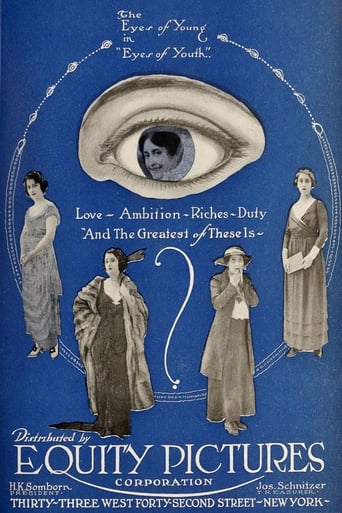
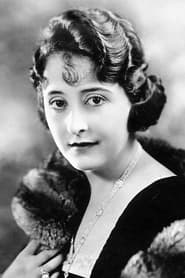
Clara Kimball Young
Actor
Born: September 6, 1890 in Chicago, Illinois, USA Died: October 15, 1960 Active: 1911-1936 Birth Name: Clara Pauline Kimball
Films
6 films

About Clara Kimball Young
American actress who rose to become popular and highly-paid stars of the silent film era. Born in Chicago in 1890, she began her career with Vitagraph Studios in the early 1910s and quickly ascended to stardom through her naturalistic acting style and sophisticated screen presence. Young was particularly renowned for her roles in melodramas and society dramas, often portraying strong, independent female characters that resonated with modern audiences of the 1910s and 1920s. In 1917, she demonstrated remarkable business acumen by forming her own production company, the Clara Kimball Young Film Corporation, making her one of the first female stars to take creative and financial control of her career. Her peak years spanned the late 1910s through the mid-1920s, during which she appeared in over 150 films and commanded salaries of up to $1,000 per week. Young successfully navigated the challenging transition to sound films in the early 1930s, though her stardom had somewhat diminished by this time. She retired from acting in 1936 after a 25-year career that spanned the entire evolution of early American cinema from its primitive beginnings to sophisticated sound productions.
The Craft
On Screen
Clara Kimball Young was celebrated for her naturalistic acting style, which was notably ahead of its time in the silent era. Unlike many of her contemporaries who relied on exaggerated theatrical gestures, Young employed subtle, restrained performances that brought remarkable authenticity to her roles. Her expressive eyes and nuanced facial expressions allowed her to convey complex emotions effectively without dialogue, making her particularly adept at portraying sophisticated, modern women with depth and intelligence. Critics praised her ability to underplay dramatic moments while still maintaining emotional impact, a technique that would become standard in later cinema but was revolutionary during her peak years.
Milestones
- Starred in over 150 films during her 25-year career
- Formed her own production company in 1917, female entrepreneurship in Hollywood
- One of the highest-paid actresses of the 1910s, earning up to $1,000 per week
- Successfully transitioned from silent films to talkies
- Won a landmark lawsuit against Vitagraph Studios for breach of contract
- Appeared in both silent and sound versions of several films
- Worked with major studios including Vitagraph, Fox, Universal, and Columbia
Best Known For
Iconic Roles
Must-See Films
Accolades
Won
- Hollywood Walk of Fame star (Motion Pictures)
Special Recognition
- Star on the Hollywood Walk of Fame at 6513 Hollywood Boulevard
- Recognized as one of the top box office draws of the 1910s by film industry publications
- Honored by film societies for her contributions to early cinema
Working Relationships
Worked Often With
Studios
Why They Matter
Impact on Culture
Clara Kimball Young represented the emergence of the modern, independent woman both on screen and behind the scenes in early Hollywood. Her formation of her own production company in 1917 was groundbreaking, establishing her as one of the first female stars to achieve creative and financial control over her career at a time when such autonomy was rare for women in the film industry. Young's naturalistic acting style contributed significantly to the evolution of film performance, helping to move cinema away from theatrical conventions toward more realistic and subtle expression. Her portrayals of sophisticated, intelligent women challenged contemporary gender norms and provided early cinema audiences with progressive female role models. Additionally, her successful lawsuit against Vitagraph Studios set important legal precedents regarding performer rights and studio contracts.
Lasting Legacy
Clara Kimball Young's legacy lies in her role as both a performer and entrepreneur during the formative years of American cinema. Though largely forgotten by contemporary audiences, she was instrumental in establishing the archetype of the sophisticated, independent female protagonist in silent film melodramas. Her career trajectory, from telephone operator to one of Hollywood's highest-paid stars, exemplified the mobility and opportunity that characterized the early film industry. Young's successful navigation of the transition from silent to sound films demonstrated remarkable adaptability, while her business ventures, particularly her production company, paved the way for future generations of female filmmakers and entrepreneurs in Hollywood. Her films remain valuable artifacts for understanding the evolution of acting techniques and narrative styles in early American cinema.
Who They Inspired
Young influenced subsequent generations of actors through her naturalistic performance style, which helped establish a more realistic approach to film acting. Her success as an independent producer inspired later actresses to seek greater control over their careers and projects. The legal precedents set by her contract disputes benefited countless performers who followed. Her sophisticated screen persona contributed to the development of the modern female character type in American cinema, influencing how women were portrayed in films for decades to come.
Off Screen
Clara Kimball Young's personal life was marked by both professional success and personal challenges. She married director James Young in 1915, and the couple collaborated on several films before their highly publicized divorce in 1922, which generated significant press coverage. In 1934, she married Dr. Arthur L. Fauman, a physician, with whom she remained until her death. Unlike many of her contemporaries, Young maintained a relatively private personal life and had no children. Her mother, Pauline Kimball, was also an actress and appeared in several of her films, creating a rare mother-daughter acting partnership in early cinema.
Education
Standard education for the period; likely attended local schools in Chicago and may have taken acting classes to prepare for her career
Family
- James Young (1915-1922)
- Dr. Arthur L. Fauman (1934-1960)
Did You Know?
- Discovered while working as a telephone operator
- One of the first actresses to earn $1,000 per week
- Formed her own production company in 1917, giving her unprecedented creative control
- Successfully sued Vitagraph Studios for breach of contract, setting an important legal precedent
- Her mother Pauline Kimball was also an actress and appeared in several of her films
- Was a popular subject for postcards and collectibles during her peak years
- Known for her elaborate and expensive wardrobe, often designing her own costumes
- Appeared in both silent and sound versions of some of her films
- Her 1922 divorce from James Young was major Hollywood gossip
- Retired from acting in 1936 and lived quietly until her death in 1960
- Was one of the few silent stars to successfully transition to sound films
- Her films were often distributed internationally, making her popular in Europe and Asia
In Their Own Words
I believe in making the most of every opportunity, for in this business, fame is fleeting.
The camera is a truth-teller. It knows when you're faking emotion.
A woman in this business must be twice as good as a man to get half the recognition.
Silent films taught me the art of expression without words - a skill that serves me well even with sound.
I formed my own company not because I wanted to be a businesswoman, but because I wanted to be an artist with control over my art.
Frequently Asked Questions
Who was Clara Kimball Young?
Prominent American actress who rose to stardom during the silent film era, becoming one of the highest-paid actresses of the 1910s and 1920s. She appeared in over 150 films and was known for her naturalistic acting style and sophisticated roles, as well as being one of the first female stars to form her own production company.
What films is Clara Kimball Young best known for?
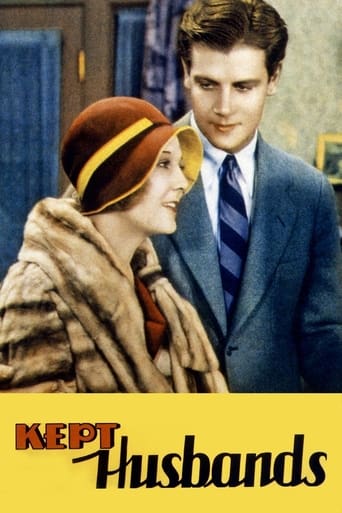
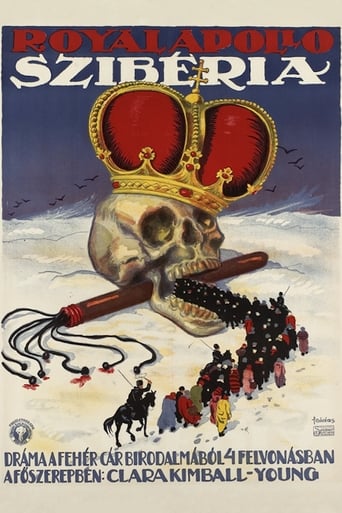
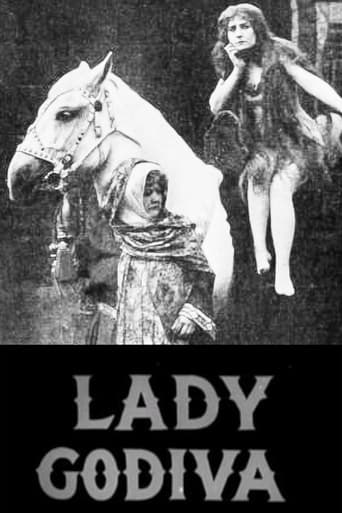
Titles linked here include Lady Godiva (1911), Hearts in Exile (1915).
When was Clara Kimball Young born and when did she die?
Born September 6, 1890; died October 15, 1960.
What awards did Clara Kimball Young win?
While specific awards from the silent era are not well-documented, Young received critical acclaim throughout her career and was honored with a star on the Hollywood Walk of Fame for her significant contributions to cinema. She was also recognized as one of the top box office draws of her era.
What was Clara Kimball Young's acting style?
Young was known for her naturalistic and restrained acting style, which was ahead of its time in the silent era. She avoided the exaggerated gestures common among many silent film actors, instead using subtle facial expressions and her expressive eyes to convey complex emotions with remarkable authenticity.
How did Clara Kimball Young impact early Hollywood?
Young significantly impacted early Hollywood by forming her own production company in 1917, making her one of the first female stars to achieve creative and financial control. Her successful lawsuit against Vitagraph Studios set important legal precedents, and her naturalistic acting style helped evolve film performance away from theatrical conventions toward more realistic expression.
What was Clara Kimball Young's production company?
The Clara Kimball Young Film Corporation, founded in 1917, was her own production company that gave her unprecedented control over her career and projects. It was one of the earliest examples of a female star taking on the role of producer and was active until the late 1920s, producing many of her most successful films.