1918 · Approximately 20 minutes

Also available on: Archive.org
Why Pick on Me?

Why Pick on Me?

1918 Approximately 20 minutes United States
Embarrassment and social humiliationRomantic rivalryPhysical comedy and slapstick chaosPublic spectacleThe instability of leisure and romance

Plot

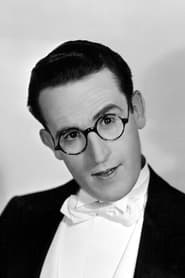
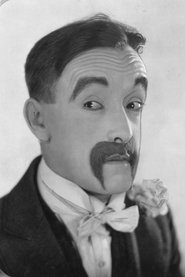
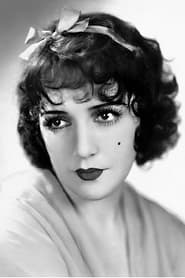
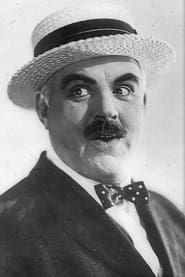
A carefree day at the beach turns into a string of escalating mishaps and comic misunderstandings for the film's central characters. As in many Harold Lloyd shorts of the period, the humor comes from social awkwardness, flirtation, and an ordinary outing turning into physical chaos when rival suitors, bystanders, and chance accidents keep complicating the action. Bebe Daniels appears as the female lead around whom the men's attention and jealousy orbit, while Harry "Snub" Pollard contributes his trademark off-kilter comic energy to the disorder. The plot is slight by design, but the short builds its comedy through a series of seaside gags, embarrassed reactions, and chase-and-collision routines that end the outing in broad comic mayhem.

About the Production

Release Date 1918
Production Rolin Film Company
Filmed In Likely filmed on or near Southern California beach locations used by Hal Roach productions of the era

This is a short silent comedy produced during Harold Lloyd's productive 1918 period at Hal Roach's studio, when he was transitioning from one-reel slapstick toward the more polished personality comedy that would make him famous. Like many Roach shorts, it was built around a compact premise that could support several distinct comic business sequences rather than a heavily developed narrative. The film's surviving documentation is limited, so specific production details such as exact shooting dates, budget, and release campaign materials are not well recorded in standard reference sources. The beach setting would have allowed the production team to stage visually open gags with water, sand, costumes, and crowd interactions, all useful ingredients for silent slapstick comedy.

Historical Background

The film was made in 1918, during the final year of World War I and amid major social and industrial changes in the United States. Silent comedy shorts were a dominant form of popular entertainment, especially for urban and small-town theaters that relied on frequent new content to keep audiences returning. This was also an important transitional era for screen comedy: the rougher, anarchic slapstick of the mid-1910s was gradually giving way to more character-based humor, and Harold Lloyd was one of the key figures in that evolution. The film therefore matters less as a famous standalone title than as part of the broader development of American screen comedy and the rise of the studio system around Hal Roach.

Why This Film Matters

Although not among the best-known Harold Lloyd titles, the film is part of the crucial body of work that helped define silent-era comedic performance style. Its value today is historical: it shows how star-centered short comedies were constructed around simple scenarios, familiar performers, and rapid gag delivery. For modern viewers and historians, it contributes to the understanding of Lloyd's early career and the way Hal Roach built a sustainable comedy brand that later influenced film comedy's emphasis on relatable protagonists and escalating set-piece humor. As with many surviving or documented but obscure silent shorts, its significance lies in what it reveals about everyday studio production practices, performer development, and the comic tastes of the late 1910s.

Making Of

Why Pick on Me? was made at a time when Harold Lloyd was refining the screen persona that would later become his signature: energetic, likable, and increasingly less dependent on anarchic chaos than on an everyman's persistence in the face of embarrassment and danger. The film likely used the practical advantages of beach shooting to stage broad action in an open environment, which was ideal for silent comedy's visually readable gags. Bebe Daniels and Snub Pollard were both important members of the Roach ensemble, so the film also reflects the studio's ensemble-based production style, where recurring performers could quickly establish comic roles for audiences. Detailed production anecdotes are scarce, but the film's place in the 1918 Roach output suggests a quick-moving, economical production designed to capitalize on familiar comic chemistry and timely exhibition demand.

Visual Style

As a silent comedy short, the film would have relied on clear, frontal staging, mobile blocking, and readable physical action rather than elaborate visual experimentation. Beach settings typically offered strong natural light and open space, allowing the camera to capture broad movement, crowd interactions, and slapstick business without complex set construction. The visual style would likely have emphasized timing and spatial clarity, essential for comedy where the audience must instantly understand who is chasing whom, who is embarrassed, and how each gag escalates. No highly specific cinematographic innovations are commonly associated with this title in standard references, but its likely value lies in efficient, clean comic coverage typical of Hal Roach productions.

Innovations

The film does not appear to be associated with a major technical innovation, but it reflects the mature craft of late-1910s silent comedy production. Its achievement lies in disciplined gag construction, efficient use of location-like beach settings, and coordination of ensemble physical comedy. The ability to stage readable action in an outdoor environment, especially with water and crowd movement, was itself a practical skill that many silent comedies exploited successfully. In that sense, the film demonstrates strong professional command of comic timing and visual storytelling rather than a landmark technical breakthrough.

Music

As a 1918 silent film, it had no synchronized soundtrack or recorded score. Original musical accompaniment would have varied by theater and could have ranged from a solo pianist to small orchestral ensembles depending on venue and budget. Modern screenings of silent films like this may use historically informed piano accompaniment, generic silent-comedy cue sheets, or newly commissioned scores, but no definitive original score is widely documented for this title.

Famous Quotes

No synchronized dialogue or documented intertitles are widely standardized for this film in accessible reference sources.

Memorable Scenes

  • A beach outing that steadily devolves into comic confusion as flirtation and rivalry complicate what should be a simple day of leisure.
  • Physical gags involving sand, water, and crowd movement that turn the seaside into an arena for slapstick mishaps.
  • The ensemble interplay between Harold Lloyd, Harry 'Snub' Pollard, and Bebe Daniels, which likely drives the comedy through reaction shots and escalating embarrassment.

Did You Know?

  • The film is a Harold Lloyd vehicle from the late silent short-comedy era, before his feature-length stardom became dominant.
  • Bebe Daniels appears in one of her early screen roles, part of the Hal Roach comedy stock company that launched many careers.
  • Harry 'Snub' Pollard was one of the era's most distinctive comic supporting performers and often played eccentric foils to Lloyd.
  • The title is characteristic of 1910s comedy phrasing, using a colloquial question to suggest a character's exasperation or victimhood.
  • The story is centered on a beach trip, a common silent-comedy setting because it naturally allowed for crowds, costumes, water gags, and physical mishaps.
  • The film belongs to the same broad creative environment that produced many of Lloyd's surviving shorts from 1917-1919, though this title is much less widely documented than his major surviving works.
  • Because it is a short silent film from 1918, music accompaniment would originally have depended on the theater and was not standardized.
  • Reference information on the film is comparatively sparse, which is common for many lesser-known silent comedies of the period.
  • It reflects the Hal Roach studio's approach to comedy: fast pacing, strong comic personalities, and simple situations designed for escalating physical humor.

What Critics Said

Contemporary critical response is not well documented in widely accessible sources, which is common for short comedies of the period that were reviewed briefly in trade papers rather than extensively in national criticism. At the time, films like this were judged primarily on their ability to provoke laughter, deliver recognizable performers, and provide efficient theatrical entertainment. Modern critical attention tends to be indirect, treating the film as part of Harold Lloyd's early filmography rather than as a major stand-alone masterpiece. As a result, present-day evaluation usually centers on its archival and historical interest rather than on a large body of critical writing.

What Audiences Thought

There is no detailed box-office or audience-survey record commonly cited for this title, but short Harold Lloyd comedies were generally popular with exhibitors because they were reliable crowd-pleasers. Audiences of 1918 would have been familiar with beach-set farce and with the expressive comic personalities of Lloyd, Pollard, and Daniels. The film's appeal likely rested on instant readability: a simple premise, attractive performers, and physical comedy that crossed language barriers. Today, reception is mostly limited to silent-film enthusiasts and historians who seek out lesser-known entries in Lloyd's early output.

Film Connections

Influenced By

  • Stage and vaudeville slapstick traditions
  • Early Keystone-style chase comedy
  • Hal Roach studio comedy formulas

This Film Influenced

  • Later Harold Lloyd silent comedies that refined the everyday-hero formula
  • The broader Hal Roach comedy model of ensemble-based short films
  • Beach-party and seaside farce comedies that use public leisure settings for slapstick

Film Restoration

Preservation status is uncertain in widely available reference sources; the film is less well documented than Harold Lloyd's major surviving comedies, and it may survive only in incomplete archival form or be difficult to access. If extant, it is held by archives or private collections rather than being broadly available in commercial release. Because many 1910s short comedies were lost or only partially preserved, this title should be treated as archival and potentially rare until confirmed by a specific holding institution.

Themes & Topics