Take a Chance
Plot
A fast-moving Harold Lloyd comedy-romance, Take a Chance follows a shy, socially awkward young man who falls for a girl and repeatedly finds himself in comic trouble as he tries to win her affection. As in many Lloyd vehicles of the period, the story begins as a boy-meets-girl romance, then escalates into a series of misunderstandings and escalating mishaps that place the hero in physically dangerous but highly comedic situations. A key comic device in the film is that the hero is mistaken for an escaped convict, causing him to be pursued across the countryside by an increasingly absurd and relentless posse of police. The action builds toward a stunt-heavy climax that combines chase comedy, romantic payoff, and the kind of escalating peril that became one of Lloyd's signature contributions to silent-era screen comedy. The film blends romance, rural farce, and daredevil chase business into a compact one-reel-era style narrative characteristic of late-1910s shorts.
About the Production
Take a Chance was produced during Harold Lloyd's early rise as a major comedy star, when his films were still being made as short subjects rather than feature-length productions. Like many Lloyd comedies of the period, the film was built around escalating physical comedy, chase material, and carefully staged stunt business rather than elaborate set construction. Alfred J. Goulding, who directed numerous Lloyd shorts, helped shape the brisk pacing and broad comic timing associated with the Rolin studio output. Surviving documentation on exact production specifics is limited, and precise budget and box-office figures are not generally available for this short film.
Historical Background
Take a Chance was produced in 1918, near the end of World War I, during a period when American cinema was rapidly expanding its audience and refining the grammar of screen comedy. Silent shorts were a major part of exhibition programming, often playing before features or in mixed bill programs, so films like this had an important role in defining popular entertainment for wide audiences. Harold Lloyd was emerging as one of the key figures in screen comedy alongside Chaplin and Keaton, and this era helped establish the comic chase, the romantic obstacle course, and the near-disaster climax as staples of mainstream film humor. The film also belongs to a moment when American studios were consolidating star systems and building recognizable comic brands, making even short subjects valuable vehicles for audience loyalty and repeat attendance.
Why This Film Matters
While not as famous as Harold Lloyd's later feature comedies, Take a Chance is culturally significant as part of the foundation of Lloyd's screen persona and the broader evolution of silent slapstick. It demonstrates the move from purely gag-driven shorts toward more sustained narrative momentum, especially in the use of mistaken identity and chase mechanics to unify comedy and suspense. The film also contributes to the history of action-comedy, showing how physical peril could be turned into audience delight without dialogue, a technique that influenced later comedy filmmakers long after the silent era. For historians, it is valuable as an example of early Lloyd craftsmanship and as a document of how American silent comedy handled romance, class anxiety, and public authority figures such as police in a playful, exaggerated way.
Making Of
Take a Chance was made in the industrial, fast-turnaround environment of late-1910s comedy production, where shorts were assembled quickly but still expected to deliver a strong payoff through gags, romance, and action. Harold Lloyd's screen career at this point was already developing the blend of everyman vulnerability and escalating bravado that later made him one of the most durable comic stars of the silent era. Alfred J. Goulding's direction would have emphasized clean staging, readable comic beats, and stunt choreography that could be clearly understood without intertitles doing too much of the work. Surviving production documentation is sparse, so many exact behind-the-scenes details about shooting schedules, locations, or stunt doubles are not firmly documented; however, the film's chase-driven premise strongly suggests outdoor location work and practical physical comedy as central production elements.
Visual Style
The cinematography is typical of late-1910s silent comedy: straightforward framing, medium shots for action readability, and staging that keeps performers and gags clearly visible to the audience. In a film built around chase comedy and mistaken identity, visual clarity is crucial, so the camera style would have favored legible movement over elaborate expressive camerawork. Outdoor sequences would likely have been used to expand the sense of speed and open-space pursuit, a common approach in slapstick shorts when the story demanded a rural or countryside chase. The overall visual style is functional but purposeful, designed to support comic timing, physical performance, and the rhythm of escalation.
Innovations
The film's main technical achievement lies in its coordination of physical comedy, chase staging, and stunt-based visual storytelling rather than in specialized effects or camera innovation. Silent comedy of this kind required precise blocking, safe execution of dangerous-looking action, and editing that preserved the continuity of movement so that the audience could follow the escalating misunderstanding. The mistaken-convict chase premise is an early example of the kind of large-scale comic pursuit that would become a signature tool in later feature-length comedy. In that sense, the film is part of the technical evolution of slapstick toward more complex action-comedy construction.
Music
As a 1918 silent film, Take a Chance originally had no synchronized recorded soundtrack. It would have been accompanied in theaters by live music, typically a pianist, organist, or small ensemble, with the score selected or improvised to match romantic scenes, comic mishaps, and chase passages. No original cue sheet or definitive commissioned score is widely documented for this title in standard modern references. Any music heard in contemporary presentations is generally the result of later archive or restoration accompaniment rather than an original sound-era element.
Memorable Scenes
- The mistaken-identity sequence in which the hero is wrongly identified as an escaped convict, setting off the film's central comic engine.
- The countryside chase in which an army of police relentlessly pursues the increasingly panicked hero across open terrain.
- The stunt-driven climax, which combines physical jeopardy, comic timing, and romantic resolution in classic Harold Lloyd fashion.
Did You Know?
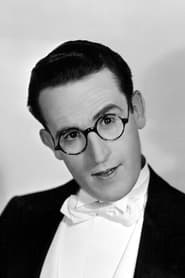
- This is an early Harold Lloyd comedy from the period before he fully developed his later 'glasses' character into the iconic screen persona most viewers know.
- The film is a short subject rather than a feature, reflecting how top comedians of the 1910s were often showcased in one- and two-reel releases.
- Alfred J. Goulding was one of the important directors who helped shape Lloyd's early silent-comedy style.
- The plot uses the classic mistaken-identity setup common to silent slapstick, but adds a more sustained chase structure than many contemporary shorts.
- The rural pursuit material anticipates the elaborate chase finales that would become a hallmark of Harold Lloyd's later feature comedies.
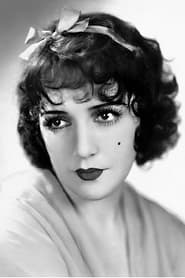
- Bebe Daniels appears in one of her early screen roles before she became a major star in later silent and sound-era films.
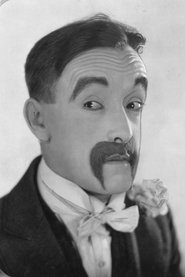
- Harry 'Snub' Pollard, a familiar comic performer of the period, adds extra slapstick energy to the supporting cast.
- The film survives in catalog records and is listed in modern film databases, but it is not as widely circulated as Lloyd's later feature-length comedies.
- Because many early shorts were released with minimal surviving publicity, original advertising materials such as taglines are difficult to verify for this title.
- Take a Chance is representative of the transitional era in which silent comedy was moving from simple gag construction toward more elaborate narrative and stunt-based spectacle.
What Critics Said
Contemporary critical reception for this specific short is not extensively documented in surviving sources, which is common for many 1910s one-reel comedies. In general, Harold Lloyd's shorts were well regarded for their pace, accessibility, and inventive physical comedy, and Take a Chance fits comfortably within the body of work that helped build his reputation. Modern critics and film historians tend to view such shorts as important transitional works: they may not be as formally ambitious as Lloyd's later features, but they show the refinement of comic timing, audience sympathy, and stunt-based storytelling that would define his mature career. Today it is usually discussed more in archival and historical terms than as a standalone popular title.
What Audiences Thought
Specific audience-response records for Take a Chance are not well preserved, but Harold Lloyd's shorts were generally popular with contemporary moviegoers who enjoyed fast-paced, easy-to-follow comedy with romantic appeal and energetic physical action. The combination of a boy-girl plot and an extended chase would have made the film immediately legible and entertaining for broad audiences in 1918, including weekly patrons of neighborhood theaters. Like many silent shorts, its reception was likely strongest as part of a program rather than as a standalone event, where the rapid succession of gags and the stunt climax could deliver a satisfying burst of amusement. Its survival in film databases and historical references suggests that it was notable enough to remain part of Lloyd's early filmography, even if it did not achieve the iconic status of his later features.
Film Connections
Influenced By
- Stage farce traditions
- Early Keystone-style slapstick comedy
- Vaudeville physical comedy
- Serial and chase melodramas of the 1910s
This Film Influenced
- Harold Lloyd comedies of the 1920s
- Later silent chase comedies
- The safety-pinned everyman action-comedy tradition in Hollywood
You Might Also Like
More Comedy Films
View allMore from Alfred J. Goulding
View allFilm Restoration
The film is documented and known to survive in catalog references and archival records, but it is not among the most commonly screened Harold Lloyd titles; availability may be limited depending on archive holdings and any extant print elements.