James A. Fitzgerald
Actor
- Active
- 1918-1919
Films 2
About James A. Fitzgerald
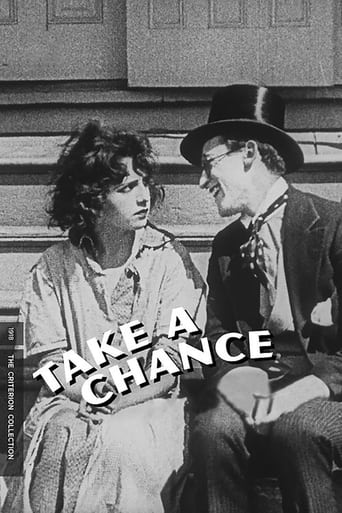
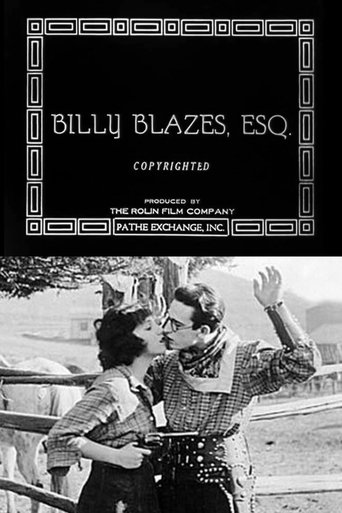
James A. Fitzgerald appears to have been a very minor silent-era screen actor whose documented film career is limited to a small number of surviving credits from 1918 and 1919. He is known from filmographies associated with the western-comedy short Take a Chance (1918) and Billy Blazes, Esq. (1919), both from the late silent period when the American film industry relied heavily on short subjects, stock company performers, and rapidly produced genre pictures. Beyond these credits, reliable biographical documentation is extremely scarce, and no firmly verifiable record of his birth, death, family background, or later life is widely established in standard classic-cinema references. His screen work suggests participation in the fast-moving studio world of the post-World War I era, when many actors appeared in only a handful of productions and were not always individually publicized. Because the surviving record is thin, James A. Fitzgerald is best understood as a peripheral but real participant in early Hollywood’s production ecosystem rather than a major star. His name remains of interest mainly to film historians, archive researchers, and database compilers trying to reconstruct the full cast lists of silent-era films. In the absence of stronger documentation, his career arc must be described cautiously as brief and largely undocumented outside the two confirmed late-1910s film appearances.
More about James A. Fitzgerald
In film history
James A. Fitzgerald does not appear to have had a documented public persona or major cultural footprint comparable to the leading stars of silent cinema. His importance is primarily archival: he is part of the immense supporting workforce of early film, the performers whose names help historians reconstruct cast lists, production practices, and the sheer scale of silent-era output. Even obscure credits like his are valuable because they preserve the texture of the industry and remind modern viewers that classic cinema depended on hundreds of lightly documented actors beyond the marquee names. In that sense, his presence in film records contributes to the completeness and accuracy of film history, especially for short subjects and early genre pictures.
Later reputation
His legacy is one of documentation rather than celebrity. For historians and database curators, James A. Fitzgerald exemplifies the many silent-era players whose work survives only in sparse credits, trade listings, or archive references, yet still forms part of cinema’s foundational era. The preservation of his name in filmographies ensures that the historical record of early American film remains more complete and representative of all contributors, not just stars. His legacy is therefore tied to the broader effort of restoring forgotten participants to the narrative of classic Hollywood.
Influence
There is no evidence that James A. Fitzgerald directly influenced later actors or filmmakers in a traceable, documented way. His indirect influence lies in the broader example of early screen performers who helped establish the routines, performance conventions, and industrial rhythms of the silent era. By participating in productions during a formative period of American cinema, he was part of the workforce that normalized screen acting techniques adapted for silent storytelling. However, any specific line of influence would be speculative and is not supported by the surviving record.
Off screen
No reliable, widely verified personal-life information is currently available for James A. Fitzgerald in standard classic-cinema reference sources. His marriages, children, residence history, education, and later occupation are not documented in the surviving public film record consulted here. Like many minor silent-era performers, he may have worked under conditions that left little press coverage or archival trace, especially if he did not continue in high-profile Hollywood production. As a result, any detailed family or private-life claims would be speculative and are not included as fact.
Credits
- Appeared in the silent-era film Take a Chance (1918)
- Appeared in the silent-era film Billy Blazes, Esq. (1919)
- Represents one of the many lesser-documented performers working in short-form American cinema during the late silent period
Films
- Take a Chance (1918)
- Billy Blazes, Esq. (1919)
Notes
- His known filmography is extremely small, with only two readily identifiable silent-era credits.
- Both confirmed films date to the late 1910s, a period when short subjects were especially common.
- He is not currently documented as a major star, director, or producer in standard classic-cinema references.
- Because silent-era recordkeeping was inconsistent, many performers like him are known only through surviving cast lists.
- His name is important to film historians interested in complete cast documentation rather than star biographies.
- No widely verified birth or death dates are readily available from the surviving film record.
- He should not be confused with later or similarly named individuals in other fields.
Questions
Who was James A. Fitzgerald?
James A. Fitzgerald was a silent-era film actor known from the late-1910s period. The surviving record identifies him in at least Take a Chance (1918) and Billy Blazes, Esq. (1919), but little else about his life has been reliably documented.
What films is James A. Fitzgerald best known for?
He is best known for Take a Chance (1918) and Billy Blazes, Esq. (1919). These are the principal surviving screen credits commonly associated with his name.
When was James A. Fitzgerald born and when did he die?
His birth and death dates are not currently verified in the available classic-cinema record. Likewise, his birthplace and death details remain unknown from the sources consulted.
What awards did James A. Fitzgerald win?
No awards or nominations are currently documented for James A. Fitzgerald. Given the limited surviving record of his work, he does not appear to have received major industry honors that are traceable today.
What was James A. Fitzgerald's acting style?
There is no surviving detailed critical description of his acting style. Based on his silent-era credits, he likely performed within the expressive, visually legible style required by films of the period, but anything more specific would be speculative.
What is James A. Fitzgerald's legacy in film history?
His legacy lies in the archival record of silent cinema rather than in star status. He represents the many lesser-known actors whose work helped populate and sustain early Hollywood productions, even when personal details were never widely preserved.