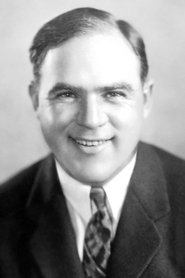
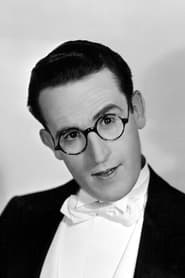
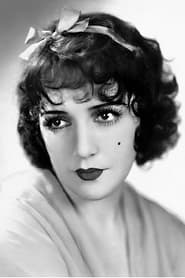
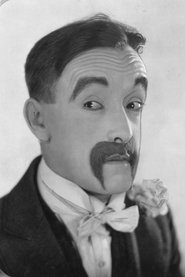
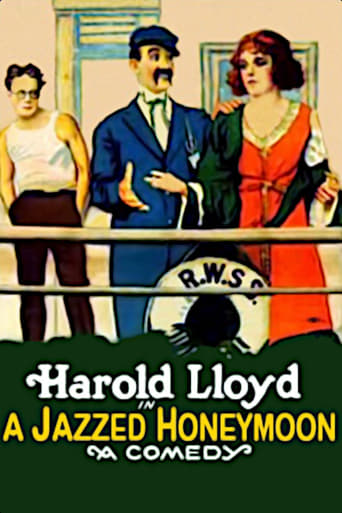
Billy Blazes, Esq.
"null"
Plot
Billy Blazes, a comic Western lawman played by Harold Lloyd, rides into the town of Peaceful Vale, where the residents have long been cowed by the bullying rule of Crooked Charley. Charley and his henchmen keep the townspeople intimidated through threats, violence, and general lawlessness, allowing them to control the community and exploit its vulnerability. Billy quickly proves more physically capable and wittier than the gang expects, but he also has to contend with the romantic complications of his growing attraction to the heroine, played by Bebe Daniels. As the situation escalates, Billy must outsmart Charley, restore order, and prove that his blend of bravado and slapstick can triumph over brute force. The film builds toward a comic confrontation in which the town’s fear finally breaks, and the lawless regime is overturned in classic silent-comedy style.
About the Production
Billy Blazes, Esq. was produced during the peak of Harold Lloyd’s short-subject comedy period under Hal Roach, when the team was refining the blend of physical comedy, character-based humor, and rapid visual storytelling that would make Lloyd one of the major stars of the silent era. The film was made as a two-reel Western parody, a format that allowed Roach’s unit to satirize familiar frontier melodramas while showcasing Lloyd’s energetic screen persona. Like many Roach comedies of the period, it relied on carefully timed gags, stunt work, and economical production values rather than elaborate sets or high costs. The surviving records do not consistently preserve detailed budgetary or location data, but the film was almost certainly mounted on studio backlot Western sets and nearby exterior locations commonly used by Roach production crews in the Hollywood area.
Historical Background
Billy Blazes, Esq. was released in 1919, a year in which American cinema was rapidly expanding its industrial sophistication and popular reach after the disruptions of World War I. The silent film industry was in a period of intense experimentation with star personas, genre parody, and increasingly polished short-form comedy, and Hal Roach’s studio was one of the key places where that development was taking place. Westerns were among the most familiar and profitable screen genres of the era, which made them ideal targets for satire because audiences already understood the conventions being mocked: the tough sheriff, the outlaw boss, the endangered town, and the climactic restoration of order. The film matters historically because it shows Harold Lloyd moving through the comic types that would lead him toward his signature modern-daredevil persona, while also documenting the studio system’s early ability to recycle and parody its own most popular genres.
Why This Film Matters
The film is significant as part of the formative body of work that helped define Harold Lloyd’s early screen identity and demonstrated how silent comedy could successfully borrow the imagery of the Western while subverting it. Its value to film history lies less in awards or prestige than in its place within the development of American screen comedy: a compact, efficient short that blends action, romance, and parody in a way that anticipates later genre-mocking comedies. It also reflects the broader cultural appetite of the late 1910s for frontier mythology, even as it playfully punctures that mythology by showing a hero who wins through comic ingenuity rather than traditional Western toughness. For modern viewers and scholars, it is an example of how early Hollywood used familiar cultural icons to build audience rapport and to train stars, directors, and studio units in the mechanics of visual storytelling.
Making Of
Billy Blazes, Esq. was made in the environment of the Hal Roach studio, where short comedies were produced with great regularity and a strong emphasis on efficient construction, recurring performers, and audience-tested comic rhythms. The project took advantage of Harold Lloyd’s growing popularity and his versatility in both urban and genre-parody settings, allowing the filmmakers to place him in a Western framework that audiences would immediately recognize. The production likely used familiar studio resources, including standing Western sets, stock costumes, and a repertory cast that could move quickly between gags and action beats without extensive setup. While detailed behind-the-scenes documentation for this specific short is limited, the film clearly reflects Roach’s collaborative production model, in which direction, performance, and staging were shaped to maximize clarity, momentum, and the payoff of physical comedy.
Visual Style
The film’s visual style is characteristic of late-1910s silent comedy: straightforward framing, clear staging, and emphasis on readable action rather than elaborate camera movement. Scenes were likely composed to keep the gag mechanics visible in full or medium-full shots, allowing Harold Lloyd’s body language, timing, and reactions to carry the humor. As with many Roach comedies, the cinematography would have prioritized sharp spatial clarity so that entrances, chases, confrontations, and payoff gags could land cleanly. The Western setting also offered open-air exteriors and simple set design that enhanced the comic contrast between serious genre iconography and playful behavior.
Innovations
Billy Blazes, Esq. is not known for a major technical innovation in the industrial sense, but it is notable for the efficiency with which it uses silent-comedy techniques to merge genre parody with physical storytelling. The film demonstrates the mature use of visual gag construction, especially in how it layers threat, delay, escalation, and payoff in a compact running time. It also shows the early refinement of the Hal Roach production method, where ensemble timing, clear blocking, and the careful staging of action made the humor legible without intertitles doing too much work. Its greatest technical achievement is probably its disciplined economy: a short film that creates a complete comic world and resolves it cleanly within the constraints of a two-reel format.
Music
No original synchronized soundtrack survives, as the film was made for the silent era and would have been exhibited with live musical accompaniment tailored to the venue. Contemporary presentations of the film today may use library scores, newly commissioned accompaniments, or archive-friendly piano and ensemble arrangements depending on the distributor or repertory program. There is no universally standardized original cue sheet widely cited for this title in the way there might be for later prestige silent features. Music would originally have served to heighten the rhythm of chases, comic reversals, and the Western atmosphere.
Memorable Scenes
- Billy’s arrival in Peaceful Vale and the immediate comic contrast between his confidence and the town’s fear of Crooked Charley.
- The sequence in which Billy repeatedly outmaneuvers Charley’s gang, turning a standard Western intimidation setup into slapstick business.
- The climactic confrontation where the town’s bully is finally undone and order is restored through comic action rather than solemn gunfighting.
Did You Know?
- Billy Blazes, Esq. is one of Harold Lloyd’s early Western spoofs, a genre parody that helped establish his screen image before his later feature-length successes.
- The film was directed by Hal Roach, who was then building one of the most influential comedy production units in Hollywood.
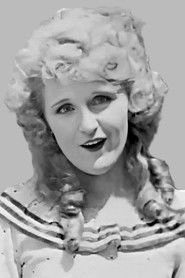
- Bebe Daniels appears in the film during the years when she worked frequently with Harold Lloyd and Hal Roach before moving on to a major career in features and sound pictures.
- Harry 'Snub' Pollard, a key Roach-stock performer, plays one of the comic supporting roles, adding to the studio’s familiar ensemble dynamic.
- The film reflects the popularity of Western settings in silent comedy, where frontier toughness could be mocked through slapstick exaggeration and inverted heroics.
- The title uses the mock-legal honorific 'Esq.' as part of the joke, suggesting a faux respectability for an otherwise rough-and-ready frontier hero.
- Billy Blazes fits into Harold Lloyd’s early development of the confident, energetic comic protagonist who often begins as an underdog but wins through nerve and improvisation.
- As a silent short from 1919, the film would originally have been shown with live musical accompaniment rather than a synchronized recorded score.
- The film is part of the body of work that helped cement Hal Roach’s reputation for clean, brisk, audience-friendly comedy.
- Its survival and availability today make it a useful example of how early silent Western parody blended action, romance, and escalating comic mayhem.
What Critics Said
Contemporary critical documentation for many silent shorts, including Billy Blazes, Esq., is fragmentary, so there is no single widely cited review consensus preserved in the standard film-history record. At the time of release, Harold Lloyd comedies were generally well received for their pace, accessibility, and clever physical humor, and this short fit comfortably within that favorable reception. Later critics and historians tend to view the film primarily as a minor but valuable piece of Lloyd’s development, especially as evidence of how he and Hal Roach worked within genre parody before Lloyd’s feature-era stardom. Today it is appreciated by silent-film enthusiasts more as a historical artifact and a demonstration of early comedy craft than as one of the landmark Lloyd titles.
What Audiences Thought
There is no detailed surviving box-office record or audience-survey data specific to this short, but as part of Harold Lloyd’s popular 1919 comedy output it would have been intended for broad audience appeal in neighborhood theaters and larger urban venues alike. Silent comedies of this kind typically played strongly because their humor was visual, fast, and easy to follow regardless of local dialect or literacy level, and the Western setting would have been instantly legible to mainstream spectators. Audience response would likely have centered on the escalating gags, the pleasure of seeing a comic hero triumph over a bully, and the familiarity of the stock Western situation being turned upside down. In the modern era, it primarily attracts viewers interested in silent comedy, early Lloyd, and the Hal Roach studio’s short-subject output.
Film Connections
Influenced By
- The conventions of American silent Westerns from the 1910s
- Frontier melodramas with the outlaw-gang-versus-town structure
- Vaudeville-derived physical comedy traditions
- Early screen comedies that parodied established genre formulas
This Film Influenced
- Later genre-parody Western comedies by Hal Roach and other silent-era filmmakers
- Harold Lloyd’s own later persona-driven comedies that mix confidence, danger, and physical ingenuity
- Subsequent silent and early sound Western spoofs that rely on exaggerating frontier stereotypes
You Might Also Like
More Comedy Films
View allMore from Hal Roach
View allFilm Restoration
The film is preserved and available in surviving print form through film archives and home-video or online presentations of Harold Lloyd shorts, though the exact completeness and quality may vary by source. It is not generally regarded as a lost film.