That's Him
Plot
A newly married Harold sets out on a trip with his bride, but his plans are thrown into chaos when he discovers that the train tickets have been lost. Before he can recover them, a crook knocks him senseless, steals his clothes, and leaves him stranded while wearing the hero’s identity. The thief’s earlier victims then begin chasing Harold, believing him to be the culprit, and the confusion quickly spreads until even his bride is led to think that he has deserted her. The film builds its comedy from frantic misunderstandings, disguise gags, and escalating pursuit, with Harold scrambling to clear his name and reconnect with his wife before the situation becomes completely hopeless. In classic silent-comedy fashion, the plot moves through a series of physical escalations and mistaken identities toward a resolution that restores the couple and exposes the real wrongdoer.
About the Production
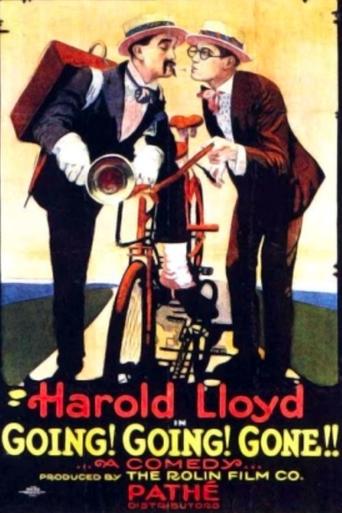
That's Him was produced during Harold Lloyd's early career as a one-reel silent comedy for the Rolin Film Company, the outfit associated with producer Hal Roach before Lloyd became one of the biggest stars of the silent era. Like many of Lloyd's 1918 shorts, it was built around fast, economical gag construction, with emphasis on chase comedy, mistaken identity, and physical business rather than elaborate sets. The film belongs to the period when Lloyd was transitioning from the Lonesome Luke persona toward the more recognizable, bespectacled comic character that would define his later fame. Surviving records for the production are sparse, and detailed documentation about budget, box office, or exact studio stage usage does not appear to be widely preserved.
Historical Background
That's Him was made in 1918, at the tail end of World War I and during a period when the American film industry was rapidly consolidating its dominance in the global marketplace. Silent comedies were especially important in this era because they traveled easily across language barriers and gave audiences relief from wartime anxieties and postwar uncertainty. Harold Lloyd was still in the phase of his career where he was building his identity through shorts, working within the highly competitive world of one-reel comedy that also included Chaplin, Keaton's later work, and the broader Hal Roach stable. The film matters historically as part of the transition from early slapstick toward more polished character-based screen comedy, and as evidence of how studio-era comic production was evolving into a reliable industrial form.
Why This Film Matters
Although That's Him is not among Harold Lloyd's most famous surviving works, it is culturally significant as a document of the development of American silent comedy in the late 1910s. It shows the era's reliance on mistaken identity, chase structure, and visual exaggeration, elements that would continue to shape screen comedy long after the silent period ended. For Lloyd scholars, the film represents a stage in the evolution of a comic performer who would eventually become one of the defining figures of silent film. Its value today lies in its contribution to the larger archival picture of early comedy filmmaking and to the understanding of how stars, studios, and recurring gags were refined into a durable popular style.
Making Of
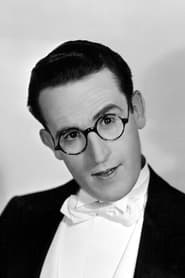
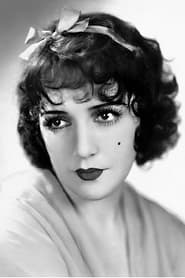
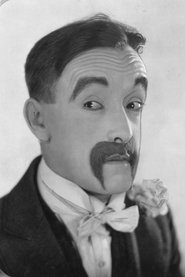
That's Him was made in the working environment of the Rolin Film Company, where Harold Lloyd, his supporting cast, and director Gilbert Pratt developed compact comedies at a rapid pace. The film reflects the studio's emphasis on dependable physical comedy, clear narrative setups, and gag payoffs that could be understood instantly by audiences in any language. Lloyd's early career was marked by experimentation with comic personas and situation-driven humor, and films like this helped him refine the timing and screen presence that would later make him a superstar. Detailed production records are limited, but the cast combination of Lloyd, Bebe Daniels, and Snub Pollard suggests the familiar ensemble approach that gave these shorts much of their energy and rhythm.
Visual Style
The cinematography is characteristic of late-1910s silent comedy: functional, clear, and built to preserve visibility of facial expression and physical action. Shots were typically staged to keep the comic business legible, with straightforward framing that allowed rapid movement, entrances and exits, and chase action to register cleanly. The visual style would have emphasized spatial continuity and timing rather than elaborate camera movement, since the humor depends on the audience understanding who is mistaken for whom at each step. As with many shorts of this period, the cinematography serves the action efficiently and lets the performers carry the comedy through body language and precise blocking.
Innovations
The film does not appear to be associated with a major technical innovation, but it exemplifies the refined use of silent-comedy storytelling techniques. Its main achievement lies in economical visual narrative: the audience is quickly informed of the ticket loss, the assault, the clothes swap, and the mistaken pursuit without the need for intertitles to carry the whole story. The film also demonstrates the period's mastery of chase construction and continuity editing in short-form comedy, where timing and clear staging were essential to the humor. In that sense, it represents the mature craft of late-1910s slapstick filmmaking rather than a single groundbreaking invention.
Music
As a 1918 silent film, That's Him had no synchronized recorded soundtrack. It would have been shown with live musical accompaniment in theaters, usually provided by a pianist or small ensemble, and the exact music depended on the venue and local exhibition practice. No original cue sheet or official score is widely documented in the available reference record. Modern screenings of surviving silent films of this type are often accompanied by newly prepared or improvised musical tracks.
Memorable Scenes
- The opening setup in which the newlywed hero realizes the train tickets are missing, instantly creating the comic premise and urgency.
- The moment the crook knocks the hero down and switches clothes with him, launching the mistaken-identity chaos.
- The sequence in which the thief's victims begin pursuing the innocent hero, believing he is responsible for the earlier crimes.
- The scene where the bride is misled into thinking she has been abandoned, adding emotional stakes to the physical comedy.
- The escalating chase and attempts to sort out the confusion before the couple's situation collapses completely.
Did You Know?
- That's Him was released in 1918, during Harold Lloyd's prolific run of short comedies before his feature-length successes of the 1920s.
- The film was directed by Gilbert Pratt, who handled a number of early silent comedies and worked with Lloyd during the formative years of his screen persona.
- Bebe Daniels appears in the film, one of several early roles that helped establish her as a versatile silent-era actress before she moved into more mature star parts.
- Harry 'Snub' Pollard, a frequent comedy supporting player of the period, adds to the film's style of broad visual humor and frantic chase energy.
- The plot uses a classic silent-comedy device: a hero being mistaken for a criminal because of a sudden clothes swap, a situation that allowed for visual storytelling without dialogue.
- Because it is a short subject from the late 1910s, the film is primarily valuable today as an example of Lloyd's developing comic timing and his studio's efficient gag-driven structure.
- The title That's Him fits the film's theme of mistaken identity and pursuit, echoing the way characters think they have identified the culprit when they have not.
- As with many silent shorts of the era, the film circulated with live musical accompaniment in theaters rather than any synchronized soundtrack.
- The film is listed in archival and reference sources under its exact 1918 release, which is important because Harold Lloyd's filmography includes many similarly structured shorts that can be confused with one another.
- The survival status is not as widely documented or celebrated as Lloyd's major features, making it a more obscure item in his filmography for collectors and historians.
What Critics Said
Contemporary critical commentary on That's Him is limited in the surviving record, which is common for short silent comedies that played as part of larger theater programs rather than as prestige releases. Like many Harold Lloyd shorts of the period, it was likely appreciated for brisk pacing, visual clarity, and dependable laughs rather than subjected to the detailed critical analysis reserved for feature films. In modern scholarship, the film is generally regarded as an example of Lloyd's early comic craftsmanship and of the efficient Hal Roach/Rolin production model, though it is not usually singled out as a major masterpiece. Its importance is more historical and archival than canonical, and its reception today is shaped largely by interest in silent-comedy development and film preservation.
What Audiences Thought
Original audience response is not well documented in surviving sources, but the film would have been designed for broad popular appeal in nickelodeon and vaudeville-adjacent exhibition settings. Its premise of a newlywed mix-up, a missing ticket, a thief's disguise, and a wife mistakenly believing she has been abandoned would have offered straightforward, accessible comedy for general audiences. Harold Lloyd's shorts were known for being reliable crowd-pleasers, and the film's fast-moving action and pursuit gags would have fit the expectations of moviegoers seeking light entertainment. Today, its audience is necessarily much smaller and mostly specialized, consisting of silent-film enthusiasts, archivists, and viewers interested in Lloyd's pre-feature work.
Film Connections
Influenced By
- Vaudeville comic routines
- Early American slapstick shorts
- Broad farce traditions of mistaken identity
- Hal Roach studio comedy formula
This Film Influenced
- Harold Lloyd's later chase comedies
- Silent comedy mistaken-identity shorts
- Later screwball and farce films using identity confusion
You Might Also Like
More Comedy Films
View allMore from Gilbert Pratt
View allFilm Restoration
The film is a surviving 1918 Harold Lloyd short, but it is not one of the best-known or most frequently circulated titles in his filmography. Its preservation status is generally understood to be extant in archival or collector holdings rather than lost, though detailed public restoration history is not widely documented. Availability may vary by archive and release program, and some sources list it as a film accessible through specialized silent-cinema collections or preservation prints.