
Long Fliv the King
"This offbeat comedy from future Hollywood screwball director"
Keys: Space play/pause · ←/→ 10s · F fullscreen · M mute · </> speed
About this film
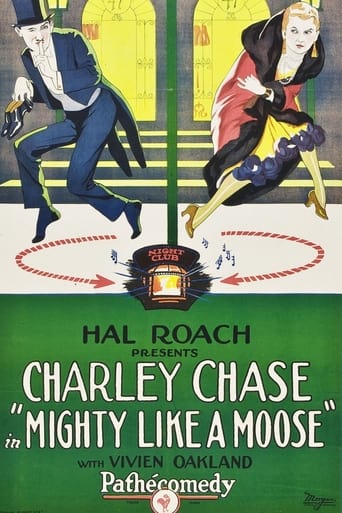
This offbeat comedy from future Hollywood screwball director McCarey is about a princess who must find a husband in 24 hours or forfeit her throne. She quickly marries a condemned man--but the man is pardoned.
Cast & crew
More films like this
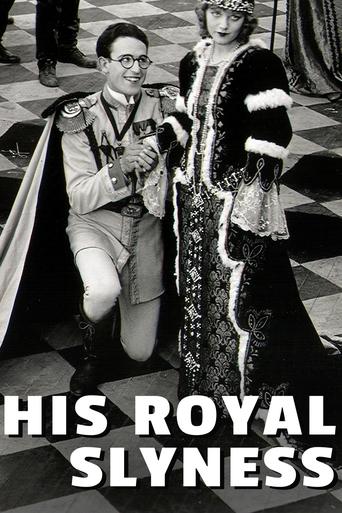
More Comedy films
View all →







More from Leo McCarey
View all →

More about this film
About the production
Release dateJune 13, 1926
ProductionHal Roach Studios
Filmed inHal Roach Studios, Culver City, California, USA
The picture was produced during the peak of the Hal Roach 'All-Stars' era, where the studio was experimenting with pairing different comedic talents. It was filmed between February 22 and March 6, 1926, under the working title 'The Royal Reprieve.' The production utilized the studio's standing 'European' sets, which were frequently repurposed for various Ruritanian-themed comedies of the 1920s.
Themes
Social EmbarrassmentAnti-AristocracyMarriage of ConvenienceThe Accidental HeroAmerican Individualism vs. European Tradition
Themes & topics
PrincessMarriage UltimatumDeath RowPardonDuelRuritaniaMistaken Identity
Historical background
By 1926, Hal Roach Studios was supplying United States theaters with titles like Long Fliv the King, part of the broader expansion of filmed entertainment into working-class districts and small towns.
Why this film matters
Programmers and historians revisit Long Fliv the King (1926) because its story—this offbeat comedy from future hollywood screwball director mccarey is about a princess who must find a husband in 24 hours or forfeit her throne—illustrates popular narrative habits and production norms of the period.
Making of
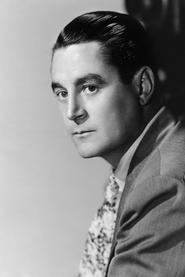
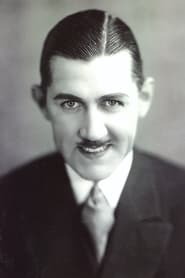
Director Leo McCarey was instrumental in developing Charley Chase's screen persona as the 'polite' everyman who finds himself in increasingly absurd social embarrassments. During production, McCarey encouraged improvisation, particularly in the dueling scene where Chase uses a giant scabbard that actually contains a tiny dagger. The chemistry between Chase and Max Davidson was so effective that they were frequently paired in subsequent shorts. the picture also the high production values of Hal Roach's 'Two-Reelers,' which often rivaled feature films in terms of set design and cinematography.
What critics said
English-language trade reviews of Long Fliv the King are limited for 1926. Where notices survive, they stress pacing and photographic clarity; later criticism values the title as archival evidence of studio style.
Did you know?
- the picture is a loose remake of the 1920 Harold Lloyd short 'His Royal Slyness,' which also featured a kingdom called Thermosa.
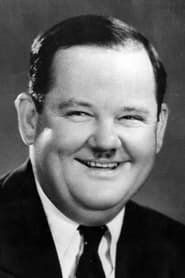
- Oliver Hardy appears in a supporting role as the Prime Minister's assistant, just a year before his partnership with Stan Laurel was officially formed.
- The title is a pun on the phrase 'Long Live the King' and the word 'flivver,' which was slang for a cheap, unreliable car (like a Model T) or a failure.
- Max Davidson, who plays Warfield, was a specialist in 'Jewish' character comedy and often played Chase's foil in Roach comedies.
- John Aasen, who appears uncredited as the Giant Swordsman, was one of the tallest actors in Hollywood history, standing at over 7 feet tall.
- the picture features a recurring gag involving a crown filled with melted ice cream, a classic piece of Leo McCarey physical comedy.
- Despite being a short, it features a high-speed motor car chase at the climax, a staple of Charley Chase's more ambitious productions.
Visual style
Shot by Floyd Jackman, the picture utilizes standard silent-era lighting but excels in its use of depth during the palace scenes. The camera work during the climactic duel and the subsequent car chase is notably dynamic for a 1926 short, using tracking shots to maintain the sense of frantic movement.
Innovations
the picture is noted for its seamless integration of large-scale sets and physical gags, particularly the 'stretcher' sequence during the duel, which required precise timing between the actors and the camera movement.
Music
As a silent film, it had no synchronized score. Original screenings would have been accompanied by a live piano or organ, likely featuring upbeat, 'regal' marches contrasted with frantic 'hurry' music for the chase sequences.
Famous quotes
Intertitle: 'Princess Helga of Thermosa—who came to America to buy a new wardrobe and found she needed a new husband.'
Intertitle: 'Charles Chase—A man with a great future behind him.'
Intertitle: 'I'll marry him! He's going to be hanged anyway, and I'd rather be a widow than a wife to Hamir!'
Memorable scenes
- The Prison Wedding: A darkly comedic scene where Helga and Charles are married through the bars of a jail cell while the executioner waits in the background.
- The Ice Cream Crown: Charles is crowned King, only to realize the crown has been used to hide a melting sundae, leading to a messy and undignified royal procession.
- The Duel: A masterclass in visual comedy where Charles attempts to fight a duel while being followed by two men carrying a stretcher, anticipating his immediate demise.
What audiences thought
Contemporary audiences responded enthusiastically to Charley Chase's 'everyman' charm, making him especially popular short-subject stars of the 1920s. the picture's blend of romantic comedy and slapstick made it a versatile crowd-pleaser that played well in both urban theaters and rural houses.
Film connections
Influenced by
- His Royal Slyness (1920)
- Seven Chances (1925)
- The Prisoner of Zenda
This film influenced
- The Awful Truth (1937)
- Duck Soup (1933)
- The Princess Diaries (2001)
Film restoration
the picture is well-preserved and has been restored. It is currently available in various silent film archives and has been released on DVD as part of Charley Chase comedy collections.
Where to watch
- Charley Chase Collection DVD (Kino Lorber)
- YouTube (Public Domain uploads)
- Streaming platforms specializing in classic cinema (e.g., Kanopy, Criterion Channel occasionally)