1925 · Approximately 20 minutes

Also available on: Archive.org
His Wooden Wedding

His Wooden Wedding

1925 Approximately 20 minutes United States
Marital anxietyMisunderstanding and rumorSocial embarrassmentTrust and suspicionFarce rooted in bodily difference and prejudice

Plot

Charley Chase is about to be married when an old friend slips him an anonymous note claiming that the bride has a wooden leg. The message throws him into a spiral of nervous doubt and comic suspicion, especially because he does not know whether the warning is a cruel prank, a misunderstanding, or the truth. As the wedding nears, Charley’s mounting panic leads him into a string of escalating misunderstandings and physical gags characteristic of Leo McCarey’s silent comedies. The joke is ultimately driven by the possibility that Charley is being manipulated by gossip and social prejudice rather than by any real scandal, turning the premise into a classic farce about fear, trust, and romantic commitment.

About the Production

Release Date 1925
Production Hal Roach Studios
Filmed In Hal Roach Studios, Culver City, California, USA

This short silent comedy was produced during Charley Chase’s productive mid-1920s run at Hal Roach Studios, when Leo McCarey was helping refine the studio’s style of sophisticated, character-based slapstick. Like many Roach shorts of the period, it was built around a compact premise designed to support escalating confusion, visual business, and carefully timed reaction shots rather than elaborate sets or location work. The film is also notable for using the familiar late-silent comedy structure of a social situation spinning out of control through rumor, embarrassment, and mistaken assumptions. Surviving reference material identifies the title, year, director, and cast reliably, but detailed contemporary production records such as budget and precise shooting schedule are not commonly documented in standard film references.

Historical Background

His Wooden Wedding was released in 1925, during the height of the American silent comedy short and just before sound cinema transformed the industry. This was an era when studios like Hal Roach were perfecting the craft of fast, visually legible comedy for mass exhibition in urban and rural theaters alike. The film also reflects the social comedy of the Jazz Age, where marriage, gossip, and appearances could be mined for humor while still remaining broadly acceptable to mainstream audiences. In the broader history of cinema, it belongs to the same fertile period that produced many of the era’s most influential comic techniques: precise reaction editing, escalating misunderstandings, and the use of an anxious, relatable protagonist rather than a purely anarchic clown.

Why This Film Matters

While not among the most famous silent comedies, the film is culturally significant as part of the body of work that established Charley Chase as a master of civilized, situation-driven slapstick. McCarey’s shorts with Chase helped refine a comic tone that was gentler and more psychologically grounded than the harder-edged clowning of some contemporaries, influencing the development of American screen comedy. The film also demonstrates the enduring appeal of rumor-based farce, a comic pattern that has remained common in film and television for decades. For silent-film historians, it is valuable as a representative example of Hal Roach’s comedy factory at a high level of craft, where small-scale premises were turned into sharply executed comic narratives.

Making Of

His Wooden Wedding was made at a time when Hal Roach Studios had become one of the key centers of American short-form comedy, and Leo McCarey was emerging as an especially inventive director within that system. McCarey’s work in the mid-1920s often paired a simple comic premise with carefully layered escalation, allowing Charley Chase to play embarrassment, suspicion, and romantic panic with precision. The film’s cast reflects the studio’s ensemble approach, where supporting performers could quickly establish social pressure, confusion, or authority within a compact running time. Specific production anecdotes from surviving studio paperwork are scarce, but the film fits the Roach pattern of polished silent comedy shorts built to maximize character chemistry, physical business, and audience recognition in a few reels.

Visual Style

The film’s visual style is typical of mid-1920s Hal Roach silent comedy: clean staging, medium-distance framing that preserves performance clarity, and camera setups designed to keep physical action readable. Rather than relying on flashy camera movement, the cinematography serves the performers and the comic rhythm, allowing reaction shots and blocking to carry much of the humor. The visual emphasis is on Charley Chase’s expressive body language, carefully staged interactions, and the spatial arrangement of characters so that misunderstandings can unfold clearly. This is a classic example of silent comedy cinematography functioning as an invisible support system for timing and performance rather than an attention-grabbing stylistic showcase.

Innovations

The film’s main technical achievement lies in its efficient silent-comedy construction: a simple premise is developed through precise visual storytelling, controlled pacing, and escalating comic complications. It demonstrates the mature Hal Roach approach to shorts, where cutting, blocking, and reaction timing are all calibrated to support the joke structure. There are no known technological innovations associated specifically with the film, but it exemplifies the polished craft of late silent slapstick at a very high level. Its enduring value to historians is as a clean model of how studio-era comedy could achieve maximum effect with minimal narrative machinery.

Music

As a silent film, His Wooden Wedding was originally shown with live musical accompaniment tailored to the theater, such as a pianist, organist, or small ensemble depending on venue and exhibition practice. No original published score is commonly documented in standard references for this title, and surviving home-video or archive presentations may use later compiled music. Music in performance would have been used to support the comedic pacing, heighten panic and suspense, and punctuate the film’s farcical misunderstandings. Because the film predates synchronized sound, the soundtrack history is exhibition-based rather than tied to a fixed studio recording.

Famous Quotes

As a silent film, no widely documented spoken quotes survive in standard reference sources.
The film’s humor is carried primarily through visual gags and intertitles rather than memorable dialogue.

Memorable Scenes

  • The moment Charley receives the anonymous warning that the bride has a wooden leg and is instantly thrown into comic panic.
  • Charley’s escalating efforts to process the rumor as the wedding approaches, with his reactions becoming the source of increasingly elaborate farce.
  • The social chaos built around the wedding-day premise, where every attempt to clarify matters only deepens the confusion.

Did You Know?

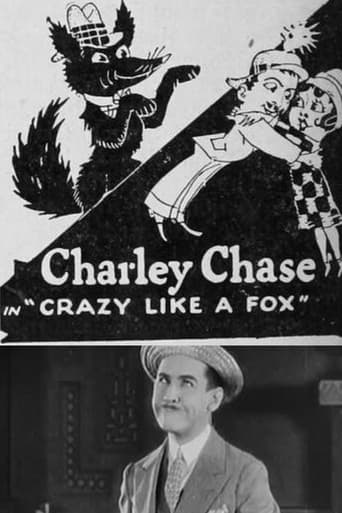
  • The film stars Charley Chase, one of the most important comic performers of the silent era and a major Hal Roach contract player.
  • Leo McCarey directed the film; he later became one of the most celebrated directors of both silent and sound comedy as well as prestige feature films.
  • The title is a pun on the old phrase "wooden wedding," commonly used to mean a fifth wedding anniversary, but here it is turned into a literal gag involving a wooden leg.
  • The story premise depends on anonymous misinformation, a device frequently used in silent comedy to generate misunderstanding without needing much intertitle exposition.
  • Katherine Grant appears as the bride figure in the central romantic setup, while Gale Henry contributes to the comic cast associated with Roach productions.
  • The film is part of the broader Charley Chase silent short series that helped define his screen persona as the exasperated, socially vulnerable everyman.
  • As a 1925 silent comedy short, it was designed for the neighborhood-theatre and vaudeville-era exhibition model, where shorts were often shown alongside features.
  • The film is listed in film databases by the exact title "His Wooden Wedding," but it is easy to confuse with later or differently themed comedy titles because of the punning phrase.
  • It reflects Hal Roach’s strong emphasis on timing, audience sympathy, and expressive reaction-based humor rather than broad chaos alone.
  • Surviving documentation is limited compared with major feature films, making cast and production credits especially important for identification and archival cataloging.

What Critics Said

Contemporary reviews for many Hal Roach shorts were brief or trade-oriented rather than extensively preserved, and detailed surviving criticism for this specific title is limited. In retrospect, the film is generally appreciated by silent-comedy historians and Charley Chase admirers as a solid example of the director-performer partnership with Leo McCarey, especially for its efficient premise and timing. Modern assessments tend to place it within the broader reputation of Chase as an under-acknowledged comic talent whose shorts reward close viewing. Because it is less widely circulated than feature comedies, its reputation rests more on archival and collector interest than on a long mainstream critical canon.

What Audiences Thought

As a silent comedy short, it was originally intended for broad audience enjoyment in theaters, where reaction-based humor and sight gags could play strongly regardless of language barriers. The premise would have been immediately accessible to contemporary viewers familiar with farce, marriage comedy, and the use of anonymous notes as comic catalysts. Today, general audience awareness is limited because the film is not as widely screened as the best-known silent classics, but silent-comedy fans tend to value it for its concise construction and Charley Chase’s expressive performance style. Its humor is still legible to modern viewers, especially the social embarrassment and escalating panic at the center of the plot.

Film Connections

Influenced By

  • Stage farce traditions involving mistaken identity and last-minute revelations
  • Silent-era marriage comedies and embarrassment-based shorts
  • Hal Roach Studio comedy formulas developed in the early 1920s
  • Vaudeville-era sight-gag construction and reaction humor

This Film Influenced

  • Later domestic farces centered on pre-wedding panic
  • Silent and sound comedies using anonymous notes and rumor as plot engines
  • The comic persona of the anxious, respectable everyman in screen comedy

Film Restoration

Preservation status is not consistently documented in widely available mainstream sources for this exact title. The film is known through archival references and database listings, suggesting that at least some preservation or surviving print material exists, but a definitive public-facing restoration history is not commonly cited.

Themes & Topics

weddinganonymous notemisunderstandingwooden legsilent comedyfarcepanicCharley Chase