The Doorway to Hell
"null"
Plot
Louie Ricarno is a ruthless young Chicago gang boss who has built a powerful criminal empire through intimidation, violence, and political influence. After the murder of a rival and the growing danger of his lifestyle, he unexpectedly announces that he wants out of the underworld, plans to retire to Florida, and intends to marry his mistress Dolly while turning the business over to his trusted second-in-command, Little Joe. Louie does not realize that Dolly and Little Joe are secretly lovers and are both eager for his removal, setting in motion a betrayal that exposes the fatal instability of his criminal world. As his associates maneuver for advantage and the police close in, Louie’s attempt to leave crime behind becomes a tragic illustration of the impossibility of escape from a life built on treachery and bloodshed.
About the Production
The film was produced during Warner Bros.' early sound-era gangster cycle, a period when the studio was making fast, hard-edged crime dramas designed to capitalize on the public fascination with organized crime and the new possibilities of synchronized sound. Archie Mayo, who had already developed a reputation for efficient direction across multiple genres, helmed the production with a focus on brisk storytelling, dialogue-heavy confrontations, and the contemporary urban atmosphere associated with late-1920s and early-1930s gangster pictures. Like many early sound films, the production emphasized dialogue and performance over elaborate camera movement, though the film still aimed for a gritty realism characteristic of Warner Bros.' house style. Surviving documentation does not consistently preserve detailed budgetary records, but the film was clearly produced as a mid-range studio programmer rather than an expensive prestige picture.
Historical Background
The Doorway to Hell was made and released in 1930, at the beginning of the Great Depression and during the explosive growth of American sound cinema. Audiences were confronting economic collapse, urban instability, and widespread fascination with organized crime, especially as figures like Al Capone dominated headlines. Hollywood crime films of this period often presented gangsters as both horrifying and oddly glamorous, allowing viewers to experience social transgression while ultimately reaffirming order through punishment or downfall. Warner Bros. became particularly identified with this cycle, and The Doorway to Hell belongs to the studio’s early efforts to define the gangster genre before the stricter censorship regime of the later 1930s altered how crime could be shown on screen. The film matters historically because it helped establish the template of the gangster leader who tries, unsuccessfully, to retire from violence and discovers that the criminal world does not permit honorable exit.
Why This Film Matters
Although not among the most famous gangster films of the early sound era, The Doorway to Hell is significant as an example of how quickly the gangster genre matured in the first years of talking pictures. Its emphasis on betrayal within a criminal hierarchy and the illusion of escape from the underworld helped shape recurring narrative patterns in later crime cinema. The film also reflects Warner Bros.' key role in popularizing a hard-boiled urban sensibility that would influence not only gangster movies but also film noir and later crime dramas. Today it is of particular interest to historians because it sits at the intersection of pre-Code frankness, studio-era crime filmmaking, and the rapid evolution of early sound storytelling.
Making Of
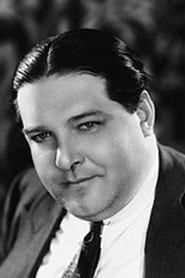
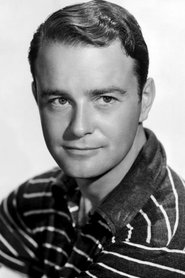
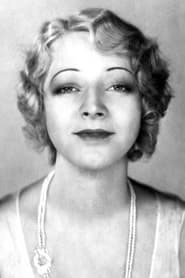
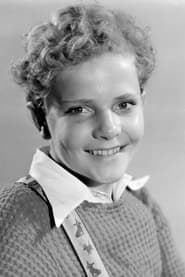
The Doorway to Hell was mounted at Warner Bros. during a period when the studio was producing crime pictures at a remarkable pace, often using them to respond quickly to current events and audience interest in real-life gang violence. Archie Mayo’s direction favored speed, clarity, and toughness, matching the studio’s practical production style rather than aiming for elaborate stylistic experimentation. The casting of Lew Ayres is especially interesting because his screen image in the era was often associated with innocence or moral sensitivity, so placing him at the center of a criminal narrative gave the film an added element of dissonance. The supporting roles, including Dorothy Mathews and Leon Janney, help drive the triangle of greed and betrayal that gives the story its tension, and the film’s compact running time suggests a tightly controlled production designed for rapid theatrical turnover.
Visual Style
The film’s visual style is typical of early 1930s Warner Bros. gangster production: efficient, studio-bound, and oriented around clear storytelling rather than elaborate visual flourishes. Early sound-era cinematography often used relatively static setups to accommodate microphones and dialogue recording, and this film reflects that transitional style. At the same time, the underworld settings, shadowed interiors, and crisp urban staging help create a tense atmosphere appropriate to the material. The cinematography functions primarily to support performances and plot momentum, but it still contributes to the hard-edged, no-nonsense tone associated with early gangster cinema.
Innovations
The film does not appear to have introduced major technical innovations, but it is technically representative of early sound-era studio craftsmanship. Its significance lies in how it manages pace, dialogue, and performance within the constraints of primitive or transitional sound recording methods. The production demonstrates Warner Bros.' growing ability to mount commercially efficient talkies with clear narrative flow. In that sense, its achievement is industrial and stylistic rather than revolutionary: it shows the early gangster film becoming a dependable, repeatable studio product.
Music
As an early sound film, The Doorway to Hell uses spoken dialogue and limited incidental music in a manner typical of 1930 studio production. No widely documented original score is commonly cited in standard references, and surviving information on the music is limited. The film’s sound design is historically notable mainly because it belongs to the first generation of dialogue-driven gangster pictures, where verbal exchanges, accents, and shouted confrontations were central attractions. Rather than a large orchestral identity, the soundtrack would have functioned as support for atmosphere, transitions, and dramatic emphasis.
Famous Quotes
null
Memorable Scenes
- Louie’s shock decision to retire from the gangland business and hand control to Little Joe, a moment that destabilizes the entire criminal hierarchy.
- The scenes in which the hidden affair between Dolly and Little Joe turns Louie’s bid for domestic respectability into a trap.
- The gangland confrontations that reveal how quickly loyalty evaporates when power and money are at stake.
- The ending, in which the attempt to leave crime behind collapses under the weight of betrayal and violence.
Did You Know?
- The film is part of Warner Bros.' influential early talkie gangster cycle, arriving at a time when the studio was defining much of the screen language of American crime drama.
- It stars Lew Ayres, who was then best known for youthful, sympathetic roles, making his turn as a criminal boss notable against his more familiar screen persona.
- Archie Mayo directed a large number of studio productions in the 1930s and was known for handling genre material quickly and effectively.
- The film’s title reflects both the seductive allure and the moral danger of organized crime, a common motif in Depression-era gangland pictures.
- Its plot centers on betrayal inside a criminal organization, a structure that would become one of the most durable templates in later gangster films.
- The film was released shortly before Hollywood's Production Code enforcement became more stringent, placing it in the transitional era when crime films could still be comparatively frank about violence and underworld corruption.
- Like many early sound crime dramas, it relies heavily on sharply delivered dialogue, which was a major selling point in the first years of the talkies.
- The movie is less widely remembered today than some of its more famous contemporaries, but it remains important as an example of Warner Bros.' systematized gangster storytelling in the pre-Code period.
What Critics Said
Contemporary reviews generally treated the film as an effective, if not especially distinguished, crime drama in the Warner Bros. mold, noting its brisk pace and familiarity with gangster-story conventions. Like many early sound films, its reputation was shaped more by its topicality and studio branding than by critical admiration for artistry. In retrospect, critics and historians tend to view it as a solid but lesser-known entry in the pre-Code gangster cycle, valued for what it reveals about the era’s narrative and industrial patterns rather than for major artistic innovation. Its enduring interest lies in its place within the development of the gangster genre and in its participation in Warner Bros.' early talkie identity.
What Audiences Thought
Audience reception appears to have been consistent with that of many Warner Bros. crime pictures of the period: viewers were drawn to the film’s fast pace, sensational underworld setting, and morally charged betrayals. Gangster films were highly popular in the early Depression years, and stories of criminal success followed by collapse had strong box-office appeal because they combined escapism with a form of social warning. While the film has not remained a widely circulated mainstream title in later decades, it likely played well with contemporary audiences looking for current, hard-edged entertainment. Modern audiences most often encounter it as a historical artifact or through classic film archives rather than as a staple of general repertory screening.
Film Connections
Influenced By
- The public fascination with real-life Prohibition-era gangsters and urban crime reporting
- Warner Bros.' own early sound crime films and hard-boiled melodramas
- Stage and literary crime narratives centered on rise-and-fall underworld figures
This Film Influenced
- The Doorway to Hell helped reinforce the gangster-retirement-and-betrayal plot structure later used repeatedly in crime cinema
- Its place in the Warner Bros. gangster cycle contributed to the studio style that would echo in later Depression-era crime dramas
You Might Also Like
More Crime Films
View allMore from Archie Mayo
View allFilm Restoration
The film is not generally regarded as lost and is preserved in surviving archival and home-video sources, though it is not among the most frequently screened Warner Bros. titles. Access can be limited depending on archive holdings and distributor availability, and quality may vary by source. It is best understood as a surviving pre-Code title that remains accessible primarily through classic-film libraries, archival prints, or collector-oriented releases rather than through mainstream circulation.