
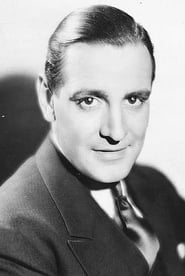
Kenneth Thomson
Actor
Born: November 7, 1899 in New York City, New York, USA Died: January 26, 1967 Active: 1927-1931 Birth Name: Kenneth Thomson Thomson
Films
4 films

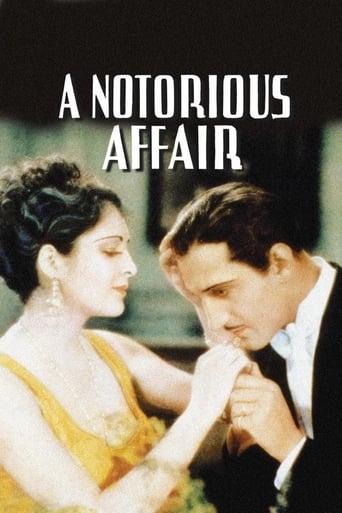
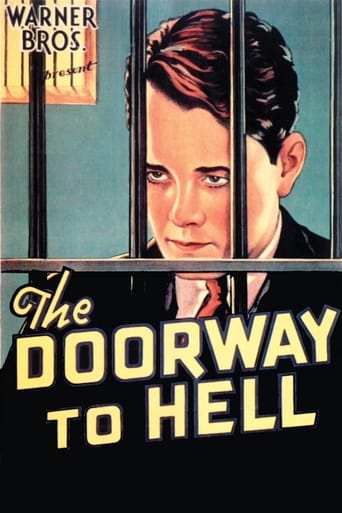
About Kenneth Thomson
American actor who emerged during the pivotal transition from silent films to talkies in the late 1920s. Born in New York City in 1899, Thomson began his film career as the motion picture industry was undergoing its most significant technological transformation. Kenneth appears in several notable early sound films, including the Al Jolson musical 'Say It with Songs' (1929), which showcased his ability to adapt to the new requirements of sound acting. Thomson's career, though brief, spanned the crucial years of 1927 to 1931, during which he worked with some of the era's biggest stars and directors. He typically played supporting roles, often as romantic leads or character parts that required the refined demeanor he brought to his performances. As the film industry consolidated and major studios established their star systems, Thomson's opportunities diminished, leading to his retirement from acting in the early 1930s. He spent his later years away from the spotlight, passing away in Los Angeles in 1967, leaving behind a legacy as one of the many actors who navigated the challenging transition from silent to sound cinema.
The Craft
On Screen
Thomson's acting style reflected the transitional period in which he worked, combining the theatrical gestures of silent film with the more naturalistic delivery required by sound. His performances demonstrated a smooth adaptation to the technical demands of early sound recording, maintaining clear diction and appropriate vocal modulation. He possessed a polished, sophisticated demeanor that made him well-suited for romantic leads and upper-class character roles. His screen presence was characterized by a gentlemanly charm and earnest delivery that appealed to audiences of the early talkie era.
Milestones
- Appeared in Al Jolson's 'Say It with Songs' (1929)
- Transitioned successfully from silent films to talkies
- Worked during the pivotal early sound era
- Appeared in 'The Great Gabbo' (1929)
- Starred in 'Broadway Scandals' (1929)
Best Known For
Iconic Roles
Must-See Films
Working Relationships
Worked Often With
Studios
Why They Matter
Impact on Culture
Kenneth Thomson represents the generation of actors who served as bridges between the silent and sound eras of American cinema. His work in early talkies like 'Say It with Songs' contributed to the development of sound film techniques and helped audiences adapt to the new medium. While not a major star, his performances were part of the foundation that allowed Hollywood to successfully transition to sound, preserving continuity in cinematic storytelling during this revolutionary period. His career exemplifies the challenges and opportunities faced by actors during one of cinema's most significant technological transformations.
Lasting Legacy
Kenneth Thomson's legacy lies in his contribution to early sound cinema during its formative years. As one of the actors who successfully made the transition from silent films to talkies, he represents the adaptability required of performers during this revolutionary period in film history. His appearances in notable early sound productions serve as historical artifacts documenting the evolution of film acting techniques. While his name may not be widely remembered today, his work is preserved in the films that helped establish sound as the dominant medium in cinema, making him part of the foundation upon which modern Hollywood was built.
Who They Inspired
As a supporting actor during the transition to sound, Thomson's influence was primarily through his example of successfully adapting to new film technologies. His performances demonstrated to other actors the possibilities of sound cinema and helped establish acting techniques suitable for the medium. While he didn't mentor specific individuals who went on to greater fame, his work contributed to the collective learning process that the film industry underwent during the late 1920s and early 1930s, influencing how subsequent generations of actors would approach sound performance.
Off Screen
Kenneth Thomson led a relatively private life away from the Hollywood spotlight. He was born into a family that valued education and the arts, which influenced his career choice. During his brief acting career, he maintained a professional reputation and was known for his reliability on set. After retiring from films in the early 1930s, he largely disappeared from public view, focusing on private pursuits. He spent his later years in Los Angeles, where he passed away at the age of 67, having witnessed the complete transformation of the film industry from silent pictures to the modern sound era.
Education
Educated in New York City schools; specific educational institutions not documented
Did You Know?
- His full birth name was Kenneth Thomson Thomson, with Thomson appearing as both first and last name
- He appeared in 'The Show of Shows' (1929), one of Warner Bros.' elaborate all-star revues
- His active years covered only four years during the most tumultuous period in film history
- He worked with Al Jolson during Jolson's peak popularity as 'The World's Greatest Entertainer'
- Appeared in 'The Great Gabbo' (1929), an early sound horror film starring Erich von Stroheim
- His film career ended just as the studio system was solidifying its power in Hollywood
- He was part of the generation that had to completely relearn their craft with the advent of sound
- His last film appearance was in 1931, as the Great Depression was dramatically altering the film industry
In Their Own Words
While no specific quotes from Thomson are documented in historical records, his performances in early talkies demonstrated the clear, articulate delivery necessary for the new sound medium.
Frequently Asked Questions
Who was Kenneth Thomson?
American with credits in this catalog. He appeared in several notable early sound films, including 'Say It with Songs' (1929) starring Al Jolson, and was known for his ability to adapt to the new requirements of sound acting during this revolutionary period in cinema history.
What films is Kenneth Thomson best known for?
Titles linked here include Say It with Songs (1929), The Great Gabbo (1929).
When was Kenneth Thomson born and when did he die?
Born November 7, 1899; died January 26, 1967.
What awards did Kenneth Thomson win?
There are no documented awards or nominations for Kenneth Thomson, which was not uncommon for supporting actors of his era during the early years of sound cinema when formal award systems were still being established.
What was Kenneth Thomson's acting style?
Thomson's acting style combined the theatrical gestures of the silent era with the more naturalistic delivery required by sound films. He was known for his polished, gentlemanly demeanor and clear diction, making him well-suited for the technical demands of early talkie production.