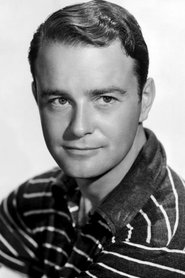
Lew Ayres
Actor
Born: December 28, 1908 in Minneapolis, Minnesota, USA Died: December 30, 1996 Active: 1929-1994 Birth Name: Lewis Frederick Ayres III
Films
2 films
About Lew Ayres
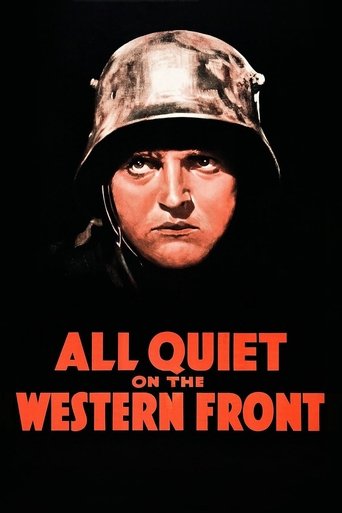
American actor: over sixty years, beginning with a meteoric rise to stardom in the early sound era. Born in Minneapolis, he was discovered while playing banjo in a dance orchestra and made his film debut opposite Greta Garbo in 'The Kiss' (1929). He achieved international immortality as Paul Bäumer in the anti-war masterpiece 'All Quiet on the Western Front' (1930), a role that defined his early persona as a sensitive, thoughtful leading man. During the late 1930s and early 1940s, he became a household name as the title character in the popular 'Dr. Kildare' film series at MGM. His career faced a massive crisis during World War II when he declared himself a conscientious objector, a move that initially drew public ire but eventually earned him respect for his courageous service as a medic and chaplain's assistant under fire. He successfully returned to the screen in the late 1940s, earning an Academy Award nomination for 'Johnny Belinda' (1948) and continuing to work steadily in film and television until the early 1990s.
The Craft
On Screen
Ayres was noted for a quiet, understated, and deeply sincere acting style that favored naturalism over theatricality. He possessed a youthful, earnest quality that made him ideal for playing idealistic characters or professionals like doctors and diplomats. His performances often relied on expressive eyes and a calm, articulate vocal delivery, allowing him to convey profound internal conflict without resorting to histrionics.
Milestones
- Cast as the lead in the Academy Award-winning 'All Quiet on the Western Front' (1930) at age 21
- Starred in nine 'Dr. Kildare' films between 1938 and 1942
- Earned an Academy Award nomination for Best Actor for 'Johnny Belinda' (1948)
- Successfully transitioned to television, receiving Emmy nominations for guest roles
- Produced and directed the acclaimed documentary 'Altars of the World' (1976) exploring global religions
Best Known For
Iconic Roles
Must-See Films
Accolades
Won
- Golden Globe Award for Best Documentary for 'Altars of the World' (1976)
- Hugo Award for Best Dramatic Presentation (1979)
- Life Achievement Award from the Screen Actors Guild (nominated)
- Special Recognition from the National Board of Review
Nominated
- Academy Award Nomination for Best Actor for 'Johnny Belinda' (1948)
- Emmy Award Nomination for Outstanding Single Performance by an Actor in a Leading Role for 'The Mary Tyler Moore Show' (1975)
- Emmy Award Nomination for Outstanding Lead Actor in a Limited Series for 'The Mary Tyler Moore Show' (1971)
Special Recognition
- Two stars on the Hollywood Walk of Fame (one for Motion Pictures at 6385 Hollywood Blvd, one for Radio at 1715 Vine Street)
- Inducted into the American Medical Association's 'Honorary Doctor' list for his portrayal of Dr. Kildare
Working Relationships
Worked Often With
Studios
Why They Matter
Impact on Culture
Lew Ayres had a profound impact on the American public's perception of pacifism. By refusing to bear arms during World War II despite being a major movie star, he forced a national conversation about the rights of conscience. Initially vilified—with theaters threatening to boycott his films—his bravery as a medic in the Pacific theater, where he earned three battle stars, eventually shifted public opinion and helped legitimize the status of conscientious objectors in the eyes of many Americans.
Lasting Legacy
His legacy is twofold: he is remembered as the face of the definitive anti-war film of the 20th century and as a man of immense moral courage. In film history, he remains the quintessential 'Dr. Kildare,' setting the template for medical dramas that followed. His documentary work on world religions also remains a significant contribution to cultural education and interfaith dialogue.
Who They Inspired
Ayres influenced the 'natural' school of acting, moving away from the declamatory style of the silent era toward a more internal, psychological approach. His career path served as a blueprint for actors who wished to maintain a private, spiritually-driven life outside the Hollywood studio system.
Off Screen
Ayres was married three times. His first marriage was to actress Lola Lane (1931–1933), followed by a high-profile marriage to actress Ginger Rogers (1934–1940). He finally found lasting stability with Diana Hall, whom he married in 1964 and remained with until his death. He was a deeply spiritual man with a lifelong interest in Eastern philosophy and comparative religion, which heavily influenced his decision to become a conscientious objector during WWII.
Education
Attended Lake Harriet Intermediate School and West High School in Minneapolis; later studied medicine briefly before pursuing music and acting.
Family
- Lola Lane (1931-1933)
- Ginger Rogers (1934-1940)
- Diana Hall (1964-1996)
Did You Know?
- He was a proficient musician who played the banjo, guitar, and piano professionally before acting.
- He was the first choice to play Dr. Kildare and played the role in nine consecutive films.
- During WWII, he requested to be a non-combatant medic; he served in the invasion of Leyte and provided medical aid under heavy fire.
- He donated most of his military pay to the American Red Cross during the war.
- He was considered for the role of 'The Joker' in the 1960s Batman TV series before Cesar Romero was cast.
- His documentary 'Altars of the World' took three years to film and required travel to 45 countries.
- He was a lifelong vegetarian and an early advocate for holistic health.
- He was once considered for the role of Robin Hood before Errol Flynn was cast.
In Their Own Words
To me, war was the greatest sin of all. I couldn't bring myself to kill other people.
I don't want to be a hero. I just want to do what I think is right.
The Dr. Kildare films were like a second family to me; Lionel Barrymore was like a father.
Acting is a way of exploring the human soul, but religion is the way of healing it.
Frequently Asked Questions
Who was Lew Ayres?
Prominent American with credits in this catalog. Kildare in a series of popular MGM films. He was also famous for his principled stance as a conscientious objector during World War II.
What films is Lew Ayres best known for?
Titles linked here include All Quiet on the Western Front (1930), The Kiss (1929).
When was Lew Ayres born and when did they die?
Born December 28, 1908; died December 30, 1996.
What awards did Lew Ayres win?
While he never won a competitive Oscar, he was nominated for Best Actor for 'Johnny Belinda.' He won a Golden Globe for his documentary 'Altars of the World' and received multiple Emmy nominations for his television work.
What was Lew Ayres's acting style?
Ayres was known for a sincere, quiet, and intellectual acting style. He avoided over-the-top performances, instead focusing on a naturalistic and empathetic portrayal of his characters, which made him particularly effective in roles requiring moral gravity.