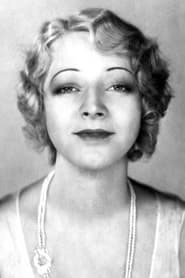
Dorothy Mathews
Actor
- Active
- 1930-1930
Films 1
About Dorothy Mathews
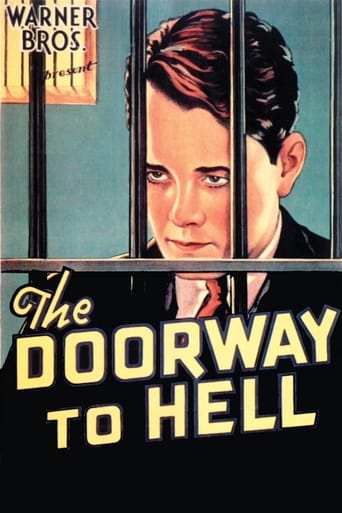
Dorothy Mathews was a very early sound-era film actress whose surviving screen credit places her in the 1930 crime drama The Doorway to Hell, directed by Archie Mayo and starring James Cagney. She appears to have been a minor performer in Hollywood rather than a major star, and available reference sources preserve only limited biographical detail about her life beyond her film work. Because her filmography is extremely small or incompletely documented, she is chiefly remembered as one of the many supporting players who helped populate early gangster and early talkie productions during the transition from silent cinema to sound. Her screen presence belongs to the period when studios were rapidly reshaping performance styles for the microphone, and even small roles in such films contributed to the texture and realism of the new gangster cycle. There is no widely verified record of a long studio career, major star vehicles, or later life in film, which suggests that her screen activity was brief or that documentation has not survived well. As a result, Dorothy Mathews remains a minor but legitimate figure in classic Hollywood history, especially for viewers and researchers of early Warner Bros. crime pictures and obscured supporting-actor careers.
More about Dorothy Mathews
On screen
No detailed contemporary critical description of Dorothy Mathews's acting style appears to survive in readily accessible historical references. Based on the era and the kind of production she is associated with, her performance style would likely have been shaped by early talkie conventions: restrained, physically economical, and adapted to dialogue recording conditions that often discouraged broad silent-era gestures. Without more documented roles, any further characterization would be speculative.
In film history
Dorothy Mathews does not appear to have had major star-level cultural impact, but she is part of an important historical layer of early Hollywood: the supporting and bit-player performers who gave texture and credibility to studio productions. Her presence in The Doorway to Hell connects her to the rise of the gangster cycle, one of the defining genres of pre-Code and early sound cinema. In that sense, her contribution is less about individual fame than about participation in a formative moment when American film language, performance style, and studio genre identity were rapidly evolving.
Later reputation
Her legacy lies primarily in film history and database preservation rather than popular celebrity. For researchers of early Warner Bros. crime films, Dorothy Mathews is one of the names that helps reconstruct the full cast ecology of the early talkie era. She stands as an example of how many performers who worked only briefly on screen nonetheless remain part of the archival fabric of classic Hollywood. Because so little is known about her beyond one surviving credit, her enduring significance is largely documentary: she is a traceable figure in a key transitional period of cinema history.
Influence
There is no evidence that Dorothy Mathews directly influenced major film artists or developed a widely recognized stylistic school. Her broader influence, if any, is indirect and archival: she contributes to the understanding of how supporting actors functioned in early talkies and gangster films. For modern historians, her career underscores the importance of minor performers in sustaining the realism and social milieu of studio-era storytelling.
Off screen
No reliable public biographical details about Dorothy Mathews's personal life are readily documented in standard classic-cinema reference sources. Her marriages, family background, education, and later life appear to be unverified or not widely preserved in accessible film history records. She seems to have been one of the many performers whose private life remained outside the public celebrity culture of the era.
Credits
- Appeared in the early sound gangster film The Doorway to Hell (1930), one of the notable Warner Bros. crime pictures of the period
- Worked during the transition from silent cinema to talkies, when studios were expanding casts for urban crime dramas and socially charged films
- Represents the many lesser-known performers whose supporting work helped shape the atmosphere of early Hollywood genre filmmaking
Roles
- Supporting role in The Doorway to Hell (1930)
Films
- The Doorway to Hell (1930)
Collaborators
- Archie Mayo
- James Cagney
- Warner Bros. early gangster-film ensemble players
Studios
- Warner Bros. (likely, through The Doorway to Hell)
Notes
- Dorothy Mathews is best known from a single surviving classic-era screen credit rather than a large body of work.
- Her known film, The Doorway to Hell, is an early Warner Bros. gangster picture associated with the rise of James Cagney.
- She worked at a time when many film careers were brief or incompletely documented, especially for supporting performers.
- Her biography is difficult to reconstruct because standard reference sources preserve very little personal information.
- She is an example of a classic-Hollywood actor whose historical footprint comes mainly from film credits rather than publicity material.
- Her known activity falls right at the dawn of the sound era, a period of major change in acting technique and studio production.
Questions
Who was Dorothy Mathews?
Dorothy Mathews was a minor classic-era film actor known from early sound cinema, with her best-documented credit being The Doorway to Hell (1930). She appears to have been a supporting performer active during the transition into the talkie era.
What films is Dorothy Mathews best known for?
She is best known for The Doorway to Hell (1930). No other widely verified film credits are readily documented in standard classic-cinema references.
When was Dorothy Mathews born and when did she die?
Her birth date, death date, and place of birth are not reliably documented in the sources available for classic film history. Because of that, those details remain unknown in standard reference records.
What awards did Dorothy Mathews win?
No awards or nominations are currently documented for Dorothy Mathews in available classic-cinema reference material. Her historical importance rests more on her film credit than on formal industry recognition.
What was Dorothy Mathews's acting style?
No detailed critical description of her acting style has survived in widely available sources. Given her era and film context, her work would likely have been shaped by early sound performance conventions, with a restrained style suited to dialogue recording.
What is Dorothy Mathews's legacy in film history?
Her legacy is that of a documented but little-known performer from the early talkie period. She remains significant to historians because supporting players like her helped define the look and feel of classic Hollywood genre films.