Eddie Kane
Actor
Born: August 12, 1889 in St. Louis, Missouri, USA Died: April 30, 1969 Active: 1928-1959 Birth Name: Edward Kane
Films
2 films
About Eddie Kane
Prolific American character actor: over three decades during the Golden Age of Hollywood. Born in St. Louis, Missouri, in 1889, he began his entertainment journey in vaudeville as one half of the comedy duo Kane & Herman before transitioning to the screen during the advent of sound. He quickly established himself as a reliable supporting player, often cast as authoritative figures, fast-talking reporters, or suave urbanites. Throughout the 1930s and 1940s, Kane appeared in hundreds of films, including several Academy Award-winning masterpieces directed by legends like Frank Capra and Michael Curtiz. His versatility allowed him to move seamlessly between gritty crime dramas like 'The Public Enemy' and lighthearted screwball comedies. In his later years, he successfully transitioned to television, notably appearing as the boss of Ralph Kramden in 'The Honeymooners' before retiring in the late 1950s.
The Craft
On Screen
Eddie Kane was known for a polished, professional delivery that made him a favorite for roles requiring a sense of authority or urban sophistication. His background in vaudeville provided him with impeccable comedic timing and a clear, resonant voice that was highly valued during the early 'talkie' era. He often played 'man-about-town' characters, officials, or service professionals with a blend of earnestness and subtle wit.
Milestones
- Appeared in three Academy Award for Best Picture winners: The Broadway Melody (1929), It Happened One Night (1934), and You Can't Take It with You (1938).
- Portrayed the iconic role of Florenz Ziegfeld in 'The Jolson Story' (1946).
- Played the lead detective in the all-star charity short 'The Stolen Jools' (1931).
- Maintained a career with over 250 film and television credits.
- Successfully transitioned from vaudeville to early sound cinema and later to television.
Best Known For
Iconic Roles
Must-See Films
Accolades
Special Recognition
- Recognized as.
- Member of the prestigious Masquers Club of Hollywood.
Working Relationships
Worked Often With
Studios
Why They Matter
Impact on Culture
Eddie Kane represented the 'backbone' of the Hollywood studio system—the dependable character actor who provided texture and realism to the cinematic world. His presence in three different Best Picture winners highlights his involvement in the films that defined American culture during the Great Depression and World War II. By appearing in such a vast array of genres, he helped establish the archetypes of the fast-talking 1930s professional.
Lasting Legacy
Kane's legacy is found in the sheer volume and quality of the films he improved with his presence. While rarely the leading man, his face and voice are inextricably linked to the 'Golden Age' aesthetic. Film historians often cite him as a prime example of the versatile vaudevillian who successfully navigated the technological shift to sound and the later shift to television, maintaining relevance across three decades of evolving media.
Who They Inspired
He influenced the standard for supporting performances in Hollywood, proving that a character actor could have a career as long and varied as any top-billed star. His transition to television also served as a blueprint for other veteran film actors looking to adapt to the new medium in the 1950s.
Off Screen
Eddie Kane was married to Madeleine Kane, who survived him upon his death in 1969. He was a well-respected member of the Hollywood community and active in the Masquers Club, a social group for actors. He lived a relatively quiet life outside of his prolific professional output, eventually retiring to his home in Los Angeles.
Education
Trained in the 'school of hard knocks' on the vaudeville circuit as part of the comedy team Kane & Herman.
Family
- Madeleine Kane (dates unknown, until 1969)
Did You Know?
- He is one of the few actors to appear in three different films that won the Academy Award for Best Picture.
- In the 1931 short 'The Stolen Jools', he plays a detective named after himself who interacts with dozens of top stars like Gary Cooper and Buster Keaton.
- He played the role of Florenz Ziegfeld twice, most notably in 'The Jolson Story' (1946).
- His character in 'The Honeymooners', Mr. Monahan, was the boss of the main character Ralph Kramden.
- He began his career in a vaudeville act called 'Kane & Herman'.
- He appeared in over 250 productions throughout his life.
- He died of a heart attack at his home in Los Angeles at the age of 79.
In Their Own Words
"I'm looking for the jewels!" (Recurring line as the detective in 'The Stolen Jools', 1931)
"The show must go on, and it's going to be the biggest one yet!" (As Florenz Ziegfeld in 'The Jolson Story', 1946)
Frequently Asked Questions
Who was Eddie Kane?
Prolific American character with credits in this catalog. He was a staple of the Golden Age of Hollywood, often playing authoritative or professional roles.
What films is Eddie Kane best known for?
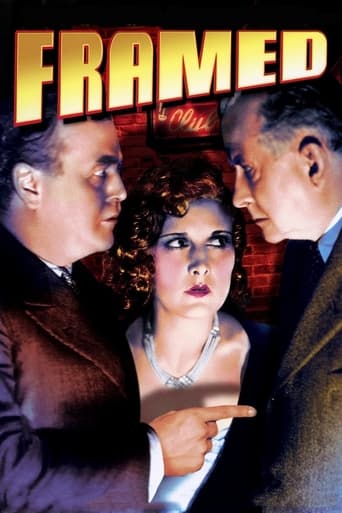
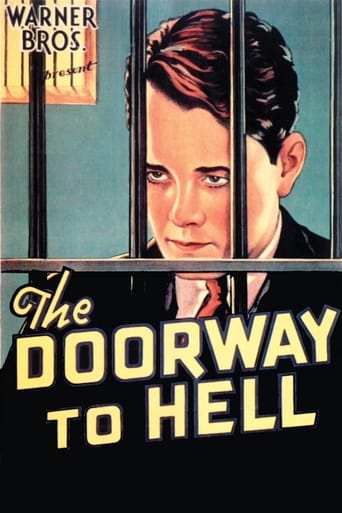
Titles linked here include The Broadway Melody (1929), The Public Enemy (1931).
When was Eddie Kane born and when did he die?
Born August 12, 1889; died April 30, 1969.
What awards did Eddie Kane win?
While he did not win individual Academy Awards, he holds the rare distinction of appearing in three different films that won the Oscar for Best Picture.
What was Eddie Kane's acting style?
He was known for a polished, professional, and fast-talking delivery rooted in his vaudeville background, making him ideal for playing reporters, announcers, and officials.
Did Eddie Kane appear on television?
Yes, in the 1950s he appeared in several television series, most notably playing Ralph Kramden's boss, Mr. Monahan, on 'The Honeymooners'.