
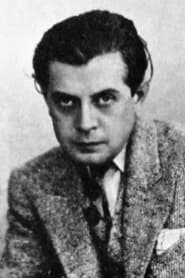
Pál Fejős
Director
Born: January 24, 1897 in Budapest, Austria-Hungary (now Hungary) Died: April 23, 1963 Active: 1927-1931 (film career), 1930s-1960s (anthropology career)
Films
2 films
About Pál Fejős
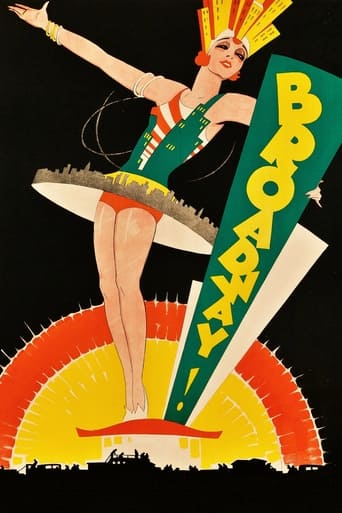
Pál Fejős (also known as Paul Fejos) was a Hungarian-American filmmaker and anthropologist whose brief but brilliant career in cinema on late silent film. Born in Hungary, Fejős initially studied medicine and worked as a surgeon before discovering his passion for filmmaking in the 1920s. He emigrated to the United States where he quickly gained recognition for his innovative directorial techniques and artistic sensibility. His most celebrated works, 'Lonesome' (1928) and 'Broadway' (1929), showcased his mastery of visual storytelling and technical experimentation during the challenging transition from silent to sound cinema. Fejős was particularly noted for his use of innovative camera movements, location shooting, and his ability to capture urban loneliness and romance with remarkable poignancy. After his Hollywood career, he returned to academia and became a anthropologist, eventually heading the Viking Fund's anthropology program. His dual legacy spans both cinematic innovation and anthropological scholarship, making him a unique figure in 20th-century cultural history.
The Craft
Behind the Camera
Fejős was known for his innovative visual style that combined German Expressionist influences with American naturalism. He pioneered extensive location shooting in urban environments, particularly New York City, capturing the loneliness and romance of modern life with remarkable authenticity. His technical innovations included complex camera movements, split-screen effects, and experimental sound techniques during the transition to talkies. Fejős had a distinctive ability to blend documentary realism with poetic storytelling, creating emotionally resonant narratives that focused on ordinary people's lives and struggles.
Milestones
- Directed the acclaimed silent film 'Lonesome' (1928)
- Created the innovative musical 'Broadway' (1929) with early sound techniques
- Pioneered location shooting and mobile camera techniques
- Became Director of the Viking Fund's anthropology program
- Conducted extensive anthropological fieldwork in South America and Asia
Best Known For
Must-See Films
Accolades
Won
Nominated
- Academy Award nomination for Best Art Direction for 'Broadway' (1929)
Special Recognition
- Honored in retrospective screenings at major film festivals including Venice and Cannes
- Recognized as a figure in both cinema and anthropology
Working Relationships
Worked Often With
Studios
Why They Matter
Impact on Culture
Fejós's films represent a crucial bridge between European art cinema and American commercial filmmaking during the silent era's final flowering. 'Lonesome' is particularly significant for its innovative blend of documentary realism and romantic storytelling, capturing the alienation and beauty of modern urban life. His technical experiments with sound in 'Broadway' helped advance the language of early sound cinema. As an anthropologist, he revolutionized the field by applying cinematic techniques to ethnographic documentation, creating a more immersive and humanistic approach to cultural documentation. His dual career exemplifies the interdisciplinary potential of both cinema and anthropology in understanding human experience.
Lasting Legacy
Pál Fejós's legacy spans two distinct but related fields: cinema and anthropology. In film history, he is remembered as a brilliant innovator whose brief Hollywood career produced some of the most artistically sophisticated works of the late silent era. 'Lonesome' in particular is frequently cited by film scholars as a masterpiece of silent cinema that anticipated many later developments in film style and narrative. In anthropology, his work with the Viking Fund helped establish modern ethnographic film as a legitimate research tool and funded countless important anthropological studies. His life demonstrates the potential for cross-disciplinary innovation and the power of visual media to document and interpret human culture.
Who They Inspired
Fejós influenced both filmmakers and anthropologists through his innovative approaches to visual storytelling and cultural documentation. His techniques for capturing urban realism influenced later documentary filmmakers and neorealist directors. His anthropological films inspired generations of ethnographic filmmakers to combine artistic sensibility with scientific rigor. The funding programs he established at the Viking Fund supported many of the 20th century's most important anthropological research projects. His work bridging cinema and anthropology prefigured later developments in visual anthropology and documentary filmmaking.
Off Screen
Fejős led a remarkable dual life as both a filmmaker and scientist. After his medical studies and brief surgical career in Hungary, he married and later divorced before emigrating to the United States. His transition from medicine to film to anthropology reflected his diverse intellectual interests and curiosity about human nature. In his later years, he devoted himself entirely to anthropological research and funding, becoming a respected figure in academic circles. He maintained his Hungarian heritage throughout his life while becoming thoroughly American in his professional outlook.
Education
Medical degree from University of Budapest (1920s), studied anthropology at Columbia University (1930s)
Family
- Inez Levy (1929-1931)
- Miriam Beard (1932-1963, until his death)
Did You Know?
- Originally trained as a surgeon and practiced medicine in Hungary before turning to film
- Changed the spelling of his name to 'Paul Fejos' for American audiences
- 'Lonesome' was partially shot on location in New York City's Coney Island and other actual locations
- Experimented with early sound techniques including color sequences in 'Broadway'
- Left Hollywood at the height of his film career to pursue anthropology
- His anthropological films were among the first to use synchronized sound in ethnographic documentation
- Spent years conducting fieldwork in remote areas of South America and Asia
- The Viking Fund he directed later became the Wenner-Gren Foundation for Anthropological Research
- His films were rediscovered and restored in the 21st century, leading to renewed appreciation of his work
- Was fluent in multiple languages, which helped his anthropological fieldwork
In Their Own Words
I believe the camera should be like a stethoscope, listening to the heartbeat of human life
Film is not just entertainment; it is a tool for understanding humanity
The transition from medicine to film to anthropology was not as strange as it seems - all are attempts to understand and heal human suffering
In the city, millions of people can be completely alone - that is the paradox I tried to capture in 'Lonesome'
Frequently Asked Questions
Who was Pál Fejős?
What films is Pál Fejős best known for?
When was Pál Fejős born and when did he die?
Born January 24, 1897; died April 23, 1963.
What awards did Pál Fejós win?
What was Pál Fejős's directing style?
Fejós's directing style combined German Expressionist influences with American naturalism, featuring innovative camera movements, extensive location shooting, and a focus on urban loneliness and romance. He was particularly skilled at blending documentary realism with poetic storytelling.
Why did Pál Fejós leave filmmaking for anthropology?
Fejós left filmmaking at the height of his Hollywood career to pursue his passion for anthropology, seeing it as another way to study and understand human behavior. He became director of the Viking Fund and made significant contributions to anthropological research and ethnographic filmmaking.
Is 'Lonesome' considered an important film?
Yes, 'Lonesome' is widely considered one of the masterpieces of late silent cinema, praised for its innovative visual style, emotional depth, and technical achievements. It's frequently studied by film scholars for its artistic merit and influence on later filmmakers.