
Films
4 films

About Clara Williams
American silent-film actress best remembered for her work in features made by Thomas H. Ince and for appearing opposite William S. Hart in some of the most admired westerns and dramas of the mid-1910s. Her screen career, as far as surviving documentation shows, was concentrated in a very brief period between 1914 and 1916, during which she appeared in films such as The Bargain (1914), The Italian (1915), and Hell's Hinges (1916). In the production environment of the Ince studio system, Williams was part of the ensemble of performers who helped define the emotional realism and visual polish associated with early American feature filmmaking. She is often remembered for bringing a quiet, expressive presence to silent roles, where nuance, gesture, and facial expression carried the dramatic weight in place of spoken dialogue. Because her career occurred so early in film history and was relatively short, surviving biographical information about her personal life is limited, and many standard reference works provide only basic film credits rather than a full life story. Even so, her work in these landmark films places her within an important moment in the development of the American feature film. Today she is chiefly valued by silent-cinema historians and classic-film fans for her association with major early western and dramatic productions that remain part of the canon of silent-era cinema.
The Craft
On Screen
Clara Williams's acting style, as preserved through her surviving film appearances and the conventions of the period, would have relied on restrained but highly legible silent-era technique: expressive facial work, controlled gesture, and physically clear emotional timing. In the 1910s, actresses in serious drama and westerns were expected to communicate character and inner feeling without dialogue, and Williams appears to have fit that model of naturalistic but readable screen performance. Her roles in Ince productions suggest a style suited to realistic settings rather than broad melodrama, with an emphasis on sincerity, vulnerability, and support of the ensemble narrative. Like many silent performers of the period, her technique would have been shaped by stage-derived discipline while adapting to the camera's demand for economy and clarity.
Milestones
- Appeared in The Bargain (1914), a significant early western feature associated with William S. Hart and Thomas H. Ince.
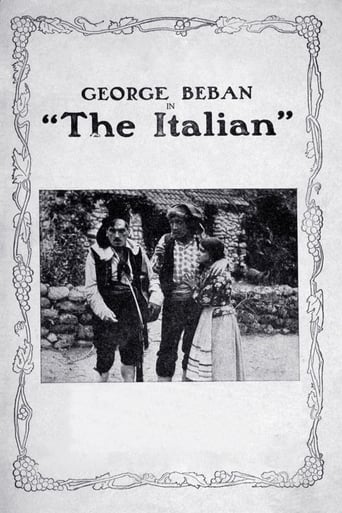
- Appeared in The Italian (1915), one of the notable silent-era drama features of the mid-1910s.
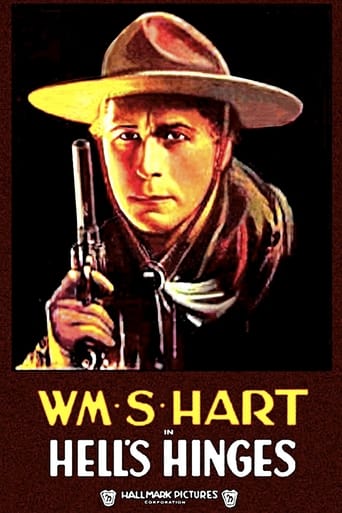
- Appeared in Hell's Hinges (1916), a widely admired and historically important silent western.
- Worked during the formative years of the American feature film, when acting style, star personas, and studio production methods were rapidly evolving.
- Was part of the Thomas H. Ince production orbit, which was central to the development of industrialized, story-driven silent filmmaking.
Best Known For
Iconic Roles
Must-See Films
Working Relationships
Worked Often With
Studios
Why They Matter
Impact on Culture
Clara Williams's cultural impact lies less in celebrity biography than in her participation in a foundational phase of American cinema. Her work in early western and dramatic features helped shape the visual language and emotional credibility of the silent feature film at a time when the industry was still standardizing its storytelling methods. By appearing in productions associated with Thomas H. Ince and William S. Hart, she contributed to films that helped establish the western as a serious cinematic form rather than mere novelty entertainment. For modern viewers and historians, actresses like Williams are important because they represent the working performers whose craft made the silent era legible, moving, and commercially viable. Even when not individually famous in the way later stars became, she remains part of the historical fabric of early Hollywood's development.
Lasting Legacy
Her legacy is primarily as a preserved name in silent-film history attached to a few important titles from the 1910s. The surviving record of her career demonstrates how many early film performers contributed to major productions yet left behind limited personal documentation, making film credits themselves the main evidence of their work. Because The Bargain, The Italian, and Hell's Hinges are still discussed in silent-cinema scholarship, her name continues to circulate among historians and enthusiasts who study the era's performers. In that sense, her lasting legacy is the representation of an entire generation of silent actors whose craft supported the emergence of feature-length narrative film. She is remembered as part of the early ensemble tradition that helped define the professional standards of classical Hollywood.
Who They Inspired
Clara Williams's influence was likely indirect rather than widely documented through later mentorship or celebrity imitation. Her work contributed to the performance standards of silent-era screen acting, particularly within the more restrained, realistic style associated with Ince productions. By participating in important early westerns and dramas, she helped establish the emotional credibility and visual storytelling techniques that later actors and filmmakers inherited. Her influence is best understood as part of the collective contribution of early screen actors who helped normalize feature-film acting as a distinct art form separate from stage performance.
Off Screen
Very little reliable public information is readily available about Clara Williams's personal life, and standard classic-film references tend to emphasize her film appearances rather than family details. No confidently verified biographical record has been established here for marriages, children, education, or later life. This lack of documentation is common among many silent-era performers whose careers were brief and whose private lives were not widely reported in the trade press. As a result, her known history remains primarily a screen history tied to a small but significant cluster of films.
Did You Know?
- She is chiefly associated with the silent era and appears to have worked only in a short span of film history.
- Her known filmography includes.
- She worked in the same historical production orbit as William S. Hart and Thomas H. Ince, both major names in early American cinema.
- Because many early film records are incomplete, her personal biography is much less documented than her screen credits.
- She is an example of a silent-era actress whose reputation survives primarily through film history rather than celebrity press coverage.
- Her surviving film credits place her in the years when Hollywood was still consolidating into a major production center.
Frequently Asked Questions
Who was Clara Williams?
American silent-film actress active in the mid-1910s. She is best remembered for appearances in The Bargain, The Italian, and Hell's Hinges, films associated with the early development of feature-length cinema.
What films is Clara Williams best known for?
Titles linked here include The Bargain (1914), The Italian (1915).
When was Clara Williams born and when did she die?
Her birth and death dates are not confidently documented in the available surviving reference record used here. Many silent-era performers have incomplete biographical data, especially when they had brief screen careers.
What awards did Clara Williams win?
No major awards or nominations are currently documented for Clara Williams in the surviving historical record. This is not unusual for silent-era actors, since formal award systems for film were not yet established during her active years.
What was Clara Williams's acting style?
Her acting style would have been typical of the more restrained, expressive silent-film approach, using facial expression and physical gesture to communicate emotion clearly. Her work in Ince-produced films suggests a performance style that supported realism, mood, and narrative clarity rather than overt theatrical excess.
What is Clara Williams's legacy in film history?
Her legacy is as a participant in the formative years of the American feature film, especially in important silent westerns and dramas. She remains of interest to historians because her credited appearances link her to landmark productions that helped shape classic Hollywood storytelling.