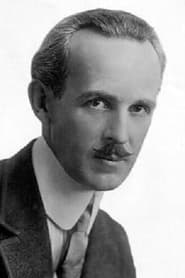
Howard Hickman
Actor
Born: February 9, 1880 in Columbia, Missouri, USA Died: December 31, 1949 Active: 1909-1934 Birth Name: Howard C. Hickman
Films
2 films
About Howard Hickman
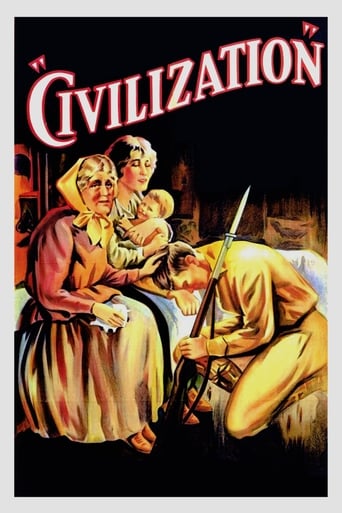
Howard C. Hickman — American actor, director, and screenwriter who made significant contributions to early cinema during the silent era and transition to sound films. Born in Missouri in 1880, Hickman began his career on the stage before transitioning to films around 1909, quickly establishing himself as a reliable leading man in silent pictures. He achieved notable success with his role in Thomas H. Ince's pacifist epic 'Civilization' (1916), which showcased his ability to handle dramatic material with gravitas and emotional depth. Hickman expanded his career behind the camera, directing numerous films throughout the 1910s and 1920s, often working with his wife, actress Bessie Barriscale, in productions they created together. His the evolution of American cinema from its primitive beginnings to the sophisticated studio system of the 1930s. While his star faded somewhat with the advent of sound, Hickman continued working as a character actor in supporting roles throughout the early 1930s. He retired from acting in the mid-1930s after a career that encompassed over 150 film appearances and dozens of directing credits, leaving behind a substantial body of work that represents the transition from theatrical to cinematic acting styles.
The Craft
On Screen
Howard Hickman's acting style was characteristic of the transitional period between stage melodrama and naturalistic cinema. His performances featured the broad, expressive gestures typical of silent era actors, but he also brought a subtlety and emotional authenticity that set him apart from many of his contemporaries. In dramatic roles, particularly in 'Civilization,' Hickman demonstrated remarkable range, conveying complex emotions through facial expressions and body language that translated well to the silent medium. As sound films emerged, his stage-trained voice allowed for a smoother transition compared to many silent stars, though his style retained elements of the theatrical tradition in which he was trained.
Milestones
- Starred in Thomas H. Ince's anti-war epic 'Civilization' (1916)
- Directed and produced numerous films with wife Bessie Barriscale through their own production company
- Successfully transitioned from silent films to early talkies
- Appeared in over 150 films as an actor
- Directed approximately 40 films during the 1910s and 1920s
Best Known For
Iconic Roles
Must-See Films
Accolades
Special Recognition
- Star on the Hollywood Walk of Fame for Motion Pictures at 6701 Hollywood Boulevard
Working Relationships
Worked Often With
Studios
Why They Matter
Impact on Culture
Howard Hickman's cultural impact lies primarily in his role as a bridge between theatrical and cinematic traditions during the formative years of American cinema. His performance in 'Civilization' (1916) contributed to. As part of Thomas Ince's production team at Triangle, Hickman participated in the development of the studio system that would dominate Hollywood for decades. His work behind the camera as a director and producer, particularly in partnership with his wife Bessie Barriscale, represented one of the early examples of creative couples working as equal partners in the film industry. Hickman's career trajectory from leading man to character actor mirrored the industry's evolution from the star-driven silent era to the more ensemble-oriented sound period.
Lasting Legacy
Howard Hickman's legacy in film history is that of a versatile and reliable figure who successfully navigated the dramatic changes in American cinema from the 1910s through the 1930s. While not remembered as a major star today, his substantial body of work provides valuable documentation of the transition from stage-based melodrama to naturalistic film acting. His role in 'Civilization' ensures his place in film history as part of. The professional partnership with his wife Bessie Barriscale represents an early model of creative collaboration between spouses in Hollywood, predating more famous examples like Alfred Hitchcock and Alma Reville. Hickman's career serves as a representative example of the journey of many competent, professional actors who formed the backbone of the early film industry.
Who They Inspired
Howard Hickman's influence on later generations of actors and filmmakers is primarily indirect, through his contributions to the development of film acting techniques during the silent era. His work with Thomas Ince helped establish production methods and storytelling approaches that would become standard in Hollywood. The production company he formed with Bessie Barriscale provided an early model for independent film production that would inspire future generations of filmmakers seeking creative control outside the studio system. His successful transition from silent to sound films demonstrated the importance of adaptability in an industry undergoing rapid technological change, a lesson that resonated with many performers who followed in his footsteps.
Off Screen
Howard Hickman married actress Bessie Barriscale in 1915, forming both a personal and professional partnership that would define much of his career. The couple became one of Hollywood's early power couples, often working together on film projects and even forming their own production company. Their marriage lasted until Hickman's death in 1949, spanning over three decades during which they weathered the dramatic changes in the film industry. The couple had one daughter, Leola Hickman, who also briefly worked in the entertainment industry. Hickman was known as a devoted family man who maintained a stable home life despite the upheavals common in early Hollywood circles.
Education
Limited formal education details available, likely educated in Missouri schools before pursuing theater career
Family
- Bessie Barriscale (1915-1949, his death)
Did You Know?
- Howard Hickman and his wife Bessie Barriscale formed their own production company, Hickman-Barriscale Productions, in the late 1910s
- His role in 'Civilization' (1916) was particularly significant as the film was
- Hickman began his career on the stage before transitioning to films around 1909
- He directed his wife in numerous films, understanding her strengths as an actress better than most directors
- During his peak years as a leading man, he was often compared to the more famous actor Wallace Reid
- Hickman was one of the few silent film actors who successfully transitioned to character roles in sound films
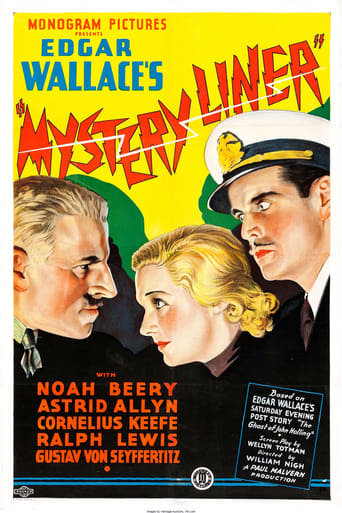
- His final film appearance was in 'Mystery Liner' (1934), after which he retired from acting
- He was a founding member of the Motion Picture Directors Association in 1915
- Hickman often played aristocratic or upper-class characters due to his dignified bearing and stage training
- Despite his substantial filmography, relatively few of his films survive today, as is common with many silent era productions
In Their Own Words
The motion picture is the greatest educational and moral force in the world today.
Regarding his belief in cinema's potential for social influence, particularly in context of 'Civilization'
In pictures, one must learn to think with the camera, not with the words.
On the transition from stage to film acting
Frequently Asked Questions
Who was Howard Hickman?
American actor, on YTB.my. He appeared in over 150 films and was particularly known for his role in the 1916 epic 'Civilization' and his frequent collaborations with his wife, actress Bessie Barriscale.
What films is Howard Hickman best known for?
Titles linked here include Civilization (1916), The Family Honor (1917).
When was Howard Hickman born and when did he die?
Born February 9, 1880; died December 31, 1949.
What awards did Howard Hickman win?
While Howard Hickman did not receive major film awards during his career, he was honored with a star on the Hollywood Walk of Fame for Motion Pictures at 6701 Hollywood Boulevard, recognizing his contributions to cinema.
What was Howard Hickman's acting style?
Howard Hickman's acting style was characteristic of the transitional period between stage and film, featuring the expressive gestures typical of silent era actors but with a subtlety and emotional authenticity that set him apart. He successfully adapted his style for sound films, bringing his stage-trained voice to talkies.