Claire Du Brey
Actor
Born: August 31, 1892 in Bonners Ferry, Idaho, USA Died: August 1, 1993 Active: 1916-1944 Birth Name: Clara Violet Dubreyvich
Films
3 films

About Claire Du Brey
Prolific American character actress: nearly three decades of Hollywood's golden age, from the silent era through the transition to sound. Born Clara Violet Dubreyvich, she began her film career in 1916 and quickly established herself as a versatile supporting actress, appearing in over 200 films throughout her career. She worked extensively with major studios including Paramount, Universal, and MGM, often playing mothers, society women, and villainous characters. Du Brey successfully transitioned from silent films to talkies, demonstrating remarkable adaptability as the industry evolved. Claire appears in numerous notable productions alongside Hollywood's biggest stars, though she rarely received top billing. Her career declined in the 1940s, and she made her final film appearance in 1944. Despite never achieving stardom status, Du Brey's longevity and consistent work made her a familiar face to audiences of her era.
The Craft
On Screen
Du Brey was known for her versatility as a character actress, adept at playing both sympathetic and unsympathetic roles. Her silent film performances emphasized expressive facial features and body language, while her transition to sound revealed a clear, well-modulated speaking voice. She specialized in supporting roles, often portraying society matrons, mothers, or villainous women with equal conviction. Her acting style was naturalistic yet theatrical, typical of the period, allowing her to adapt to various genres from melodramas to comedies.
Milestones
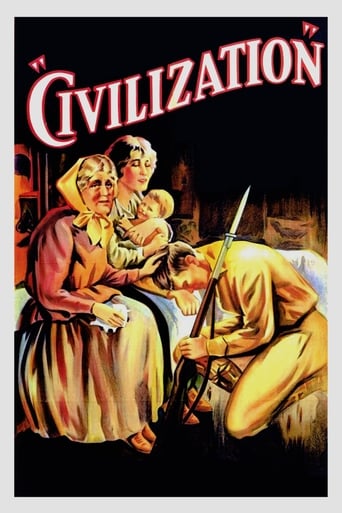
- Film debut in Civilization (1916)
- Appeared in over 200 films during her career
- Successfully transitioned from silent films to talkies
- Worked with major Hollywood studios including Paramount and Universal
- Appeared in The Sea Hawk (1924) opposite Milton Sills
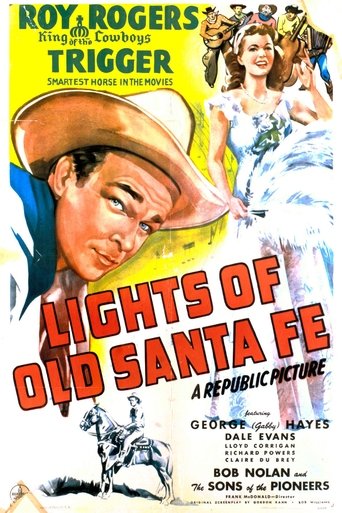
- Final film appearance in Lights of Old Santa Fe (1944)
Best Known For
Iconic Roles
Must-See Films
Working Relationships
Worked Often With
Studios
Why They Matter
Impact on Culture
Claire Du Brey represents the quintessential Hollywood character actress who formed the backbone of the studio system. While never achieving star status, her consistent presence in hundreds of films helped define the visual language of both silent and early sound cinema. Her career trajectory mirrors the evolution of Hollywood itself, from the epic spectacles of the silent era to the more intimate dramas of the 1930s and 1940s. As a working actress who successfully navigated the industry's massive technological and artistic changes, she exemplified the adaptability required for longevity in early Hollywood.
Lasting Legacy
Du Brey's legacy lies in her remarkable filmography of over 200 movies, making her. Her work serves as a valuable record of Hollywood's transition from silent films to talkies, preserving the acting styles and storytelling techniques of multiple eras. Film historians and silent cinema enthusiasts continue to study her performances as examples of typical supporting roles in Golden Age productions. Her longevity, living to be 100, made her a living connection to cinema's earliest days until her death in 1993.
Who They Inspired
As a reliable character actress, Du Brey influenced subsequent generations of supporting players by demonstrating the value of versatility and professionalism. Her ability to play diverse roles across different genres showed aspiring actors that a successful career didn't require stardom. Her smooth transition from silent to sound films provided a model for other actors facing the industry's technological revolution. Many character actresses who followed in the studio system benefited from the professional standards and work ethic that performers like Du Brey helped establish.
Off Screen
Claire Du Brey led a relatively private personal life despite her long Hollywood career. She married actor and director B. Reeves Eason in 1916, though the marriage ended in divorce. Later in life, she married William S. Hoey. She lived to be 100 years old, dying just weeks before her 101st birthday in 1993. Her longevity made her one of the last surviving actresses from the silent era. She spent her final years in Los Angeles, having witnessed nearly the entire history of Hollywood's golden age.
Family
- B. Reeves Eason (1916-1921)
- William S. Hoey (1925-1948)
Did You Know?
- She appeared in Cecil B. DeMille's epic The Ten Commandments (1923)
- Her real surname was Dubreyvich, which she shortened for her stage name
- She worked with her first husband B. Reeves Eason on several films
- She was one of the last surviving actors from the silent film era upon her death
- She appeared in both silent and sound versions of The Phantom of the Opera
- Her active years covered the entire transition from silent films to modern sound cinema
- She often played maternal roles despite never having children
- She worked with virtually every major studio in Hollywood during her career
- She appeared in films alongside stars like Mary Pickford, Douglas Fairbanks, and Lon Chaney
- Her final film appearance was in a Western, showing her continued versatility
Frequently Asked Questions
Who was Claire Du Brey?
Screen credits include over 200 films from 1916 to 1944, working successfully through both the silent era and the transition to sound films. She specialized in supporting roles, often playing society women, mothers, and villainous characters for major Hollywood studios.
What films is Claire Du Brey best known for?
Titles linked here include Civilization (1916), The Sea Hawk (1924).
When was Claire Du Brey born and when did she die?
Born August 31, 1892; died August 1, 1993.
What awards did Claire Du Brey win?
Despite her extensive filmography, Claire Du Brey did not receive major awards or nominations during her career. Like many character actors of her era, her contributions were recognized through consistent employment rather than formal accolades.
What was Claire Du Brey's acting style?
Du Brey was known for her versatility as a character actress, adept at both silent and sound performance. Her style emphasized expressive facial features in silent films and clear, well-modulated speech in talkies, allowing her to portray diverse characters from sympathetic mothers to villainous society women.
How did Claire Du Brey transition from silent to sound films?
She successfully navigated the transition from silent to sound films in the late 1920s, demonstrating adaptability that many of her contemporaries lacked. Her clear speaking voice and established reputation as a reliable character actress helped her maintain steady work throughout the technological change.
Was Claire Du Brey married?
Yes, she was married twice - first to actor-director B. Reeves Eason from 1916 to 1921, and later to William S. Hoey from 1925 until his death in 1948. She had no children from either marriage.