1917 · approximately 50-60 minutes

Also available on: Archive.org
The Silent Man

The Silent Man

1917 approximately 50-60 minutes United States
Frontier justiceFalse accusationGreed and land theftRevenge versus moral restraintIdentity and reputation

Plot

A hard-working prospector arrives in the boomtown of Bakeoven determined to stake and protect a valuable claim, but his honesty and rough-edged independence make him an easy target for local schemers. After his rights are stolen from him, he is falsely branded an outlaw and his likeness appears on "Wanted" posters, forcing him into the role of hunted man rather than respected laborer. He becomes obsessed with clearing his name and exacting justice, moving through a world of greed, deception, and frontier violence. The story builds toward a confrontation in which the prospector must reclaim both his claim and his dignity, with William S. Hart's characteristic blend of grim determination, moral severity, and emotional restraint driving the drama.

About the Production

Release Date 1917-06-03
Production C. C. Burr Film Corp.
Filmed In United States, California

The Silent Man was a William S. Hart western produced during the period when Hart had become one of the most prominent and commercially reliable stars of the silent era. Like many Hart pictures, it emphasized realism, moral conflict, and a tougher, less romanticized view of the American West than the lighter frontier adventures of some contemporaries. Surviving production documentation is limited, so exact budgetary figures, box-office receipts, and detailed shooting logs are not well documented in widely accessible sources. The film was created in the context of Hart's tightly controlled screen persona, which often centered on men of integrity pushed into violence by injustice.

Historical Background

The Silent Man was released in 1917, during the height of World War I and at a moment when the American film industry was rapidly consolidating its dominance in world cinema. Silent westerns were one of the most popular genres of the period, but Hart's films stood out for their seriousness and their attempt to present the West as a place of moral testing rather than simple adventure. The film also emerged during a transitional phase in American filmmaking, when star-driven independent production and national distribution networks were becoming increasingly important. Its concern with stolen labor, false accusation, and frontier injustice resonated with audiences living through a period of social change, industrial unrest, and wartime uncertainty.

Why This Film Matters

The Silent Man is culturally significant as part of William S. Hart's enduring contribution to the western genre, especially his transformation of the cowboy from a flamboyant escapist figure into a somber, wounded, ethically complex character. Hart helped define the "adult western," a mode that would influence later filmmakers interested in realism, loneliness, violence, and the consequences of frontier lawlessness. Even when individual Hart films are not widely seen today, they remain crucial in film history because they established many of the emotional and visual conventions later westerns would build upon. The film also reflects early cinema's fascination with identity, injustice, and the lawless instability of boomtown America, themes that continued to echo throughout later American genres.

Making Of

The Silent Man was made at a time when William S. Hart had enormous creative influence over his westerns, and his films were often shaped to showcase his preferred themes of honor, hardship, and the moral costs of violence. Hart had a reputation for grounding western stories in physical authenticity, carefully chosen costumes, rugged landscapes, and restrained acting that contrasted with more flamboyant melodrama. The production likely followed the efficient working methods common to silent-era westerns, with limited surviving behind-the-scenes records beyond cast and release documentation. As with many Hart films, the emphasis was not on spectacle for its own sake but on character conflict and the psychological burden of being wrongly accused or socially ostracized.

Visual Style

As a silent western of the 1910s, The Silent Man would have relied on expressive framing, outdoor exteriors, and clear visual staging to communicate plot and emotion without synchronized dialogue. Hart's films commonly used stark compositions that emphasized isolation, conflict, and the rough physicality of frontier life. The cinematography likely favored practical daylight shooting and straightforward coverage that kept attention on the actor's face, body language, and the escalating tension between the characters. While specific camera personnel and shot innovations are not widely documented for this title, the visual style fits the broader Hart tradition of austere, narrative-driven western imagery.

Innovations

The Silent Man is not known for a specific groundbreaking technical innovation, but it represents the mature craft of silent western storytelling: economical intertitles, readable action staging, and a strong reliance on physical performance. Its significance is more historical than technological, showing how filmmakers of the era could sustain tension and character development through visual means alone. The film also demonstrates Hart's ability to use genre conventions in a disciplined, emotionally serious way that helped elevate the artistic reputation of westerns. As with many films of its type, the technical achievement lies in the clarity of the storytelling rather than in overt experimental technique.

Music

As a silent film, The Silent Man did not have an original synchronized soundtrack. Exhibition would have been accompanied by live music that varied from theater to theater, often using a pianist, organist, or small ensemble, with cue sheets or improvised selections tailored to the action on screen. Any modern presentations may use reconstructed or newly composed accompaniment depending on the archive or distributor. No single definitive original score is widely documented.

Famous Quotes

null

Memorable Scenes

  • The prospector's entrance into Bakeoven, where a man seeking honest claim work becomes entangled in a hostile frontier town.
  • The moment his claim is stolen and his name or likeness is transformed into a public accusation through "Wanted" posters.
  • The buildup to the revenge plot, in which the falsely accused man must decide how far he is willing to go to restore justice.
  • The final confrontation that resolves the conflict between stolen property, false reputation, and frontier retribution.

Did You Know?

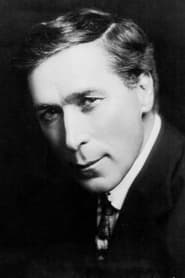
  • This film is a William S. Hart vehicle, and Hart was not only the star but also the director, a dual role he occasionally assumed on his productions.
  • The Silent Man belongs to Hart's late-1910s western output, a period in which he refined his trademark stoic, morally serious western hero.
  • The plot centers on a prospector rather than a gunslinger, reflecting Hart's frequent preference for working-class and frontier labor characters.
  • Its title is characteristic of Hart's screen persona: a man of few words whose actions carry the emotional weight of the story.
  • The film is associated with C. C. Burr Film Corp., one of the independent companies involved in releasing Hart pictures in this era.
  • It is one of the many silent westerns whose plot survives more fully in synopses than in extensive scene-by-scene documentation.
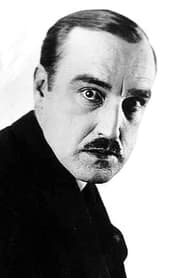
  • Robert McKim, listed among the cast, was a familiar screen villain in silent cinema and often played antagonistic roles that suited this kind of frontier melodrama.
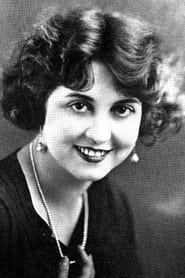
  • Vola Vale appeared in a number of silent-era productions, and her presence typically added a romantic or sympathetic counterbalance to Hart's stern masculinity.
  • The film reflects Hart's recurring theme of a decent man forced by injustice into apparent outlawry, a pattern common to several of his best-known westerns.
  • Because it is a 1917 silent film, original music was not fixed to a single official score, and accompaniments would have varied by theater and venue.

What Critics Said

Contemporary reviews of many William S. Hart westerns were generally favorable, praising Hart's authority, restraint, and ability to bring gravity to frontier stories, though detailed surviving reviews for this specific title are scarce. At the time of release, audiences and critics typically valued Hart's films for their seriousness and for the star's credibility as a rugged, authentic western figure. Modern appraisal tends to situate The Silent Man within Hart's broader body of work rather than treating it as one of his most famous titles, but it is still recognized as part of the important run of silent westerns that helped shape the genre. Surviving documentation suggests that its appeal lies less in technical novelty than in Hart's controlled performance style and the familiar but effective revenge-and-justice narrative.

What Audiences Thought

Specific audience records for The Silent Man are limited, as detailed box-office reporting for many 1917 releases was not systematically preserved. However, William S. Hart was a major box-office attraction in the silent era, and his westerns generally drew audiences who appreciated the blend of action, moral drama, and frontier authenticity. The film's premise of a man falsely marked as a wanted outlaw would have been an immediately engaging setup for silent-era audiences, who favored clear visual storytelling and emotionally direct conflict. Its reception can be understood as part of the reliable popularity of Hart's persona rather than as a singularly documented hit or flop.

Film Connections

Influenced By

  • Traditional dime-novel westerns and frontier melodramas
  • Earlier silent westerns centered on outlawry and revenge
  • William S. Hart's established screen persona and previous western successes

This Film Influenced

  • Later serious silent westerns emphasizing moral conflict and social realism
  • The adult western tradition developed in the 1920s and beyond
  • Character-centered frontier dramas that portray outsiders forced into outlaw status

Film Restoration

The film is known to survive in some form through archival records and circulating references, but its completeness and current preservation status are not as widely documented as those of Hart's more frequently preserved titles. It is not generally treated as a completely lost film in major reference contexts, though access may be limited and surviving materials may be incomplete or held in archives rather than broadly distributed. If a modern viewing copy exists, it is most likely through an archive, specialist preservation source, or curated classic-film collection rather than mainstream commercial circulation.

Themes & Topics