Riddle Gawne
"null"
Plot
Riddle Gawne is a revenge-driven Western melodrama centered on a rancher whose life is shattered by betrayal and murder. When Gawne discovers his brother dying, he learns that the killer has fled with his brother’s wife, setting him on a relentless path of vengeance across the frontier. As he closes in on the man responsible, the story folds in the familiar silent-era conflicts of honor, jealousy, mistaken loyalty, and the lawlessness of the West. The film builds toward a confrontation in which personal justice, rather than formal law, determines the outcome, reflecting the moral intensity typical of William S. Hart’s western persona.
About the Production
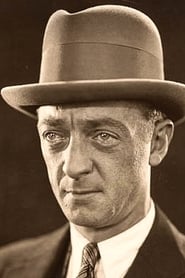
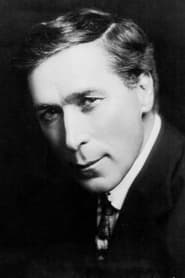
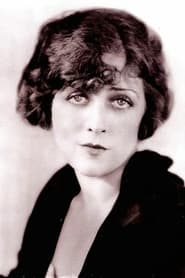
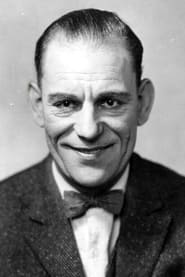
Riddle Gawne was made during the peak of William S. Hart’s influence as a producer-performer in American westerns, with Lambert Hillyer directing a vehicle built around Hart’s rugged, morally serious screen image. Like many productions from the late silent era, detailed production records are sparse, and surviving documentation does not provide reliable budget, location, or box-office figures. The film is also notable for featuring Katherine MacDonald and Lon Chaney in supporting roles, which places it at an interesting intersection of star power in the silent era. Contemporary sources indicate it was a dramatic western rather than a broad action picture, emphasizing atmosphere, character conflict, and the code of the frontier.
Historical Background
Riddle Gawne was released in 1918, during the final year of World War I and at a moment when American cinema was becoming increasingly dominant internationally. The western genre was still taking shape as a major commercial form, and William S. Hart was one of the key figures defining what a serious screen western could look like. His films were important because they moved away from purely sensational action toward a rough-hewn moral realism, often presenting the West as a place of guilt, retribution, and hard choices. In cultural terms, this film belongs to the silent-era phase when star persona mattered enormously, and Hart’s reputation for authenticity and rugged dignity was a major selling point for audiences.
Why This Film Matters
Although not as widely remembered today as some of Hart’s landmark westerns, Riddle Gawne is significant as part of the cycle that helped establish the adult, psychologically weighted western. Films like this contributed to the genre’s evolution from simple chase-and-shoot adventures into stories about personal code, betrayal, and frontier justice. The presence of Lon Chaney is also culturally notable, since it connects the picture to one of the era’s great actors of transformation and suggests the overlapping star systems that defined silent Hollywood. For historians, the film is valuable as evidence of how studio-era westerns balanced action with melodrama and star-driven emotional conflict.
Making Of
Riddle Gawne was produced at a time when William S. Hart had substantial control over the westerns bearing his name, allowing him to shape stories around the themes he preferred: honor, punishment, and emotional hardening under frontier conditions. Lambert Hillyer’s direction likely emphasized stark visual storytelling and pacing suited to silent melodrama, relying on expressive acting and clear visual geography rather than intertitles-heavy exposition. Casting Katherine MacDonald and Lon Chaney suggests an effort to strengthen the film’s dramatic appeal beyond a routine western, since both actors were capable of drawing audience interest in other genres. Surviving production documentation is limited, so many day-to-day details of the shoot, locations, and set construction are not firmly established in widely accessible records.
Visual Style
The film’s cinematography is characteristic of late 1910s silent western production, likely emphasizing strong contrast, readable staging, and open compositions that highlight the moral and physical isolation of the frontier. Silent westerns of this period often relied on medium and long shots for action clarity, with close views reserved for emotional emphasis, and Riddle Gawne fits that style. Because Hart westerns were often praised for a grounded visual feel, the film likely used naturalistic exterior settings and carefully arranged stunt or action business to convey authenticity. Surviving detailed shot-by-shot analysis is limited, but the film belongs to the visual tradition that helped codify frontier imagery in American cinema.
Innovations
No specific technical innovation is widely documented for Riddle Gawne, but its craftsmanship lies in the mature silent western techniques of its era: clear visual storytelling, expressive performance, and efficient action staging. The film belongs to the period when filmmakers were refining cross-cutting, visual motivation, and scenic staging to sustain narrative momentum without sound. Its technical significance is less about a single breakthrough than about the professional polish associated with Hart-produced westerns at the end of the 1910s. The combination of established stars and a seasoned director reflects the industrial sophistication of late silent Hollywood.
Music
As a silent film, Riddle Gawne would originally have been accompanied by live music in theaters rather than a synchronized recorded soundtrack. The specific original cue sheet or score is not widely documented in accessible sources, so no definitive composer or standardized arrangement can be confirmed here. Like many silent westerns, it likely used exhibitionist-assembled music drawn from popular repertory, mood pieces, and action cues to support the drama. Any modern presentation would depend on the archive or venue’s chosen accompaniment.
Famous Quotes
null
Memorable Scenes
- Riddle Gawne finds his brother dying and learns the identity of the man who has escaped with his wife, launching the film’s central revenge quest.
- The climactic pursuit and confrontation typical of Hart westerns, where personal vengeance and frontier justice collide, serves as the emotional payoff of the story.
Did You Know?
- The film stars William S. Hart, one of the most important cowboy stars of the silent era, who was known for portraying tougher, more psychologically complex western heroes than the later clean-cut cowboy archetype.
- Lambert Hillyer, who directed the film, would go on to have a long career in Hollywood and later became associated with horror and western pictures across the silent and sound eras.
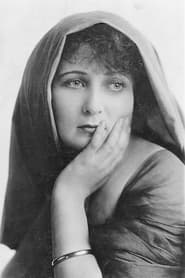
- Katherine MacDonald was a major silent-era actress and producer, often billed as one of the screen’s popular beauties; her presence gave the film added prestige.
- Lon Chaney appears in the cast, and his participation is of special interest to film historians because he was on the verge of becoming one of silent cinema’s greatest character actors.
- The film reflects a recurring William S. Hart theme: personal vengeance complicated by moral restraint, where the hero is not simply a heroic gunman but a damaged man operating under a frontier code.
- As with many 1910s westerns, the film survives in limited documentation compared with later studio-era works, making cast listings and trade references especially important to historians.
- The title and premise suggest a revenge drama rather than a traditional cattle-ranch or outlaw adventure, showing how silent westerns often blended action with soap-opera melodrama.
- Hart’s westerns were frequently praised for their realism and emotional seriousness, and Riddle Gawne belongs to that tradition even though fewer details about the film itself survive than for some of his better-known titles.
- Because the film was released in 1918, it arrived during the final stretch of the silent era’s wartime period, when American film production was rapidly expanding in scale and popularity.
- The film is part of the broader body of Hart westerns that helped shape the moral and visual grammar of the genre before the rise of sound-film cowboy stars.
What Critics Said
Contemporary critical response is not comprehensively preserved in widely available modern sources, but period trade and exhibition coverage generally treated Hart westerns as dependable attractions with strong audience appeal. Because the film is less frequently discussed than some of Hart’s signature titles, its later critical reputation is modest and primarily archival rather than canonical. Modern critics and film historians tend to view it as an example of Hart’s important but sometimes under-documented work, worth attention for its cast and for what it reveals about silent western storytelling. Its survival in film-historical memory depends more on Hart, Hillyer, and Chaney than on the film’s own standalone fame.
What Audiences Thought
Specific audience-response data is not readily available, but Hart westerns were typically popular with general audiences who appreciated their clear moral conflicts, action, and rugged lead performance. The film would have appealed to viewers looking for a serious revenge drama within the western framework, especially with recognized performers in the cast. As with many silent films, later audience access became limited, so contemporary reception is harder to reconstruct than theatrical demand at the time of release. The film’s present-day audience is mainly historians, silent-cinema enthusiasts, and viewers interested in early western and Lon Chaney filmographies.
Film Connections
Influenced By
- Frontier revenge melodramas of the 1910s
- William S. Hart’s earlier western persona and productions
- Stage and dime-novel frontier narratives
- The tradition of American vigilante and outlaw stories
This Film Influenced
- Later William S. Hart-style morally serious westerns
- The adult revisionist western tradition
- Revenge westerns centered on personal code rather than institutional law
You Might Also Like
More Action Films
View allMore from Lambert Hillyer
View allFilm Restoration
The film is considered to have limited surviving documentation, and no widely confirmed complete restoration status is readily available in standard public references. It is not commonly presented as a frequently screened restored title, which suggests that access is limited compared with better-known Hart westerns. Where prints or materials survive, they are primarily of interest to archives, researchers, and silent-film preservation circles rather than mainstream circulation.