Gretchen Lederer
Actor
- Active
- 1918-1918
Films 1
About Gretchen Lederer
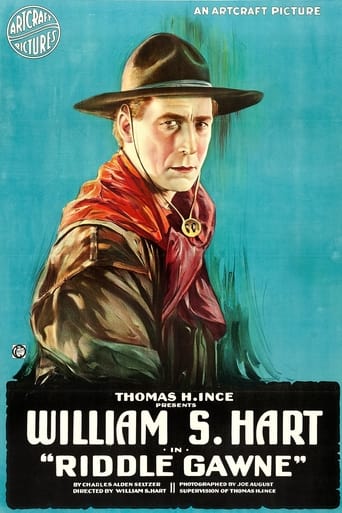
Gretchen Lederer was an American silent-film actress whose screen career was brief but placed her in several important productions of the mid-1910s. She is known to film historians primarily for her appearance in the western serial and feature Riddle Gawne (1918), a title that helps anchor her surviving filmography. Like many performers of the silent era, she worked in a period when studio records were often incomplete, and much of her life outside the screen remains obscure. Available references indicate that her acting career was concentrated in the 1910s, suggesting she was active during the rapid expansion of American silent cinema. Because she appears in surviving cast lists rather than in a large body of well-documented star vehicles, she is more often encountered today through film databases and archival research than through widespread popular memory. Her work belongs to the generation of actors who helped establish screen acting conventions before the arrival of synchronized sound. Although detailed biographical information is limited, her film credits place her among the many performers who contributed to the texture and development of early Hollywood film production.
More about Gretchen Lederer
On screen
No detailed contemporary reviews of Gretchen Lederer's performance style are readily documented in surviving mainstream reference sources. As a silent-era performer, her acting would have relied on expressive facial movement, gesture, and physical presence rather than spoken dialogue. Any assessment of her style must therefore be inferred from the conventions of the films in which she appeared rather than from extensive surviving criticism.
In film history
Gretchen Lederer's cultural impact is best understood as part of the broader contribution made by silent-era supporting actors to the development of American screen storytelling. Even when performers were not major stars, their work helped establish the rhythms of cinematic performance, character interaction, and genre storytelling that later became foundational to Hollywood. Her association with a 1918 western situates her within one of the most important and enduring popular genres of the silent period, when frontier narratives strongly shaped American moviegoing tastes. Because so little biographical material survives, her significance today lies less in celebrity than in representation: she stands for the many early film artists whose labor supported the growth of the medium.
Later reputation
Her lasting legacy is primarily archival and historical rather than celebrity-based. Gretchen Lederer remains a name preserved in cast records, filmographies, and silent-film reference resources, allowing historians to reconstruct the broader ecosystem of early Hollywood production. She is part of the generation of actors whose work survives mainly through documentation, title cards, publicity materials, and databases rather than through a large body of easily accessible films. In that sense, her legacy reflects both the fragility of silent-film history and the importance of preserving even small surviving credits. For researchers of early westerns and silent cinema, her name contributes to a more complete understanding of the period's cast networks and production practices.
Influence
No direct line of influence on later actors or directors is widely documented for Gretchen Lederer. Her broader influence is indirect, through participation in the silent-era performance tradition that shaped later screen acting. The gestures, pacing, and visual clarity demanded by silent film became a foundation for cinematic acting techniques even after sound arrived. As a result, performers like Lederer helped normalize the expressive style that would inform the work of more famous contemporaries and successors.
Off screen
Little reliably documented information survives about Gretchen Lederer's personal life, family background, marriages, or later years. She appears to have left relatively few biographical traces in the standard reference works commonly used for silent-era performers. This lack of surviving detail is not unusual for actors whose careers were brief or who worked primarily in supporting roles during the early decades of cinema. At present, no well-substantiated public record of her private life is commonly cited in major film-history sources.
Credits
- Appeared in the 1918 silent western Riddle Gawne, the credit most often associated with her surviving film record
- Worked during the silent-era studio system when westerns, serials, and melodramas were a major part of American popular cinema
- Represents the many lesser-documented supporting players whose performances helped shape early Hollywood filmmaking
- Her surviving credit places her within the final years of the World War I era silent film boom
Roles
- Cast member in Riddle Gawne (1918)
Films
- Riddle Gawne (1918)
Notes
- Gretchen Lederer is best remembered today for a single surviving film association rather than a large star persona.
- Her credited active period, as commonly listed in filmography databases, is very short and centered on 1918.
- She worked during the final years of the silent western's early popularity boom.
- Like many silent-era actors, her personal history is difficult to reconstruct because studio-era documentation was often incomplete or lost.
- She is an example of how many early film performers are preserved in cinema history primarily through cast listings and archival records.
- Her name appears in film-history resources even though extensive biographical details are not widely available.
Questions
Who was Gretchen Lederer?
Gretchen Lederer was an American silent-film actor whose surviving film record is very limited. She is primarily associated with the 1918 western Riddle Gawne and represents the many lesser-documented performers who worked in early Hollywood.
What films is Gretchen Lederer best known for?
She is best known for Riddle Gawne (1918), which is the principal surviving credit commonly linked to her name. Because her filmography is sparse in major reference sources, that title remains her most identifiable screen work.
When was Gretchen Lederer born and when did she die?
At present, readily accessible reference sources do not consistently provide verified birth or death dates for Gretchen Lederer. Her biographical record is limited, which is common for some silent-era supporting performers.
What awards did Gretchen Lederer win?
No awards or formal nominations are currently documented for Gretchen Lederer in the standard sources available for classic cinema research. Her significance lies mainly in her contribution to early silent-film production rather than in awards recognition.
What was Gretchen Lederer's acting style?
As a silent-film actor, her style would have depended on expressive gesture, facial expression, and visual clarity. No detailed contemporary performance analysis is widely preserved, so any description must be based on the conventions of silent-era screen acting.
What is Gretchen Lederer's legacy in film history?
Her legacy is as a surviving name from the silent era whose presence helps historians reconstruct early Hollywood casting and production history. Even with limited surviving biographical detail, she remains part of the documented workforce that shaped the development of American cinema.