Katherine MacDonald
Actor
- Born
- December 22, 1881, Pittsburgh, Pennsylvania, USA
- Died
- June 4, 1956
- Active
- 1918-1922
- Birth name
- Katherine Clifford MacDonald
Films 1
About Katherine MacDonald
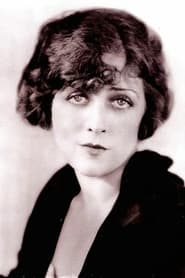
Katherine MacDonald was a major American silent-film actress, producer, and one of the best-known screen beauties of the late 1910s and early 1920s. Born in Pennsylvania, she rose from modeling and stage work into motion pictures during the World War I era, quickly becoming a featured leading lady in romantic melodramas and society dramas. She was especially popular with audiences for her glamorous image, sophisticated presence, and ability to play dignified, emotionally resilient heroines. By the height of her fame she was not only starring in films but also producing them, a notable achievement for a woman in the silent era and a sign of her business ambition and independence. Her career included work in both major studio productions and independently controlled vehicles, and she became closely associated with pictures that were designed around her star persona. Although her screen prominence was comparatively brief, she left a strong mark on silent-era stardom as one of the era’s recognized "screen queens." Her film career effectively ended before the talkies fully took hold, but she remains an important figure in discussions of early female stardom and women’s participation in film production.
More about Katherine MacDonald
On screen
MacDonald’s screen style was typical of the polished silent-era leading lady, relying on poised physical expressiveness, elegant bearing, and controlled emotional reactions rather than broad theatricality. She was often cast as a refined, glamorous heroine, and her performances emphasized composure, romantic intensity, and a fashionable sophistication that matched her public image. Contemporary publicity frequently highlighted her beauty as much as her acting, but she also had a credible screen presence that suited melodrama and prestige romance. Her style was less associated with comic energy or heavy character transformation than with sustained star persona and dignified emotional appeal.
In film history
Katherine MacDonald occupied an important place in the culture of silent-film celebrity as one of the era’s glamorous female stars whose image was carefully cultivated for mass appeal. She helped define the archetype of the elegant, high-society screen heroine at a time when audiences were fascinated by beauty, fashion, and modern female visibility. Her move into production made her especially noteworthy, since relatively few women in the 1910s had the leverage to create and control their own starring vehicles. In this sense, she was part of a broader shift in which women performers were not only entertainers but also entrepreneurs and brand-builders. Her career illustrates the power of star persona in silent cinema, where publicity, costume, and screen presence could be as important as dialog or dialogue-driven characterization.
Later reputation
MacDonald’s legacy rests less on a large surviving filmography than on her significance as a silent-era star who combined popularity with entrepreneurial ambition. She is remembered as one of the classic screen beauties of her day and as an early example of an actress who sought control over her own production circumstances. Film historians interested in women’s labor in early Hollywood often cite performers like MacDonald as evidence that the industry’s early years offered some openings for female agency, even if those openings were limited and often short-lived. Her career also provides a window into the workings of star culture before the studio system reached its most rigid form. Although she did not transition into a long talkie career, her name remains attached to the glamorous, aspiration-driven world of late silent cinema.
Influence
MacDonald influenced the way female stardom could be packaged around glamour, sophistication, and independence. While she was not generally a stylistic innovator in the modern sense, her career helped reinforce the value of the female-led star vehicle and the idea that an actress could serve as both performer and business figure. Later actresses who pursued ownership, production control, or branding strategies can be seen as following a path that stars like MacDonald helped normalize. Her image also contributed to the broader silent-era template of the polished romantic heroine, a figure that remained central through the 1920s and into early sound cinema.
Off screen
Katherine MacDonald was known for a highly publicized personal life that often attracted as much press attention as her films. She married at least twice and moved in fashionable society circles, which reinforced her image as a glamorous modern woman of the silent era. Like many stars of her time, she was frequently profiled in the popular press for her wardrobe, appearances, and social activities, and her private life was used to bolster her celebrity persona. Details of her later years are less prominent in standard film histories than her earlier star-making period, but she remained a notable figure in silent-film memory after leaving the screen.
Education
Specific formal education is not consistently documented in standard film references; she is best known through early modeling, stage-related work, and rapid entry into motion pictures rather than through a widely publicized academic background.
Credits
- Became one of the best-known silent-film stars of the post-World War I era
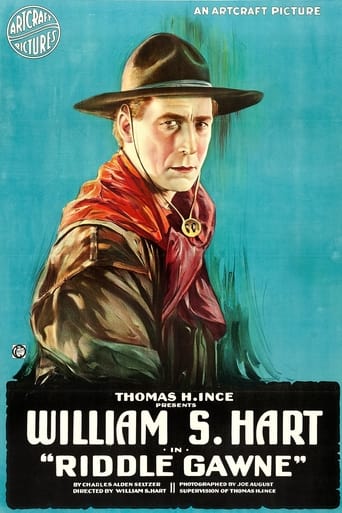
- Starred in the 1918 feature 'Riddle Gawne,' one of her better-known surviving-era credits
- Founded and operated her own production company, Katherine MacDonald Productions, giving her unusual control over her screen career
- Built a reputation as a glamorous leading lady in romantic and society melodramas
- Appeared in a number of films that capitalized on her beauty-centered star image and upscale screen persona
- Helped demonstrate that women could serve as both stars and producers in the silent era
- Retired from film before the end of the silent era, leaving a concentrated but memorable body of work
Roles
- The title role in 'Riddle Gawne' (1918)
- A glamorous society heroine in her various romantic melodramas
- The center of star-vehicle roles produced under her own company
Films
- Riddle Gawne (1918)
- The Thunderbolt (1919)
- The Little Shepherd of Kingdom Come (1920)
- Passion's Playground (1920)
- The Notorious Mrs. Sands (1920)
- Bits of Life (1921)
- The Woman Conquers (1922)
Collaborators
- Not consistently documented in surviving summary references
- She worked with a range of silent-era directors and supporting players across her star vehicles
- Her productions were tailored to her own screen persona rather than built around a single long-term collaborator
Studios
- Independent production through Katherine MacDonald Productions
- Associated with First National-era exhibition and distribution patterns through her features
- Worked in the broader silent-era studio system on prestige melodramas and star vehicles
Family
- Kenneth R. MacDonald (married 1909; later divorced)
- C. Harrison Parker (married 1919; later divorced)
Notes
- She was widely promoted as a major silent-era beauty, and her publicity often emphasized fashion and elegance as much as her acting.
- MacDonald was one of the relatively few silent-era actresses to operate her own production company.
- Her role in 'Riddle Gawne' (1918) is one of the film credits most often associated with her early screen fame.
- She worked during a period when star images were carefully managed through magazines, publicity stills, and fan culture.
- Her career is closely associated with the high-glamour, melodramatic style of late 1910s and early 1920s Hollywood.
- She retired from films relatively early, before the silent era ended, making her career a concentrated example of early screen stardom.
- Her screen persona was often built around upper-class refinement and emotional dignity.
- She is remembered today more by film historians and silent-cinema enthusiasts than by general audiences.
Questions
Who was Katherine MacDonald?
Katherine MacDonald was an American silent-film actress and producer who became one of the best-known glamour stars of the post-World War I era. She was admired for her elegant screen presence and for taking unusual control of her career through her own production company.
What films is Katherine MacDonald best known for?
She is especially associated with 'Riddle Gawne' (1918), along with later silent features such as 'The Thunderbolt' (1919), 'The Little Shepherd of Kingdom Come' (1920), 'Passion's Playground' (1920), and 'The Notorious Mrs. Sands' (1920). These films showcased the romantic and melodramatic persona that made her popular.
When was Katherine MacDonald born and when did she die?
She was born on December 22, 1881, in Pittsburgh, Pennsylvania, USA, and died on June 4, 1956. Her career belongs primarily to the late silent era, with her greatest fame concentrated in the years around 1918 to 1922.
What awards did Katherine MacDonald win?
No major industry awards or competitive honors are consistently recorded for her in standard film references. Like many silent-era stars, her recognition came mainly through popularity, publicity, and leading-lady status rather than formal awards.
What was Katherine MacDonald’s acting style?
Her acting style was poised, elegant, and highly suited to silent melodrama. She relied on refined physical expressiveness, emotional restraint, and a glamorous screen persona rather than broad theatrical effects.
What is Katherine MacDonald’s legacy in film history?
Her legacy lies in her status as a major silent-era screen beauty and as an early female producer who gained unusual control over her career. She is remembered as part of the generation of actresses who helped define Hollywood stardom before the talkies.