The Thunderbolt
Plot
A dishonest broker, desperate to escape the consequences of his schemes, prepares to flee when the threat of arrest becomes immediate. Just as he is about to abandon everything and run, a neighbor arrives unexpectedly with a new concern of his own: after unexpectedly inheriting $10,000, he wants help investing the money wisely. Seeing an opportunity, the broker convinces the trusting neighbor that he is the right man to handle the inheritance, even as his own moral and legal situation grows more precarious. The story plays out as a compact melodrama about greed, temptation, and misplaced trust, with the broker forced to confront the collision between his criminal ambitions and the sincerity of the man who believes in him.
About the Production
The Thunderbolt is a one-reel silent drama from the Biograph studio era, when many films were still produced quickly and with minimal surviving documentation. Like much of early 1912 output, it was likely staged for clear visual storytelling rather than elaborate sets, using concise dramatic situations and performance-driven characterization. No verified production budget, exact shooting location, or detailed technical records are known to survive in standard reference sources. The film is associated with the transitional period in American cinema when Biograph was refining short-form narrative drama for a growing national audience.
Historical Background
The Thunderbolt was produced in 1912, a pivotal year in early American cinema. The film industry was rapidly expanding, with narrative form becoming more sophisticated and films gradually moving beyond simple novelty or gag-driven subjects toward character-based melodrama and socially legible stories. This was also a time when the American Mutoscope and Biograph Company was one of the most important names in production, helping to establish the conventions of short-form storytelling before feature-length films became dominant. The film’s focus on money, moral compromise, and inheritance also reflects early 20th-century anxieties about finance, speculation, and the instability of sudden fortune in an increasingly modern urban society.
Why This Film Matters
Although The Thunderbolt is not a famous surviving classic in the modern sense, it is culturally significant as a representative example of early 1910s American melodrama. Films like this helped shape the narrative grammar of silent cinema by presenting a compact moral conflict with easily readable stakes and clear emotional pressure. Its survival in film history databases and archival references shows how even modest shorts contribute to our understanding of studio practices, star careers, and audience taste during cinema’s formative years. It also serves as a reminder of how many early films have been lost or remain obscure despite their role in building the medium.
Making Of
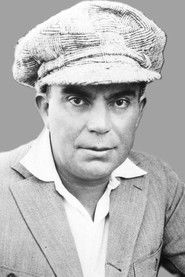
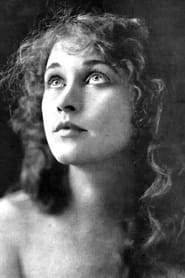
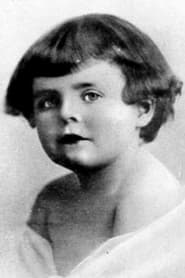
Very little detailed behind-the-scenes documentation survives for The Thunderbolt, which is typical of many 1912 silent shorts. The film was made during the Biograph period when production was highly efficient and studio records were often not preserved with modern archival thoroughness. Casting James Cruze, David Thompson, and Jean Darnell suggests a company-player system in which familiar faces were deployed across multiple short subjects. The production likely relied on straightforward studio interiors and simple exterior setups, with the emphasis on a clear dramatic premise that could be understood immediately by audiences in a single reel.
Visual Style
No detailed shot-by-shot cinematographic analysis is widely documented for The Thunderbolt, but as a 1912 Biograph production it would almost certainly have used static camera setups, proscenium-like framing, and carefully blocked action to make the narrative legible in a short running time. Early Biograph dramas often favored medium-wide compositions that let performers communicate emotion through gesture and facial expression. Lighting would have been based on available daylight or simple studio illumination, with minimal camera movement and editing designed for clarity rather than spectacle. The visual style was likely functional and theatrical, serving the plot with economy rather than elaborate artistry.
Innovations
The film does not appear to be associated with any specific technical innovation. Its significance lies instead in the standardized dramatic technique of early silent filmmaking: concise storytelling, expressive acting, and efficient visual exposition. As a Biograph one-reeler, it belongs to the important phase in which American cinema was refining how much plot and emotion could be communicated in a very short runtime. That economy of storytelling was itself a foundational achievement in the development of narrative film language.
Music
As a silent film, The Thunderbolt had no synchronized recorded soundtrack. It would originally have been exhibited with live musical accompaniment, typically provided by a pianist or small ensemble in the theater. The exact cue sheet or surviving score, if any existed, is not known from standard sources. Musical selection would likely have depended on local exhibitors and the mood of the scene, using standard silent-era practices to underscore tension, deception, and dramatic irony.
Memorable Scenes
- The broker’s tense preparation for flight as the threat of arrest closes in.
- The neighbor’s unexpected arrival with news of a $10,000 inheritance and his request for investment advice.
- The dramatic moment in which the broker realizes he can potentially exploit the neighbor’s trust.
- The moral collision between the broker’s attempted escape and the neighbor’s faith in him.
Did You Know?
- This is an early silent short from 1912, a period when most narrative films were only one reel long.
- The film is a classic example of Biograph-era moral melodrama, built around temptation, money, and trust.
- James Cruze appears in the cast; he later became better known as a director, especially for The Covered Wagon (1923).
- Because so many films from 1912 survive only in fragmentary records, plot descriptions often come from archival catalogs rather than from surviving prints.
- The title The Thunderbolt was used for several different films in the silent era, so identification by year is important.
- The known plot summary centers on a legacy of $10,000, which was a substantial sum in 1912 and would have carried strong dramatic weight for contemporary audiences.
- Films like this were commonly shown in nickelodeons and mixed programs alongside newsreels, shorts, and comedy subjects.
- The movie reflects the era's fascination with the moral consequences of sudden wealth and speculative financial behavior.
- Early Biograph dramas frequently emphasized readable action and facial expression rather than intertitles-heavy exposition.
- No confirmed award history is associated with the film, which is typical for silent shorts from this period.
What Critics Said
Contemporary critical reception is not well documented in surviving mainstream sources, and no extensive modern critical reassessment appears to be widely cited for this specific film. As with many Biograph shorts of the period, it was probably reviewed, if at all, as a current release rather than as an individually landmark work. Modern film historians tend to regard it primarily as an archival object: valuable for cast, studio, and production-history research rather than for a sustained canonized reputation. Its importance today lies more in its documentation of silent-era storytelling and performance than in a large body of critical commentary.
What Audiences Thought
Audience reaction records for The Thunderbolt do not appear to survive in a detailed or quantifiable way. In 1912, films of this kind were designed to appeal broadly to nickelodeon and vaudeville-era moviegoers who enjoyed concise dramatic situations with strong moral tension. A story about a dishonest broker, a newly inherited fortune, and the possibility of fraud would likely have resonated with audiences familiar with anxieties about money and trust. Like many shorts of the period, its immediate success would have depended on local exhibition context rather than on national box-office reporting.
Film Connections
Influenced By
- Early theatrical melodrama
- Popular morality tales about greed and consequence
- Biograph's short-form narrative drama tradition
This Film Influenced
- Later silent-era financial melodramas
- Short moral-reformation dramas in the 1910s
You Might Also Like
More Drama Films
View allFilm Restoration
Preservation status is uncertain from widely available public references; no commonly cited restoration or complete surviving print information is readily documented in standard summaries. The film is known primarily through catalog records and archival film history references, suggesting that it may survive only in references, fragments, or private/archival holdings rather than as a widely accessible restored title.