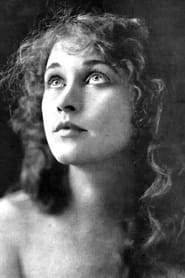
Mignon Anderson
Actor
Born: March 31, 1892 in New York City, New York, USA Died: February 25, 1983 Active: 1913-1913
Films
2 films
About Mignon Anderson
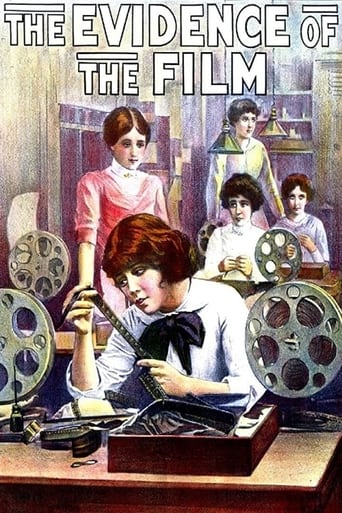
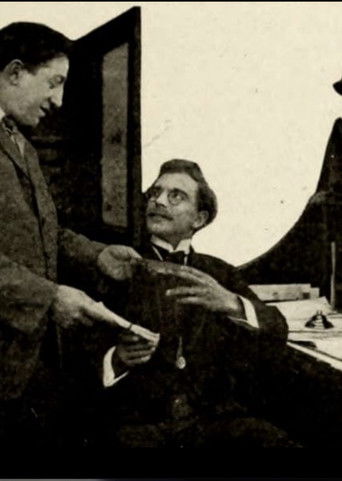
Mignon Anderson worked on one surviving credit: The Evidence of the Film (1913). Her career, though brief, coincided with the transition from short subjects to narrative filmmaking in the early 1910s. Anderson is primarily known for her role in the 1913 film 'The Evidence of the Film,' which was produced by the Thanhouser Company, independent film studios of the silent era. The Thanhouser Company was known for producing high-quality films with sophisticated narratives, and Anderson's participation suggests she was part of their roster of talented performers. Unfortunately, like many actors from this very early period of cinema, detailed records of her life and career are scarce, and her filmography appears to be limited to this single known credit. Her brief appearance in film history represents the countless performers who contributed to the foundation of American cinema during its formative years.
The Craft
On Screen
Like most actors of the early 1910s, Anderson likely employed theatrical, exaggerated gestures typical of silent film acting before the development of more naturalistic techniques. Her performance style would have been suited to the limited technical capabilities of the era, relying heavily on facial expressions and body language to convey emotion.
Milestones
- Appeared in 'The Evidence of the Film' (1913)
- Worked with Thanhouser Company during their peak production years
- Participated in early narrative cinema development
Best Known For
Iconic Roles
Must-See Films
Working Relationships
Studios
Why They Matter
Impact on Culture
Mignon Anderson's contribution to cinema, while minimal in scope, represents the foundation of American film industry during its nascent stage. Her work with Thanhouser Company places her among the pioneers who helped establish narrative filmmaking as an art form. The Thanhouser Company was known for producing films with higher artistic quality than many contemporaries, and Anderson's participation, however brief, connects her to this important chapter in film history.
Lasting Legacy
Mignon Anderson's legacy is primarily historical, serving as an example of the many early film performers whose contributions were significant but largely undocumented. Her appearance in a surviving Thanhouser film ensures she remains part of the historical record of American cinema's development. She represents the countless actors who participated in cinema's earliest days before the star system was fully established.
Who They Inspired
Given her extremely brief film career, Mignon Anderson likely had minimal direct influence on subsequent performers. However, her work contributes to the broader understanding of early film acting techniques and the development of cinema as an artistic medium. Her participation in Thanhouser productions aligns her with a studio known for artistic innovation in the early 1910s.
Off Screen
Mignon Anderson was born in New York City in 1892 and lived a long life, passing away in 1983 at age 90. Despite her brief film career, she appears to have lived a full life spanning nearly a century, witnessing the entire evolution of cinema from its silent beginnings to modern filmmaking. Little is documented about her personal life, marriages, or family, which was common for performers who had very brief or minor careers in early cinema.
Did You Know?
- Mignon Anderson lived to be 90 years old, outliving the silent film era by more than 50 years
- The Thanhouser Company, where she worked, was
- Her film 'The Evidence of the Film' survives and is preserved in film archives
- She was born in the same year that Thomas Edison's Kinetoscope was first demonstrated
- Her entire known film career consists of a single film credit from 1913
- The Thanhouser Company employed both male and female actors in leading roles, relatively progressive for the era
- Her career ended before the feature film became the standard format in Hollywood
Frequently Asked Questions
Who was Mignon Anderson?
American silent film actress active in 1913, best known for her role in the Thanhouser Company's production 'The Evidence of the Film.' She was part of the generation of actors who helped establish narrative cinema during its formative years.
What films is Mignon Anderson best known for?
Titles linked here include The Evidence of the Film (1913).
When was Mignon Anderson born and when did she die?
Born March 31, 1892; died February 25, 1983.
What awards did Mignon Anderson win?
Mignon Anderson did not receive any formal awards or recognition during her brief film career, as the Academy Awards and other major film honors were not established until many years after her acting period.
What was Mignon Anderson's acting style?
Like most actors of the early 1910s, Anderson likely employed the theatrical, exaggerated style typical of silent film acting before more naturalistic techniques developed, using broad gestures and facial expressions to convey emotion in the absence of synchronized sound.