The Painted Hills
"Lassie tale of gold and betrayal"
Keys: Space play/pause · ←/→ 10s · F fullscreen · M mute · </> speed
About this film
Prospector Jonathan strikes gold but finds his partner dead and young Tommy alone; he leaves loyal dog Shep with the boy while a greedy new partner schemes over the claim.
Cast & crew
More Action films
View all →
More about this film
About the production
Release dateMay 23, 1951
Box officeUnknown but successful as part of the Lassie series
ProductionMetro-Goldwyn-Mayer (MGM)
Filmed inSierra Nevada Mountains, California, Sonora, California, MGM Studios, Culver City, California
This was the seventh and final MGM Lassie film starring Pal, the original collie who portrayed Lassie. The film was shot in the new three-strip Technicolor process, showcasing the beautiful autumn colors of the Sierra Nevada mountains. The production faced challenges filming on location with the dog actors, requiring multiple takes for action sequences. The Painted Hills location was chosen for its distinctive colorful rock formations, which gave the film its title and visual appeal.
Themes
Loyalty and betrayalThe bond between humans and animalsGreed versus moralityJustice and revengeThe American frontier spirit
Themes & topics
Historical background
Audiences in 1951 encountered The Painted Hills at a point when the postwar was reshaping what movies could say and show. Kress. The Painted Hills is the seventh and final MGM Lassie film.
Why this film matters
The Painted Hills continues to attract interest because it captures a distinctive postwar approach to character and spectacle. The Painted Hills, also known as Lassie's Adventures in the Goldrush, is a 1951 Western drama film produced by Metro-Goldwyn-Mayer and directed by Harold F.
Making of
The production of 'The Painted Hills' was a significant undertaking for MGM's family film division. The studio invested heavily in location shooting to capture the authentic western atmosphere, utilizing the new Technicolor process to its fullest advantage. Training the dogs for their performances was a major challenge, with trainers Rudd Weatherwax and his son Frank working extensively with Pal and other collies to achieve the necessary emotional responses and action sequences. The film's production coincided with a changing Hollywood landscape, as studios were beginning to compete with television for family audiences. MGM marketed the film heavily as a family entertainment option, emphasizing its outdoor adventure elements and the beloved Lassie character. The filming of the climactic scenes involving the dog's pursuit of the villain required multiple cameras and careful choreography to ensure the animals' safety while capturing dramatic action.
What critics said
Later criticism frames The Painted Hills through restoration quality and its director or studio filmography.
Did you know?
- This was the last of seven MGM Lassie films starring Pal, the original collie who created the Lassie character
- The film won an Academy Award for Best Color Cinematography, the only Lassie film to win an Oscar
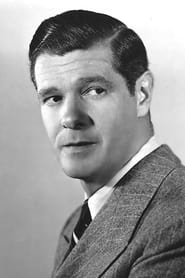
- Paul Kelly, who played Jonathan Harvey, was a former child actor who had appeared in silent films
- The dog in the film is named 'Shep' rather than Lassie, making it unique in the series
- The Painted Hills location is a real geological formation in Oregon, though the film was shot in California
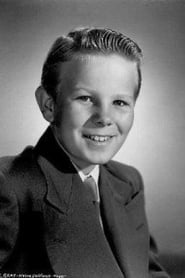
- Gary Gray, who played Tommy, was a popular child actor who appeared in over 40 films during his career
- Director Harold F. Kress was primarily known as a film editor and won Oscars for editing 'How the West Was Won' and 'The Greatest Show on Earth'
- The film was released during the height of the anti-communist Red Scare, and its themes of greed versus morality resonated with audiences
- Pal the dog earned $4,000 per week for this film, more than many human actors of the time
- The film's success led to the television series 'Lassie' which began airing in 1954
Awards & recognition
- Academy Award for Best Color Cinematography (Robert L. Surtees, 1952)
- Photoplay Award for Best Picture (1951)
Visual style
Robert Surtees' award-winning cinematography is arguably the film's most distinguished technical achievement. Utilizing the three-strip Technicolor process to its fullest potential, Surtees captured the spectacular autumn colors of the Sierra Nevada mountains, creating a visual palette that both enhanced the storytelling and provided spectacle for audiences. The cinematography employed deep focus techniques to showcase both the expansive landscapes and intimate character moments, while careful lighting created dramatic contrasts between the golden hills and shadowy interiors. The camera work during action sequences, particularly those involving the dog, demonstrated innovative techniques for capturing animal movement and emotion. Surtees' use of natural light and location photography helped establish an authentic western atmosphere that distinguished the film from studio-bound productions of the era.
Innovations
The film's most significant technical achievement was its Academy Award-winning cinematography, which pushed the boundaries of color location shooting in the early 1950s. The production team developed new techniques for filming with animal actors in natural settings, including specialized camera mounts and training methods that allowed for more dynamic action sequences. The sound recording on location presented particular challenges, with Douglas Shearer's team developing portable equipment that could capture clear dialogue and natural sounds in remote mountain locations. The film's editing, supervised by Harold F. Kress himself, created seamless transitions between human and animal perspectives, helping to establish the dog as a fully realized character rather than a mere animal performer.
Music
The musical score for 'The Painted Hills' was composed by André Previn, who was then establishing himself as one of Hollywood's promising young composers. The score blends traditional western motifs with emotional themes that underscore the bond between the characters and the dog. Previn incorporated folk-inspired melodies that reflected the Gold Rush setting, while using orchestral arrangements to enhance the film's dramatic moments. The soundtrack also made effective use of natural sounds recorded on location, including wind, water, and wildlife sounds that added to the film's authentic outdoor atmosphere. The music during action sequences was particularly notable for its ability to heighten tension without overwhelming the visual storytelling, a balance that Previn would become known for throughout his career.
Famous quotes
A dog is a man's best friend, and a boy's best guardian.
Gold can change a man, but loyalty never does.
The hills don't lie, but men do.
Sometimes the smallest creatures have the biggest hearts.
Memorable scenes
- The opening sequence where Jonathan discovers gold in the Painted Hills, with the camera sweeping across the colorful autumn landscape
- The emotional scene where Shep (Lassie) is left with Tommy, showing the dog's understanding and acceptance of his new responsibility
- The climactic confrontation in the mountains where Shep pursues the villain across treacherous terrain
- The final scene where justice is served and Tommy finds a new family, highlighting the film's themes of healing and redemption
What audiences thought
The film was well-received by family audiences upon its release, particularly those who had followed the Lassie series throughout the 1940s. Children connected with the story of loyalty and justice, while adults appreciated the western setting and moral complexity. The film's success at the box office demonstrated the enduring popularity of the Lassie character and helped justify the transition to television. Over the decades, the film has maintained a loyal following among classic film enthusiasts and Lassie fans, often remembered fondly for its beautiful photography and emotional storytelling. The film's availability on television and home video has introduced it to new generations, with many parents sharing it with their children as an example of quality family entertainment from Hollywood's golden age.
Film connections
Influenced by
- The earlier Lassie films from MGM
- Classic western films of the 1940s
- Jack London's wilderness stories
- Traditional American frontier mythology
This film influenced
- Subsequent Lassie television series
- Family adventure films featuring animal protagonists
- Disney's nature and animal films of the 1950s and 1960s
Film restoration
The film has been preserved by MGM and is part of the Turner Entertainment Company library. It has been restored for DVD and Blu-ray releases, with the Technicolor elements maintained in good condition. The film is not considered lost or at risk, and has been made available through various home media formats and streaming services.
Where to watch
- Available on DVD and Blu-ray from Warner Home Video
- Streaming on Turner Classic Movies (TCM) platform
- Available for digital purchase on Amazon Prime Video and iTunes
- Occasionally broadcast on TCM cable channel