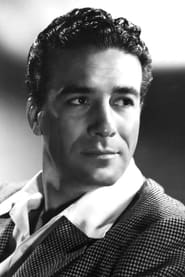
Bruce Cowling
Actor
Born: August 30, 1919 in New York City, New York, USA Died: August 22, 1986 Active: 1948-1955
Films
1 film
About Bruce Cowling
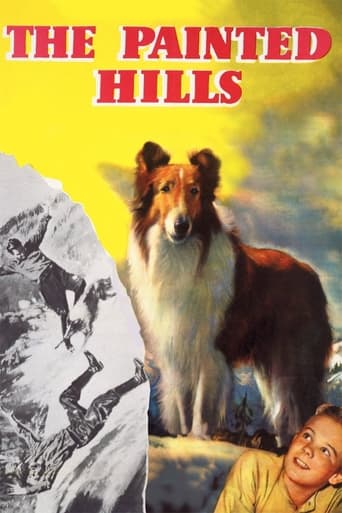
American character actor who worked primarily during Hollywood's Golden Age, specializing in Westerns and adventure films throughout the late 1940s and early 1950s. Born in New York City in 1919, Cowling brought a rugged authenticity to his numerous supporting roles, often portraying villains, authority figures, or tough characters in the genre films that dominated post-war cinema. His most memorable performance came as the antagonist in the Lassie film The Painted Hills (1951), where he showcased his ability to create compelling characters within limited screen time. Over the course of his decade-long career, Cowling appeared in approximately 30 films and numerous television shows, working with major studios including MGM, Universal, and RKO. He became a familiar face to audiences of the era, though he never achieved leading man status, instead building a reputation as a reliable character actor who elevated every production with his presence. As the studio system began to dissolve and television rose to prominence in the mid-1950s, Cowling's film career gradually tapered off, though he continued to appear in television Westerns until his retirement from acting.
The Craft
On Screen
Cowling specialized in portraying rugged, no-nonsense characters with a weathered, authentic presence that perfectly suited Western and adventure films. He brought a naturalistic approach to his roles, avoiding theatrical mannerisms in favor of grounded, believable performances that made his characters feel genuine. His physical presence and stern demeanor made him particularly effective as villains or authority figures, while his ability to convey complex emotions through subtle expressions added depth to even his smaller roles. Cowling's style exemplified the classic Hollywood character actor who could transform into various types while maintaining a consistent screen presence that audiences immediately recognized.
Milestones
- Breakthrough role in Red Canyon (1949)
- Memorable antagonist in The Painted Hills (1951)
- Supporting role in The Tall Target (1951)
- Transition to television with appearances in The Lone Ranger
- Regular appearances in Gunsmoke and Rawhide
Best Known For
Iconic Roles
Must-See Films
Working Relationships
Worked Often With
Studios
Why They Matter
Impact on Culture
Bruce Cowling contributed significantly to the Golden Age of Hollywood's Western genre, helping to create the authentic atmosphere that made these films so popular with post-war audiences. His work in The Painted Hills, one of the classic Lassie films, helped cement the enduring legacy of one of cinema's most beloved animal characters. As part of the supporting cast system that defined Hollywood's studio era, Cowling represented the countless character actors who provided essential depth and credibility to major productions. His performances in television Westerns during the medium's formative years helped establish the visual language and character archetypes that would define the genre for decades. Though never a household name, Cowling's body of work exemplifies the quality craftsmanship that characterized Hollywood's Golden Age, where even the smallest roles were filled by skilled professionals dedicated to their art.
Lasting Legacy
Bruce Cowling's legacy lies in his contributions to the Hollywood's Golden Age Westerns and adventure films, where he consistently delivered memorable supporting performances that enhanced the overall quality of each production. His work shows the importance of character actors in creating believable cinematic worlds, demonstrating how skilled performers in smaller roles could significantly impact a film's success. The Painted Hills remains his most enduring legacy, continuing to be shown on television and streaming platforms, introducing new generations to his work. Cowling represents the era of Hollywood professionals who worked diligently at their craft without seeking stardom, finding satisfaction in contributing to quality entertainment. His career trajectory also reflects the broader changes in the entertainment industry during the 1950s, as the studio system gave way to television and independent production, making his story emblematic of many character actors of his generation.
Who They Inspired
While Bruce Cowling did not directly mentor other actors or establish a particular acting school, his consistent professionalism and authentic approach to character work influenced younger actors entering the industry during the transition from studio films to television. His ability to create memorable characters with limited screen time provided a model for efficiency and effectiveness that character actors continue to study. Cowling's work in early television Westerns helped establish conventions for supporting characters in the genre that would influence countless subsequent productions. His naturalistic style, avoiding the more theatrical approaches common in earlier cinema, reflected and contributed to the evolving aesthetic of realistic performance that became increasingly valued in post-war Hollywood. Though not widely recognized as an influential figure, Cowling's body of work represents the cumulative impact of skilled character actors who collectively shaped the quality and authenticity of classic American cinema.
Off Screen
Bruce Cowling maintained a relatively private personal life throughout his Hollywood career, avoiding the spotlight that often accompanied even character actors of his era. He was known among colleagues as a professional and reliable performer who took his craft seriously while remaining humble about his contributions to cinema. Cowling never married and had no children, dedicating himself fully to his acting career during his active years. After retiring from acting in the mid-1950s, he lived a quiet life away from the entertainment industry, though he remained connected to former colleagues in the Hollywood community. He spent his final years in Los Angeles, where he passed away in 1986 at the age of 66, just eight days shy of his 67th birthday.
Education
Limited information is available about Cowling's formal education, though it's believed he studied drama in New York before moving to Hollywood to pursue his film career.
Did You Know?
- Bruce Cowling died just eight days before his 67th birthday
- Despite being born in New York, he became typecast in Western films as a rugged Westerner
- The Painted Hills was one of seven MGM Lassie films produced between 1949 and 1951
- He appeared in over 30 films but never received a screen credit larger than fourth billing
- Cowling made the transition to television early, appearing in The Lone Ranger in 1949
- He worked with some of Hollywood's biggest stars including James Stewart and Doris Day
- His rugged appearance made him a natural choice for villain roles in Westerns
- Cowling was one of many character actors who found steady work in television Westerns as the film industry declined
- He never received any major award nominations, typical of supporting actors of his era
- His film career coincided exactly with the decline of the Hollywood studio system
Frequently Asked Questions
Who was Bruce Cowling?
American character with credits in this catalog. He was known for his rugged appearance and authentic performances in supporting roles, often playing villains or authority figures.
What films is Bruce Cowling best known for?
Titles linked here include The Painted Hills (1951), Red Canyon (1949).
When was Bruce Cowling born and when did he die?
Born August 30, 1919; died August 22, 1986.
What awards did Bruce Cowling win?
Bruce Cowling did not receive any major awards or nominations during his career, which was typical for character actors of his era who worked primarily in supporting roles.
What was Bruce Cowling's acting style?
Cowling specialized in portraying rugged, authentic characters with a naturalistic approach that avoided theatrical mannerisms. His stern demeanor and physical presence made him particularly effective as villains or authority figures in Westerns and adventure films.
Did Bruce Cowling work in television?
Yes, Bruce Cowling made the transition to television early in his career, appearing in popular series like The Lone Ranger, The Adventures of Superman, Gunsmoke, and Rawhide during the 1950s.
What was Bruce Cowling's role in The Painted Hills?
In The Painted Hills (1951), Cowling played the antagonist, a greedy prospector who conflicts with the film's hero and the famous dog character Lassie. This remains his most memorable and widely seen performance.