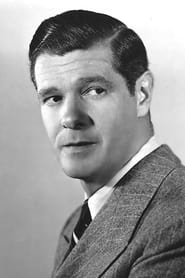
Paul Kelly
Actor
Born: August 9, 1899 in Philadelphia, Pennsylvania, USA Died: July 6, 1956 Active: 1911-1957 Birth Name: Paul Michael Kelly
Films
1 film
About Paul Kelly
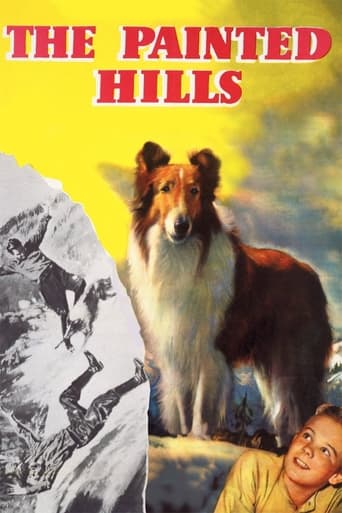
Paul Michael Kelly — American character actor active from the silent era through the Golden Age of Hollywood. Born in Philadelphia in 1899, Kelly began his career as a child actor on the stage before transitioning to films in the 1920s. He developed a reputation for his intense, naturalistic acting style and versatility in playing both sympathetic and villainous roles. His career was briefly interrupted by a scandal in 1927 when he was involved in the death of actor Ray Raymond during a quarrel over actress Dorothy Spencer, whom Kelly would later marry. After serving time in San Quentin, he returned to Hollywood and rebuilt his career as a respected character actor. Kelly found success in both film and theater, winning a Tony Award for his stage work while continuing to appear in numerous films throughout the 1940s and 1950s. His final years included memorable performances in films like 'The Painted Hills' (1951) and television appearances before his death in 1956.
The Craft
On Screen
Known for his naturalistic, intense acting style with strong emotional depth and versatility in portraying complex characters ranging from sympathetic heroes to menacing villains
Milestones
- Stage debut as child actor (1911)
- First film appearance in 'The Great Adventure' (1921)
- Tony Award for 'The Deep Blue Sea' (1952)
- Starred in 'The Painted Hills' (1951)
- Over 100 film appearances
- Successful transition from silent to sound films
Best Known For
Iconic Roles
Must-See Films
Accolades
Won
- Tony Award for Best Actor in a Play for 'The Deep Blue Sea' (1952)
Nominated
- New York Drama Critics' Circle Award for 'The Deep Blue Sea'
Special Recognition
- Hollywood Walk of Fame Star (6608 Hollywood Blvd)
Working Relationships
Worked Often With
Studios
Why They Matter
Impact on Culture
Paul Kelly represented the archetype of the Hollywood character actor who could elevate any material through his performances. His ability to overcome personal scandal and rebuild his career demonstrated the resilience required in the entertainment industry. Kelly's work in both film and theater helped bridge the gap between Broadway and Hollywood during the mid-20th century, showcasing how actors could successfully work in both mediums. His naturalistic acting style influenced the move away from the theatrical performances of early cinema toward more realistic portrayals.
Lasting Legacy
Paul Kelly's legacy endures through his extensive body of work in classic Hollywood cinema and his contributions to American theater. His Tony Award-winning performance in 'The Deep Blue Sea' remains a significant achievement in stage history, while his film performances continue to be appreciated by classic film enthusiasts. Kelly's career trajectory, from child star to respected character actor, exemplifies the longevity possible in Hollywood for talented performers who adapt to changing times. His ability to overcome personal adversity and professional setbacks serves as an inspiration in the entertainment industry.
Who They Inspired
Kelly influenced subsequent generations of character actors through his naturalistic approach to performance and his ability to bring depth to supporting roles. His work in film noir particularly helped establish the genre's emphasis on psychological complexity and moral ambiguity. Younger actors studying his performances learned the importance of subtlety and emotional authenticity in character portrayal, lessons that became increasingly important as acting styles evolved in post-war Hollywood.
Off Screen
Kelly's personal life was marked by both professional success and personal tragedy. He married actress Kathryn McMahon in 1925, but their marriage ended after the 1927 scandal involving actor Ray Raymond's death. In 1931, he married Dorothy Spencer, the actress at the center of the earlier controversy, and they remained together until his death. Kelly had no children. He was known as a private person who preferred to keep his personal affairs out of the public eye after his early career troubles.
Education
Educated in Philadelphia schools, began acting career as a child with little formal education beyond that
Family
- Kathryn McMahon (1925-1929)
- Dorothy Spencer (1931-1956)
Did You Know?
- Began his career as a child actor on stage at age 12
- Spent 25 months in San Quentin Prison for involuntary manslaughter in the 1927 Ray Raymond case
- Was one of the few actors to successfully revive his career after serving prison time
- Won Broadway's Tony Award for Best Actor in 1952 for 'The Deep Blue Sea'
- Appeared in over 100 films during his career
- Was a skilled boxer in his youth
- Often played authority figures such as police officers and military men
- His final film appearance was posthumously in 'The Wings of Eagles' (1957)
- Was a close friend of actor Spencer Tracy
- His Hollywood Walk of Fame star was dedicated in 1960
In Their Own Words
Acting isn't about being someone different. It's finding the similarity in what is apparently different, then finding myself in there.
Every role, big or small, deserves the same commitment. The audience doesn't know your billing, they only know your performance.
The stage taught me discipline, but film taught me subtlety. Both are essential for an actor's survival.
Frequently Asked Questions
Who was Paul Kelly?
American character with credits in this catalog. He appeared in over 100 films and won a Tony Award for his stage work, known for his naturalistic acting style and versatility in playing diverse roles.
What films is Paul Kelly best known for?
Titles linked here include The Painted Hills (1951), Crossfire (1947).
When was Paul Kelly born and when did he die?
Born August 9, 1899; died July 6, 1956.
What awards did Paul Kelly win?
Paul Kelly won the Tony Award for Best Actor in a Play in 1952 for his performance in 'The Deep Blue Sea'. He also received a star on the Hollywood Walk of Fame posthumously in 1960.
What was Paul Kelly's acting style?
Kelly was known for his naturalistic and intense acting style, bringing emotional depth and authenticity to his roles. He was particularly skilled at portraying complex characters, ranging from sympathetic heroes to menacing villains, with a subtlety that helped define the more realistic acting style of post-war Hollywood.
Did Paul Kelly have any controversies in his career?
Yes, in 1927 Kelly was involved in the death of actor Ray Raymond during a quarrel over actress Dorothy Spencer. He was convicted of involuntary manslaughter and served 25 months in prison, but managed to successfully rebuild his career afterward.
How many films did Paul Kelly appear in?
Paul Kelly appeared in over 100 films throughout his career, which spanned from the 1920s through the 1950s, including both silent and sound films.