Gary Gray
Actor
Born: December 18, 1936 in Los Angeles, California, USA Active: 1949-1956
Films
1 film
About Gary Gray
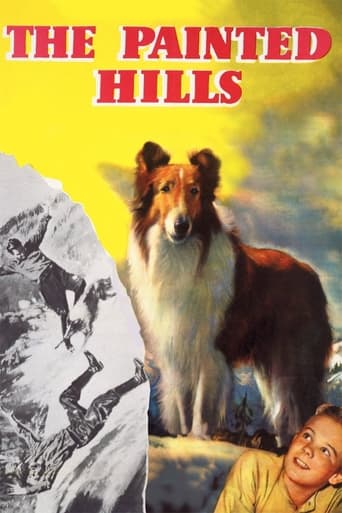
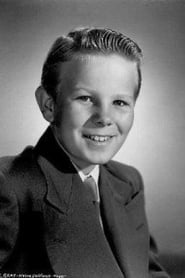
Gary Gray was one of Hollywood's most recognizable child actors of the early 1950s, known for his natural acting style and frequent appearances in both films and television shows. Born in Los Angeles in 1936, Gray began his acting career at a young age and quickly became a sought-after child performer during the Golden Age of Hollywood. His most notable role came in 1951's 'The Painted Hills,' where he starred opposite Lassie in this Technicolor adventure film set in the Oregon wilderness. Throughout his brief but prolific career, Gray appeared in over 50 films and television programs, often playing the earnest, wholesome child character that was popular in post-war American cinema. He worked with many of the era's biggest stars and directors, becoming a familiar face to audiences of the time. Like many child actors, Gray's career faded as he entered his teenage years, and he eventually left the entertainment industry altogether. His contributions to 1950s cinema, however, remain an important part of Hollywood's child acting legacy.
The Craft
On Screen
Natural and sincere acting style that embodied the idealized American child of the 1950s. Gray brought authenticity to his roles without the precociousness often associated with child actors of the era. His performances were marked by a genuine emotional quality that resonated with audiences, particularly in his dramatic scenes.
Milestones
- Starred in 'The Painted Hills' (1951) with Lassie
- Appeared in over 50 films and TV shows
- Frequent child actor at major Hollywood studios
- Worked with stars like James Stewart and John Wayne
- Transitioned successfully from films to television
Best Known For
Iconic Roles
Must-See Films
Accolades
Special Recognition
- Recognized as one of Hollywood's busiest child actors of the early 1950s
Working Relationships
Worked Often With
Studios
Why They Matter
Impact on Culture
Gary Gray represents the archetype of the 1950s Hollywood child actor - wholesome, earnest, and relatable to family audiences of the era. His work in 'The Painted Hills' and other films helped define the family-friendly entertainment that dominated post-war American cinema. Gray's natural acting style contrasted with the more theatrical performances of earlier child actors, reflecting the industry's move toward realism in the post-war period.
Lasting Legacy
As. His performances, particularly in Westerns and outdoor adventures, captured the idealized vision of American childhood that was prevalent in popular culture. Though his career was brief, Gray's work remains an important part of classic cinema history and continues to be appreciated by fans of vintage Hollywood films.
Who They Inspired
Gary Gray's naturalistic approach to child acting influenced subsequent generations of young performers, demonstrating that children could deliver authentic, emotionally resonant performances without resorting to precocious mannerisms. His successful transition from film to television also anticipated the industry's shift toward the small screen in the 1950s.
Off Screen
Gary Gray largely stepped away from the entertainment industry as he entered adulthood. Unlike many former child actors, he successfully transitioned to a private life outside of Hollywood. He has occasionally participated in classic film retrospectives and interviews about his experiences as a child actor during the Golden Age of Hollywood.
Education
Educated in Los Angeles area schools while working as a child actor
Did You Know?
- One of the busiest child actors of early 1950s Hollywood
- Appeared in the first Lassie film made by MGM
- Worked with both Lassie and Rin Tin Tin during his career
- Often played characters named 'Tommy' or 'Johnny'
- Made numerous appearances on 'The Lone Ranger' TV series
- Was frequently cast in Westerns due to his natural, outdoorsy appearance
- Retired from acting before reaching adulthood
- His active years covered the transition from Hollywood's studio system to television dominance
- Worked with many of the era's biggest stars despite his young age
- His filmography includes both A-list productions and B-movies
Frequently Asked Questions
Who was Gary Gray?
Prolific American child with credits in this catalog. He appeared in over 50 films and television shows during his brief but active career, becoming one of Hollywood's most recognizable child performers of the era.
What films is Gary Gray best known for?
Titles linked here include The Painted Hills (1951), Red Canyon (1949).
When was Gary Gray born and when did he die?
Born December 18, 1936; died death date not listed.
What awards did Gary Gray win?
Gary Gray did not receive major formal awards during his career, which was typical for child actors of his era. However, he was recognized as one of Hollywood's busiest and most reliable child performers, working consistently with major studios throughout the early 1950s.
What was Gary Gray's acting style?
Gary Gray was known for his natural and sincere acting style that embodied the idealized American child of the 1950s. He brought authenticity to his roles without the precociousness often associated with child actors, delivering genuine emotional performances that resonated with family audiences.