Harold F. Kress
Director
Born: June 26, 1906 in Pittsburgh, Pennsylvania, USA Died: September 18, 1999 Active: 1930s-1970s (as editor), 1951 (as director) Birth Name: Harold Franklin Kress
Films
1 film
About Harold F. Kress
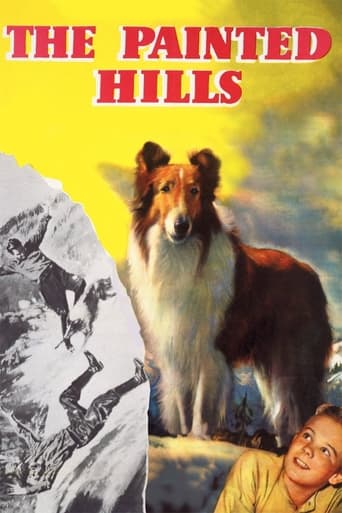
Made significant contributions to Hollywood cinema during the mid-20th century. Born in Pittsburgh, Pennsylvania, Kress began his career in the film industry as an editor in the 1930s, working on numerous productions throughout the Golden Age of Hollywood. He gained recognition for his exceptional editing skills, particularly on large-scale productions and adventure films. Kress won two Academy Awards for Best Film Editing for 'The Greatest Show on Earth' (1952) and 'How the West Was Won' (1962). While primarily known as an editor, he also ventured into directing, helming the Lassie film 'The Painted Hills' in 1951. His several decades, during which he worked on some of Hollywood's most prestigious productions. Kress's meticulous editing techniques and ability to enhance narrative through his craft earned him respect among his peers and helped shape the visual storytelling of classic Hollywood cinema.
The Craft
Behind the Camera
As Harold F. Kress primarily had one directing credit ('The Painted Hills'), his directing style is not extensively documented. However, based on his background as an editor, it can be inferred that he likely had a strong understanding of pacing, rhythm, and visual storytelling. His work on 'The Painted Hills' demonstrated a straightforward, narrative-focused approach appropriate for a family adventure film.
Milestones
- Academy Award for Best Film Editing for 'The Greatest Show on Earth' (1952)
- Academy Award for Best Film Editing for 'How the West Was Won' (1962)
- Directed 'The Painted Hills' (1951)
- Worked as editor on numerous major Hollywood productions
- Pioneered editing techniques for large-scale epics
Best Known For
Must-See Films
Accolades
Won
- Academy Award for Best Film Editing for 'The Greatest Show on Earth' (1952)
- Academy Award for Best Film Editing for 'How the West Was Won' (1962)
Nominated
- Academy Award nomination for Best Film Editing for 'The Adventures of Marco Polo' (1938)
- Academy Award nomination for Best Film Editing for 'Bataan' (1943)
- Academy Award nomination for Best Film Editing for 'Thirty Seconds Over Tokyo' (1944)
- Academy Award nomination for Best Film Editing for 'Ben-Hur' (1959)
Special Recognition
- Two-time Academy Award winner
- Multiple Oscar nominations for editing
Working Relationships
Worked Often With
Studios
Why They Matter
Impact on Culture
Harold F. Kress made significant contributions to the art of film editing during Hollywood's Golden Age. His work on epic productions like 'How the West Was Won' and 'The Greatest Show on Earth' helped establish editing techniques that would influence generations of film editors. Kress's ability to maintain narrative coherence and emotional impact in large-scale productions with multiple storylines and extensive action sequences demonstrated the crucial role of editing in cinematic storytelling. His Academy Award-winning work set standards for excellence in film editing that continue to be recognized today.
Lasting Legacy
Harold F. Kress is remembered as one of Hollywood's most accomplished film editors of the mid-20th century. His two Academy Awards and multiple nominations attest to the high regard in which his work was held by his peers. Kress's contributions to classic Hollywood cinema, particularly his work on epic productions, have been studied by film scholars and aspiring editors. His techniques in pacing, continuity, and dramatic structure helped define the editing style of Golden Age Hollywood and continue to influence contemporary film editing practices.
Who They Inspired
Kress's work influenced subsequent generations of film editors through his innovative approaches to handling complex narratives and large-scale productions. His ability to maintain coherence and emotional impact in films with multiple storylines and extensive action sequences provided a model for editors working on contemporary blockbusters. The precision and artistry evident in his Academy Award-winning work continue to be studied in film schools and referenced by professional editors.
Off Screen
Harold F. Kress was married to actress and dancer Lila Leeds (born Lila Lee) from 1946 until his death in 1999. The couple had two children together. Kress was known as a private individual who preferred to stay out of the Hollywood spotlight despite his significant contributions to the film industry. He was respected by his colleagues for his professionalism and dedication to his craft.
Education
Information about his formal education is not widely documented in public sources.
Family
- Lila Leeds (1946-1999)
Did You Know?
- Won two Academy Awards for Best Film Editing
- His only directorial credit was 'The Painted Hills' (1951)
- Worked as an editor on over 50 films throughout his career
- Was one of the few editors to win multiple Oscars for editing
- His editing work spanned from the 1930s to the 1970s
- Worked on some of Hollywood's biggest productions including 'Ben-Hur'
- Despite his success, remained relatively unknown to the general public
- His wife Lila Leeds was an actress who appeared in several films
- Specialized in editing large-scale epics and adventure films
- His editing techniques were particularly praised for their rhythm and pacing
In Their Own Words
Information about famous quotes by Harold F. Kress is not widely documented in public sources
Frequently Asked Questions
Who was Harold F. Kress?
American film editor and on YTB.my. He won two Academy Awards for Best Film Editing and is best known for his work on major productions like 'The Greatest Show on Earth' and 'How the West Was Won'.
What films is Harold F. Kress best known for?
Titles linked here include The Greatest Show on Earth (1952) - as editor, How the West Was Won (1962) - as editor.
When was Harold F. Kress born and when did he die?
Born June 26, 1906; died September 18, 1999.
What awards did Harold F. Kress win?
Kress won two Academy Awards for Best Film Editing: one for 'The Greatest Show on Earth' (1952) and another for 'How the West Was Won' (1962). He also received four additional Oscar nominations for his editing work.
What was Harold F. Kress's editing style?
Kress was known for his precise, rhythmic editing style that enhanced narrative flow and emotional impact. He excelled at handling complex productions with multiple storylines and large-scale action sequences, maintaining coherence while creating dramatic tension.
Did Harold F. Kress direct many films?
No, Harold F. Kress directed only one film: 'The Painted Hills' (1951), a Lassie adventure film. His primary career was as a film editor, where he worked on over 50 productions.
What was Harold F. Kress's contribution to cinema?
Kress made significant contributions to the art of film editing, particularly in large-scale epics. His techniques in pacing, continuity, and dramatic structure helped define the editing style of Golden Age Hollywood and continue to influence contemporary film editing practices.