Art Smith
Actor
Born: February 15, 1899 in Chicago, Illinois, USA Died: February 24, 1973 Active: 1934-1962 Birth Name: Arthur Smith Gumm
Films
3 films

About Art Smith
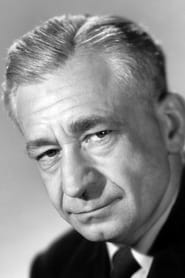
Art Smith performed in over 200 films during Hollywood's Golden Age. Born Arthur Smith Gumm, he began his acting career in the 1930s and quickly established himself as a reliable supporting player known for his distinctive bald head, glasses, and authoritative presence. Smith frequently portrayed doctors, judges, professors, and other professional men throughout his career, bringing authenticity and gravitas to every role. He worked steadily through the 1940s and 1950s, appearing in films for major studios including MGM, Warner Bros., and Paramount Pictures. His career continued into the early 1960s with appearances in television shows as well. Smith was respected by directors and fellow actors for his professionalism and ability to bring depth to even minor characters, making him an essential component of the studio system's character actor pool.
The Craft
On Screen
Art Smith specialized in playing authoritative, often stern characters with a distinctive presence. His bald head, glasses, and mustache became his trademark, making him instantly recognizable to audiences. Smith had a natural, understated acting style that brought authenticity to his roles as doctors, judges, and other professionals. He had a commanding screen presence despite often being in supporting roles, and his delivery was typically measured and precise. Smith excelled at bringing depth to relatively minor characters, using subtle facial expressions and a deliberate speaking style to convey authority and intelligence.
Milestones
- Appeared in over 200 films during Hollywood's Golden Age
- Frequent character actor in major studio productions
- Transitioned successfully to television in the 1950s
- Known for portraying authority figures and professionals
- Worked with virtually every major director of the era
Best Known For
Iconic Roles
Must-See Films
Accolades
Special Recognition
- Founding member of the Screen Actors Guild
Working Relationships
Worked Often With
Studios
Why They Matter
Impact on Culture
Art Smith, while never a star, contributed significantly to the texture and authenticity of Hollywood's Golden Age films. As. Smith represented the essential supporting players who formed the backbone of studio-era cinema, bringing professionalism and reliability to every role. His consistent presence across multiple genres and studios demonstrated the versatility and adaptability required of character actors during the studio system. Smith's work helped establish the archetype of the authority figure in American cinema, influencing how audiences perceived doctors, judges, and other professionals on screen.
Lasting Legacy
Art Smith's legacy lies in his contributions as one of Hollywood's most prolific and reliable character actors. With over 200 film appearances, he exemplified the working actor who brought professionalism and craft to every role, regardless of size. Smith's distinctive appearance and authoritative presence made him an essential component of many classic films, even when uncredited. His career represents the importance of supporting players in creating believable cinematic worlds and the vital role character actors played in the studio system. While not a household name, film historians and classic movie enthusiasts recognize Smith as part of the essential fabric of Golden Age Hollywood.
Who They Inspired
Art Smith influenced subsequent generations of character actors through his demonstration of how to build a career through reliability and professionalism rather than stardom. His ability to bring authenticity to authority figures helped establish screen archetypes that continue in cinema today. Smith's transition from film to television in the 1950s showed how established character actors could adapt to changing media landscapes. His consistent work ethic and dedication to craft, regardless of role size, served as a model for aspiring actors who sought careers as character players rather than leading men.
Off Screen
Private individual who maintained a relatively low profile off-screen despite his extensive film career. He was known among his colleagues as a professional and reliable actor who took his craft seriously but avoided the Hollywood social scene. Smith lived modestly in the Los Angeles area for most of his career and was described by those who worked with him as a quiet, thoughtful man who preferred reading and studying his craft to attending industry parties. His dedication to acting as a profession rather than a path to fame was reflected in his consistent work ethic and the respect he earned from directors and fellow actors.
Education
Limited information available, likely had some formal training in acting
Family
- Esther Muir (1935-1940)
Did You Know?
- Appeared in over 200 films during his 28-year career
- Often without on-screen billing in his early film roles
- His distinctive bald head and glasses became his trademark
- Worked with virtually every major director of Hollywood's Golden Age
- Appeared in both Casablanca (1942) and The Maltese Falcon (1941)
- Was a founding member of the Screen Actors Guild
- Continued working in television after his film career declined
- Never received top billing in any of his film appearances
- Was often typecast as doctors, judges, and other authority figures
- His real last name was Gumm, but he used Smith professionally
In Their Own Words
(On being a character actor) 'I never wanted to be a star. I wanted to be a good actor, and there's a difference.'
(On his distinctive appearance) 'People recognize me, but they don't always know my name. That's fine with me – it means I'm doing my job right.'
Frequently Asked Questions
Who was Art Smith?
Screen credits include over 200 films during Hollywood's Golden Age. Born Arthur Smith Gumm, he was known for his distinctive bald head, glasses, and frequent portrayals of authority figures such as doctors, judges, and professionals. Though never a star, his recognizable face made him a familiar presence to movie audiences from the 1930s through the 1950s.
What films is Art Smith best known for?
Titles linked here include The Maltese Falcon (1941), Casablanca (1942).
When was Art Smith born and when did he die?
Born February 15, 1899; died February 24, 1973.
What awards did Art Smith win?
Despite his extensive career and contributions to classic cinema, Art Smith did not receive major awards or Academy Award nominations. Like many character actors of his era, his contributions were recognized through consistent employment rather than formal accolades. He was, however, respected within the industry for his professionalism and was a founding member of the Screen Actors Guild.
What was Art Smith's acting style?
Art Smith had a natural, understated acting style characterized by authenticity and professionalism. He specialized in portraying authoritative figures with a measured, deliberate delivery and subtle facial expressions. His approach was rooted in realism rather than theatricality, making him particularly effective in the naturalistic film styles of the 1940s and 1950s. Smith brought depth to even minor roles through his commanding presence and precise technique.