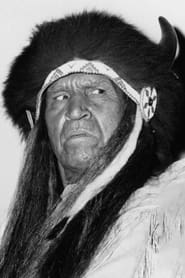
Chief Yowlachie
Actor
Born: August 15, 1891 in Yakama Indian Reservation, Washington, United States Died: March 7, 1966 Active: 1925-1960 Birth Name: Daniel Simmons
Films
1 film
About Chief Yowlachie
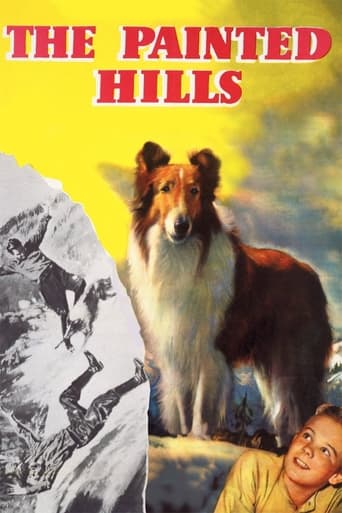
Made his mark in Hollywood during the Golden Age of cinema, particularly in Western films. Born Daniel Simmons in the late 19th century, he adopted his stage name from his Native heritage and became one of the few authentic Native American actors working in Hollywood during his era. His several decades, though he was most active from the 1920s through the 1950s, appearing in numerous films that often typecast him in traditional Native American roles. Chief Yowlachie worked with major studios including MGM, Paramount, and Universal, bringing authenticity to characters that were frequently portrayed by non-Native actors. His most notable appearance came in the 1951 Technicolor film 'The Painted Hills,' where he played alongside Lassie in this outdoor adventure set in the Oregon wilderness. Throughout his career, he appeared in over 50 films, often uncredited, but always bringing dignity and authenticity to his portrayals of Native American characters at a time when genuine representation was rare in Hollywood.
The Craft
On Screen
Chief Yowlachie was known for his dignified and authentic portrayals of Native American characters, bringing genuine cultural understanding to roles that were often stereotyped. His acting style was characterized by a quiet strength and naturalistic approach that stood in contrast to the exaggerated performances common in early Hollywood Westerns. He spoke with a measured, deliberate cadence that reflected traditional Native American speech patterns, and his physical presence commanded respect on screen. Unlike many actors of his era who relied on caricature, Yowlachie approached his roles with a sense of cultural responsibility, often incorporating authentic gestures, expressions, and movements learned from his Yakama heritage.
Milestones
- Appeared in John Ford's classic Western 'Stagecoach' (1939)
- Played a significant role in 'The Painted Hills' (1951)
- Worked extensively with director John Ford on multiple Westerns
- Appeared in the epic 'How the West Was Won' (1962)
- Featured in the TV series 'The Lone Ranger' and 'The Adventures of Rin Tin Tin'
Best Known For
Iconic Roles
Must-See Films
Accolades
Special Recognition
- Recognized by Native American film organizations for authentic representation
- Posthumously honored by the Yakama Nation for his contributions to film
Working Relationships
Worked Often With
Studios
Why They Matter
Impact on Culture
Chief Yowlachie played a crucial role in bringing authentic Native American representation to Hollywood during an era when Indigenous characters were routinely played by white actors in redface. His presence in major studio films helped challenge stereotypes and paved the way for future generations of Native American performers. By insisting on authentic portrayals and refusing to participate in demeaning caricatures, he helped establish standards for Native representation in cinema. His work with acclaimed directors like John Ford brought visibility to Native American culture and perspectives to mainstream audiences, contributing to a gradual shift in how Indigenous peoples were portrayed in American media.
Lasting Legacy
Chief Yowlachie's legacy endures as a figure who broke barriers for Native American actors in Hollywood. His active years covered the transition from silent films to talkies and into the television era, making him. Today, film historians and Native American scholars recognize him as an important figure who maintained cultural integrity while working within the constraints of Hollywood's studio system. His performances continue to be studied as examples of authentic representation, and he is remembered by the Yakama Nation as a cultural ambassador who brought their heritage to the world stage.
Who They Inspired
Chief Yowlachie influenced subsequent generations of Native American actors by demonstrating that it was possible to maintain cultural authenticity while working in mainstream Hollywood. His dignified portrayals provided a template for actors like Jay Silverheels (Tonto in The Lone Ranger) and later Native American performers who sought to bring genuine representation to their roles. He also influenced filmmakers by proving that authentic casting could enhance the credibility and artistic merit of films dealing with Native American themes. His advocacy for better representation helped open doors for more nuanced and respectful portrayals of Indigenous peoples in American cinema.
Off Screen
Chief Yowlachie was deeply connected to his Native American heritage throughout his life, maintaining strong ties to the Yakama community even while working in Hollywood. He married Mary Kiona, also of Yakama descent, and together they raised several children while balancing traditional Native values with the demands of his acting career. Despite his success in film, he never forgot his roots and often returned to the reservation, where he was respected as both an artist and a community elder. He was known for mentoring younger Native American actors and advocating for better representation of Indigenous peoples in cinema.
Education
Educated at the Yakama Indian Reservation school; later studied acting at the Pasadena Playhouse
Family
- Mary Kiona (1915-1966)
Did You Know?
- His birth name was Daniel Simmons, but he adopted 'Chief Yowlachie' as his professional name to honor his heritage
- He was a full-blooded member of the Yakama Nation and spoke both English and the Yakama language fluently
- He served as a technical advisor on several Western films to ensure authentic representation of Native American culture
- Despite appearing in over 50 films, he was often uncredited or listed simply as 'Chief' in movie credits
- He taught traditional Native American dancing and customs to non-Native actors on film sets
- He was one of the few Native American actors to work consistently across the silent, sound, and early television eras
- He turned down roles that he felt portrayed Native Americans in a demeaning or stereotypical manner
- He was a skilled horseman and often performed his own stunts in Western films
- His great-grandson followed in his footsteps and became a documentary filmmaker focusing on Native American issues
- He was friends with many famous Western actors including John Wayne, who respected his knowledge of Native American culture
In Their Own Words
I would rather play no role at all than one that dishonors my people and my heritage.
Hollywood has a lot to learn about real Indians, but I'm patient. I teach them one film at a time.
When I'm on screen, I'm not just acting. I'm representing all my people, past and present.
Frequently Asked Questions
Who was Chief Yowlachie?
Screen credits include numerous Hollywood Westerns from the 1920s through the 1950s. Born Daniel Simmons, he was one of the few authentic Native American actors working during Hollywood's Golden Age, known for bringing dignity and authenticity to his portrayals of Indigenous characters in films like 'The Painted Hills' and 'Stagecoach'.
What films is Chief Yowlachie best known for?
Titles linked here include The Painted Hills (1951), Stagecoach (1939).
When was Chief Yowlachie born and when did he die?
Born August 15, 1891; died March 7, 1966.
What awards did Chief Yowlachie win?
While Chief Yowlachie did not receive major industry awards during his lifetime, he was posthumously honored by Native American organizations and the Yakama Nation for his contributions to film and his role in advancing authentic Native American representation in Hollywood. His legacy is recognized as paving the way for future Indigenous performers.
What was Chief Yowlachie's acting style?
Chief Yowlachie was known for his dignified, authentic portrayals that brought genuine cultural understanding to Native American roles. His style was characterized by quiet strength, naturalistic delivery, and authentic gestures learned from his Yakama heritage. He refused to participate in demeaning caricatures and approached his roles with cultural responsibility.