Who's Who
Plot
In this short comic farce, a boxer and a minister are separately sent to the wrong people and each is mistaken for the other by the party expecting him. The resulting confusion hinges on appearance, assumptions, and the social comedy of trying to fit two completely different men into the wrong roles. As the misunderstandings escalate, each man is forced to navigate a situation for which he is totally unsuited, creating embarrassment and escalating comic business typical of early one-reel slapstick and situation comedy. The film resolves by untangling the mistaken identities and restoring the proper pairings, with the humor derived less from dialogue than from performance, gesture, and visual contrast.
About the Production
This is a very early American one-reel comedy from the silent era, made when studios were producing films quickly for nickelodeon exhibition. Available information identifies it as an American Film Manufacturing Company release and associates it with a lightweight mistaken-identity premise built around a boxer and a minister being confused for one another. Like many films of 1910, it was likely shot in a studio or nearby outdoor setting using simple staging, with the comedy relying on blocking, costume contrast, and pantomime rather than elaborate production design. Surviving documentation is sparse, so precise credits beyond the film's basic identification are limited in widely accessible modern records.
Historical Background
Released in 1910, the film belongs to the transitional period when American cinema was moving from novelty and brief gag pictures toward more structured narrative storytelling. This was the era of nickelodeons, when short films were designed for quick turnover and broad audience appeal, and comedy was one of the most reliable genres because it crossed language barriers and required little exposition. The mistaken-identity premise reflects theatrical traditions that were already familiar to audiences, showing how early filmmakers adapted stage comedy into a visual medium. The film is historically important as a surviving example of the kinds of shorts that formed the everyday diet of moviegoers before features became dominant.
Why This Film Matters
While not a famous landmark title, the film is culturally significant as part of the foundation of American screen comedy. Its premise shows the early cinema industry's reliance on instantly readable social types and simple visual reversals, techniques that would evolve into more elaborate slapstick and situational comedies in later years. Films like this helped establish the grammar of screen comedy: contrast in costume, confusion of identity, and the payoff of orderly restoration at the end. For historians, it is valuable as evidence of how early filmmakers transformed familiar comic situations into moving-image entertainment for mass audiences.
Making Of
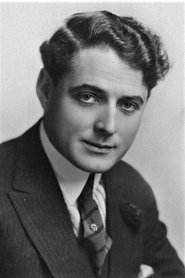
Specific behind-the-scenes documentation for this title is limited, which is typical for many 1910 shorts. The film appears to have been produced by American Film Manufacturing Company, a studio that specialized in efficiently made shorts for the rapidly expanding exhibition market. Casting a recognizable leading man such as J. Warren Kerrigan would have helped give the short commercial appeal, while Adrienne Kroell likely provided the feminine presence expected in many early comedies and melodramas of the period. Because the film predates standardized crew credits in many surviving sources, details about director, cinematographer, and exact production circumstances are not reliably documented in the information commonly available today.
Visual Style
Specific cinematographic credits and technical details are not reliably preserved in the standard summaries available for this title. As a 1910 silent comedy, it would most likely have used a fixed camera, medium-distance framing, and straightforward staging that emphasized actors' full-body performances and the clarity of the gag. Early comedies of this type often favored simple setups and minimal camera movement so the audience could read the action easily, especially in theaters where projection conditions varied. The visual style would have been functional and theatrical, with the comic effect coming from blocking, entrances, exits, and costume-based misunderstanding.
Innovations
The film does not appear to be associated with any major technical innovation. Its significance lies instead in its use of early comic storytelling techniques that helped define the silent short form. The concise premise, reliance on visual identity cues, and probable one-reel structure show how filmmakers were learning to compress a complete narrative into a short running time. In that sense, it is representative of early cinema craft rather than a technical breakthrough.
Music
There is no original recorded soundtrack, as the film was produced in the silent era. Like most films of 1910, it would have been accompanied in exhibition by live music provided by a pianist, organist, or small ensemble, often selected to match the mood of the comedy. No standardized score is known to survive for this specific title. Any modern screenings would typically use a contemporary accompaniment or a reconstructed silent-film music track if one is available.
Memorable Scenes
- The central comic setup in which the boxer is taken for the minister and the minister is taken for the boxer, creating the film's entire chain of misunderstandings.
- The escalating reactions of the wrong men as they are placed into situations they are not prepared to handle.
- The visual contrast between the two mistaken identities, which functions as the main comic engine of the short.
Did You Know?
- The film is a 1910 silent short, made during the earliest years of narrative comedy in American cinema.
- It is built around a classic mistaken-identity setup, a comic structure that was already popular on stage and in early films.
- J. Warren Kerrigan and Adrienne Kroell are among the cast names associated with the film in surviving catalog records.
- The title "Who's Who" fits the film's central joke about confusing one man for another based on role and appearance.
- As a film from 1910, it was almost certainly exhibited as part of a mixed program rather than as a feature-length attraction.
- The film is associated with the American Film Manufacturing Company, an important early U.S. producer.
- Very few plot details have survived, which is common for many one-reel comedies from the silent era.
- No synchronized soundtrack exists, as the film was made long before synchronized sound production.
- The surviving description suggests that the comedy depends on broad visual characterization rather than intertitles-heavy exposition.
- The film helps illustrate how early cinema mined everyday social types such as clergy and sportsmen for instant comic contrast.
What Critics Said
Contemporary detailed criticism of this specific short is not well documented in accessible modern sources, which is common for many films of its era. At the time of release, such shorts were generally reviewed, if at all, as part of trade reporting rather than through the kind of in-depth criticism later reserved for features. From a modern perspective, the film is of interest primarily to silent-film scholars and archivists for its place in early comedy history, its cast associations, and its survival in records rather than for a widely studied critical reputation. The surviving plot concept suggests a straightforward, audience-friendly farce that would likely have been appreciated for its clear comic premise.
What Audiences Thought
No detailed audience reception data has survived in widely available form. In 1910, a short comedy like this would typically have been received as a light diversion in a program of multiple shorts, news items, and perhaps a drama or scenic film. The premise of mistaken identity would have been easy for audiences to follow and likely effective because it depended on instantly legible social roles and visual contrast. Its historical audience impact is therefore best understood as part of the everyday entertainment fabric of early moviegoing rather than as a single standout sensation.
Film Connections
Influenced By
- Stage farce and vaudeville mistaken-identity comedy
- Early silent comic shorts built around visual misunderstanding
- Popular 19th-century and early 20th-century farcical plotting
This Film Influenced
- Later silent slapstick comedies using mistaken identity
- Numerous farcical comedies built on swapped roles and social confusion
- Early screen comedy routines that paired contrasting character types
You Might Also Like
More Comedy Films
View allFilm Restoration
Preservation status is uncertain in the sense that this title survives primarily through cataloging and archival references rather than through widely circulated modern prints. It is not generally known as a fully restored, heavily distributed title, and many films of this era are fragmentary, rare, or accessible only through archives. If extant, it is likely held in archival collections or preserved in some form of nitrate-era survival copy, but reliable public detail is limited. It should be treated as an obscure silent short with uncertain accessibility.