Three Million Dollars
Plot
Mr. Joseph Close, a rancher, travels into town with his wife and daughter to buy supplies, and during the outing his daughter makes a striking impression on the storekeeper, creating a bit of small-town romantic excitement. After the family returns home, Close discovers a letter in his mailbox from an attorney informing him that his brother has died and left three million dollars to his daughter. The inheritance, however, comes with a strict condition: she must produce an official certificate proving her marriage within one month of the uncle’s death. The story then turns on the family’s attempts to satisfy this unexpected legal requirement, using comedy, romance, and frontier-style misunderstandings to drive the plot forward.
Director
Allan DwanAbout the Production
This is a very early one-reel silent western-comedy made during Allan Dwan’s productive period at American Film Manufacturing Company, when the studio was rapidly turning out short genre pictures for the nickelodeon market. Like many films from 1911, it was likely shot quickly and economically on location near the Flying A studio base in Santa Barbara, using natural light and simple setups rather than elaborate sets. Surviving documentation is limited, so precise budget, box-office performance, and detailed production reports are not known. The film is notable primarily as an example of Dwan’s early work blending domestic comedy, western settings, and light romance into a compact narrative.
Historical Background
Three Million Dollars was produced in 1911, during the formative years of the American motion picture industry, when one-reel films were the standard exhibition format and studios were still developing consistent genre formulas. The western was already a popular screen type, but it had not yet fully transformed into the later feature-length mythic form; instead, many early westerns mixed frontier imagery with comedy, romance, and domestic melodrama. The film also reflects the era’s fascination with inheritance plots and legal conditions, which allowed filmmakers to create quick dramatic stakes without complex characterization. In a broader sense, it belongs to the transition period in which cinema was moving from novelty toward narrative sophistication, and directors like Allan Dwan were learning how to tell complete stories economically within severe runtime limits.
Why This Film Matters
Although Three Million Dollars is not a widely known surviving classic, it is culturally significant as part of Allan Dwan’s early body of work and as evidence of how early American films blended genres to satisfy mass audiences. It shows the Western not only as an action genre but also as a setting for courtship, family complications, and comic social inversion. Films like this helped establish the studio-era habit of using recognizable stars, concise premises, and high-concept hooks to attract viewers. For historians, it is also valuable as an example of Flying A production practices and the development of Southern California as a filmmaking center.
Making Of
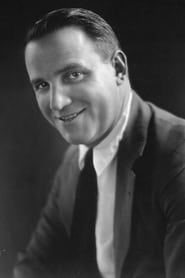
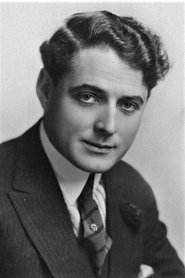
Three Million Dollars was made at a time when Allan Dwan was building his reputation by directing large numbers of short films for the American Film Manufacturing Company. The Flying A unit in Santa Barbara was known for efficient production, with crews working quickly to stage western and domestic scenes in natural light and on nearby outdoor locations. Casting J. Warren Kerrigan and Pauline Bush would have given the film a recognizable studio pair, helping to market the short to nickelodeon audiences who followed recurring stock players. No extensive behind-the-scenes documentation survives, but the film fits the pattern of early 1910s production: concise running time, minimal set construction, and a plot designed to be immediately legible to audiences without spoken dialogue.
Visual Style
The film would almost certainly have relied on the visual conventions of early 1910s silent filmmaking: static or lightly adjusted camera placement, medium-distance staging to capture full-body performance, and extensive use of outdoor natural light. Flying A productions of this period often emphasized clean compositions and readable action, with actors arranged so their gestures and reactions could be easily understood by audiences. Because the film is a short western-comedy, its cinematography likely balanced ranch exteriors with simple interior scenes in a functional, story-forward style. There is no evidence of sophisticated camera movement or elaborate pictorial experimentation, but the visual clarity would have been essential to the film’s effectiveness.
Innovations
The film’s primary achievement was narrative efficiency: it condensed a complete inheritance-comedy plot into a one-reel format while keeping the story intelligible through visual action alone. For the period, that required disciplined staging, clear spatial organization, and performances broad enough to read without dialogue. While it does not appear to feature a major technical innovation, it is representative of the professionalization of early studio filmmaking under directors like Allan Dwan. Its importance lies in its craftsmanship and in documenting the studio system’s ability to produce genre entertainment at speed.
Music
As a 1911 silent film, Three Million Dollars had no synchronized recorded soundtrack. Exhibition would have been accompanied by live music, typically a pianist or small theater orchestra selecting cues to match the comedic and romantic shifts in the story. Surviving records do not identify any specific compiled score or cue sheet for the film. Any modern presentation would likely use a reconstructed silent-film accompaniment rather than an original fixed soundtrack.
Memorable Scenes
- The daughter’s flirtatious impact on the town storekeeper during the family’s supply run, which establishes the romantic-comic tone.
- Mr. Close discovering the attorney’s letter in the mailbox and realizing that his daughter’s inheritance depends on producing a marriage certificate within a month.
- The family’s immediate reaction to the bizarre legal condition, which serves as the film’s central comic complication.
Did You Know?
- The film is an early Allan Dwan title, made before he became one of the most prolific and long-lived directors in American cinema.
- It stars J. Warren Kerrigan and Pauline Bush, two familiar faces in early Flying A productions.
- The story combines western ranch life with inheritance farce, a hybrid that was popular in silent shorts of the period.
- The title refers to the huge inheritance at the center of the plot, a comic exaggeration meant to attract audiences.
- The film was produced during the rapid expansion of the American Film Manufacturing Company’s Flying A brand, one of the important early West Coast studios.
- As a 1911 release, it was made before feature-length westerns became the industry norm, so the entire narrative had to be compressed into a single reel.
- The plot description preserved in surviving records suggests the film relied heavily on situational comedy and legal-scheme melodrama rather than action set pieces.
- Like many films from this period, it likely used intertitles sparingly and depended on expressive acting and broad visual storytelling.
- The film is now of interest mainly to historians studying Allan Dwan’s early career and the development of the western-comedy hybrid.
- Because it is an extremely early silent film, detailed contemporary reviews and production records are scarce or absent.
What Critics Said
Contemporary critical reception is difficult to reconstruct because detailed reviews of many 1911 shorts were not consistently preserved, and this title does not appear to have generated extensive national criticism. In its own time it was likely received as a modest, entertaining nickelodeon program item rather than a prestige attraction, judged on clarity, novelty, and audience appeal. Modern assessment tends to focus less on the film’s artistic reputation and more on its historical interest: Allan Dwan’s early craftsmanship, the studio context, and the way it illustrates silent-era storytelling conventions. Its scarcity in film histories suggests that it is more important to archivists and scholars than to the general public.
What Audiences Thought
Audience reaction is not documented in detail, but the film’s premise suggests it was designed to be immediately accessible and amusing to general viewers. The combination of a ranch family, a town visit, romantic interest, and a sensational inheritance condition would have provided the sort of easy-to-follow entertainment favored by early nickelodeon audiences. Like many short comedies and light dramas of the era, it likely succeeded through simple emotional recognition and a brisk pace rather than through elaborate spectacle. No reliable records survive indicating specific attendance figures or public response.
Film Connections
Influenced By
- Popular stage comedies about sudden inheritance and marriage conditions
- Early western short subjects that mixed frontier settings with domestic melodrama
- Nickelodeon-era situational comedies built around legal or social complications
This Film Influenced
- Early western comedies that combined ranch settings with romantic farce
- Later inheritance-comedy silent shorts
- Allan Dwan’s own continuing exploration of hybrid genre storytelling
You Might Also Like
More Comedy Films
View allMore from Allan Dwan
View allFilm Restoration
The preservation status is uncertain in publicly available records. The film is obscure and may survive only in fragmentary archival references, with no widely circulated restored print currently known. If a copy exists, it is likely held by a specialized archive or private collection rather than being broadly available. Because early American shorts were frequently lost, it should be treated as a potentially lost or incompletely documented film until a surviving print is confirmed.