
Pauline Bush
Actor
Born: May 22, 1886 in Lincoln, Nebraska, USA Died: November 1, 1969 Active: 1911-1917
Films
3 films
About Pauline Bush
American silent film actress who had a brief but notable career in the early 1910s, primarily working with Universal Studios. She was discovered and mentored by director/actor Lon Chaney Sr. During their time together at Universal, where she was often cast as the leading lady in short films and serials. Bush was part of a group of young Universal actors known as 'The Little Comrades,' which included Chaney, Francis Ford, Grace Cunard, and others who would go on to significant careers in Hollywood. Her career peaked around 1913-1914 when she appeared in numerous one-reel and two-reel films, frequently opposite Chaney before he became the 'Man of a Thousand Faces.' After 1914, her film appearances became increasingly sporadic, and she essentially retired from acting by the mid-1910s. She married director Frank Borzage in 1917, though the marriage was short-lived. Her legacy is primarily preserved through her early collaborations with Chaney and her contributions to the development of American silent cinema during its formative years.
The Craft
On Screen
Pauline Bush was known for her expressive and emotional acting style typical of the silent era, with a particular talent for conveying dramatic intensity through facial expressions and body language. She often played innocent heroines or romantic leads, bringing a naturalistic quality to her performances that stood out in the era's often melodramatic style. Her technique emphasized subtle emotional nuances rather than the exaggerated gestures sometimes associated with early silent film acting.
Milestones
- Early collaborations with Lon Chaney Sr. At Universal Studios
- Member of 'The Little Comrades' acting troupe
- Leading lady in numerous Universal shorts and serials
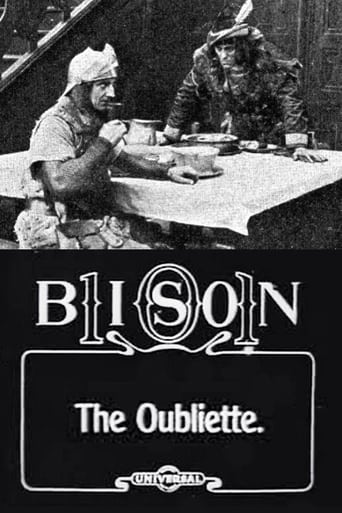
- Starred in 'The Oubliette' (1914)
- Frequent pairing with Francis Ford in Universal productions
Best Known For
Iconic Roles
Must-See Films
Working Relationships
Worked Often With
Studios
Why They Matter
Impact on Culture
Pauline Bush represents the generation of American film actors who helped establish the language of cinema during its formative years. As part of Universal's early stock company, she contributed to the development of the studio system and the star-making machinery that would define Hollywood for decades. Her collaborations with Lon Chaney during his formative years provide valuable insight into the development of one of cinema's most iconic actors, and her work exemplifies the transition from stage acting to film acting techniques that characterized early American cinema.
Lasting Legacy
While Pauline Bush is not widely remembered today, film historians recognize her as an important figure in early American cinema. Her surviving films, particularly those featuring Lon Chaney, are studied for their historical value and for understanding the evolution of silent film acting techniques. She represents the countless actors who built the foundation of Hollywood but whose names have faded from popular memory, serving as a reminder of the many talented performers who contributed to cinema's early development.
Who They Inspired
As a member of Universal's early acting company, Bush was part of an environment that fostered collaboration and experimentation in filmmaking. Her work with emerging talents like Lon Chaney contributed to the development of acting techniques that would become standard in silent cinema. Though her direct influence on later generations is difficult to trace, she was part of the foundational generation that established professional acting practices in American film.
Off Screen
Pauline Bush married fellow actor and director Frank Borzage in 1917, though the marriage was short-lived and ended in divorce. Borzage would later become a celebrated director, winning two Academy Awards for Best Director. After her film career ended, Bush married a businessman and largely withdrew from public life, maintaining a relatively private existence until her death in 1969. Little is known about her family life or children, as she successfully avoided the spotlight after leaving the entertainment industry.
Education
No formal acting education was recorded, which was typical for actors of her era who often learned through practical experience and on-the-job training at film studios.
Family
- Frank Borzage (1917-1920)
Did You Know?
- Pauline Bush was part of Universal Studios' first generation of contract players
- She frequently co-starred with Lon Chaney before he became famous as the 'Man of a Thousand Faces'
- She was a member of an informal group at Universal called 'The Little Comrades'
- Her film 'The Oubliette' (1914) was directed by Charles Giblyn and co-starred Lon Chaney
- She married director Frank Borzage, who would later win two Academy Awards for Best Director
- Most of her films are now considered lost, a common fate for early silent productions
- She worked primarily in one and two-reel films, which were the standard format of the era
- Her acting active years covered only about 6 years, typical for many early film actors
- She was born in Nebraska but moved to California to pursue her film career
- After retiring from films, she largely disappeared from public life and avoided interviews
Frequently Asked Questions
Who was Pauline Bush?
American silent film actress who worked primarily with Universal Studios in the early 1910s. She was known for her collaborations with a young Lon Chaney Sr. And was part of Universal's generation of contract players.
What films is Pauline Bush best known for?
Titles linked here include The Oubliette (1914), The Light (1914).
When was Pauline Bush born and when did she die?
Born May 22, 1886; died November 1, 1969.
What awards did Pauline Bush win?
Pauline Bush did not receive any major awards during her career, which was common for actors working in the early 1910s before the establishment of formal award ceremonies like the Academy Awards.
What was Pauline Bush's acting style?
Bush employed the expressive, emotionally-driven acting style typical of the silent era, with a talent for conveying dramatic intensity through facial expressions and body language. She often portrayed innocent heroines and romantic leads with a naturalistic quality.
Did Pauline Bush work with any famous actors?
Yes, Pauline Bush frequently worked with Lon Chaney Sr. Before he became famous, as well as Francis Ford and other Universal players who would later achieve greater recognition in Hollywood.
Why did Pauline Bush's career end so quickly?
Like many early film actors, Bush's career was relatively brief, ending by the mid-1910s. This was common for performers of the era who either chose marriage, found the work unstable, or were replaced by newer talent as the industry evolved.