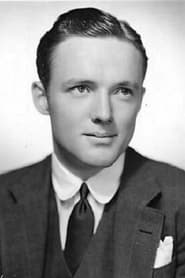
Frank Albertson
Actor
Born: February 2, 1909 in Fergus Falls, Minnesota, USA Died: February 29, 1984 Active: 1923-1984 Birth Name: Francis Breen Albertson
Films
6 films



About Frank Albertson
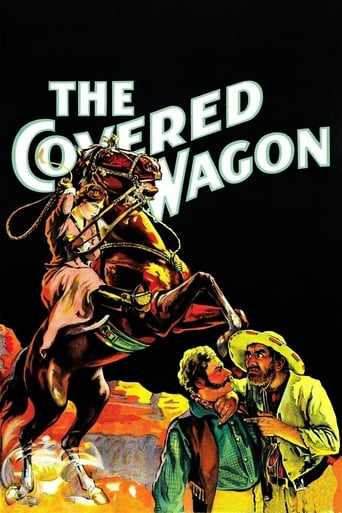
Frank Albertson, born Francis Breen Albertson, was an American character actor whose remarkable over six decades, from the silent era through the Golden Age of Hollywood and into the television era. Beginning as a child actor in silent films like 'The Covered Wagon' (1923), he successfully navigated the challenging transition to talkies, demonstrating remarkable adaptability. Albertson became known for his versatility, appearing in over 200 films and television productions, often playing reliable, everyman characters with a warm, affable presence. He worked consistently through the 1930s and 1940s, establishing himself as a dependable supporting actor in both dramatic and comedic roles. His career experienced a significant resurgence in the 1950s and 1960s with appearances in major films like 'Psycho' and 'It's a Wonderful Life.' Later in life, he successfully transitioned to television, appearing in numerous popular series. Albertson continued working actively until shortly before his death in 1984, leaving behind a legacy as one of Hollywood's most prolific and reliable character actors.
The Craft
On Screen
Albertson was known for his naturalistic, understated acting style that made him perfect for playing everyday, relatable characters. He had a warm, affable screen presence that audiences found trustworthy and familiar. His approach was subtle yet effective, never overplaying his roles even in comedic situations. He excelled at portraying the reliable friend, the concerned neighbor, or the trustworthy businessman with genuine authenticity. His delivery was always natural and conversational, which helped him transition seamlessly from silent films to talkies.
Milestones
- Appeared in the epic silent film 'The Covered Wagon' (1923) as a teenager
- Successfully transitioned from silent films to talkies
- Played memorable role as Sam Wainwright in 'It's a Wonderful Life' (1946)
- Appeared in Alfred Hitchcock's 'Psycho' (1960) as Tom Cassidy
- Served in the Army Air Forces during World War II
- Transitioned successfully to television in the 1950s and 1960s
- Appeared in over 200 film and television productions throughout his career
Best Known For
Iconic Roles
Must-See Films
Accolades
Special Recognition
- Hollywood Walk of Fame star (located at 6754 Hollywood Boulevard)
Working Relationships
Worked Often With
Studios
Why They Matter
Impact on Culture
Frank Albertson's cultural impact lies in his representation of the American everyman across multiple decades of cinema. His ability to portray relatable, trustworthy characters made him a familiar face to generations of moviegoers. In 'It's a Wonderful Life,' his character Sam Wainwright and his catchphrase 'Hee-haw!' became part of American pop culture, referenced in countless parodies and homages. His appearance in 'Psycho' as the wealthy customer who Marion Crane steals from places him at the center of one of cinema's most iconic opening sequences. Albertson's career trajectory from silent child actor to television regular mirrors the evolution of the entertainment industry itself, making him a living connection between different eras of American media.
Lasting Legacy
Frank Albertson's legacy is that of Hollywood's ultimate reliable character actor - the face audiences recognized even if they didn't know his name. His six-decade career shows adaptability in an ever-changing industry. He represents the thousands of working actors who form the backbone of classic cinema, providing essential support to leading players while bringing depth and authenticity to every role. His performances in landmark films like 'It's a Wonderful Life' and 'Psycho' ensure that he will be forever remembered, even as a supporting player. Albertson's career demonstrates that longevity in Hollywood often comes not from stardom, but from consistency, professionalism, and the ability to bring life to even the smallest roles.
Who They Inspired
Albertson influenced subsequent generations of character actors through his example of professionalism and versatility. His naturalistic acting style helped pave the way for more realistic performances in supporting roles. Younger actors often studied his technique for making small roles memorable through subtle choices and authentic delivery. His successful transition from film to television in the 1950s provided a model for other film actors facing the rise of the new medium. Albertson's ability to work consistently across different genres and with various directors showed the value of being a reliable, adaptable performer rather than a typecast star.
Off Screen
Frank Albertson married twice during his lifetime. His first marriage was to actress Grace Bradley in 1935, but the marriage ended in divorce. He later married Helen J. Sack in 1948, and they remained together until his death in 1984. Albertson was known as a private person who kept his personal life out of the Hollywood spotlight. During World War II, he served in the Army Air Forces, taking a break from his acting career to serve his country. He was well-liked in Hollywood circles and maintained good relationships with many of his co-stars throughout his long career.
Education
Attended local schools in Minnesota before moving to Hollywood as a teenager
Family
- Grace Bradley (1935-1941, divorced)
- Helen J. Sack (1948-1984, his death)
Did You Know?
- Born on February 2, 1909, and died on February 29, 1984 (leap year) - making his death date particularly unique
- Began his career as a child actor in silent films when he was only 14 years old
- Appeared in over 200 films and television productions during his 61-year career
- His character Sam Wainwright's catchphrase 'Hee-haw!' in 'It's a Wonderful Life' became one of the film's most memorable elements
- In 'Psycho,' his character Tom Cassidy is the wealthy man whose money Marion Crane steals, setting the entire plot in motion
- Served in the Army Air Forces during World War II, temporarily putting his acting career on hold
- Received a star on the Hollywood Walk of Fame for his contributions to the film industry
- His first wife, Grace Bradley, was also a successful actress who appeared in numerous films in the 1930s
- Successfully made the transition from silent films to talkies, a feat many actors of his generation couldn't accomplish
- Continued acting regularly into his 70s, appearing in television shows well into the 1970s
- Despite appearing in many classic films, he was rarely the star, embodying the term 'character actor'
In Their Own Words
As Sam Wainwright in 'It's a Wonderful Life': 'Hee-haw! That's the boy!' (his signature catchphrase)
As Tom Cassidy in 'Psycho': 'I'm buying this house for my baby. 40,000 dollars cash!' (the money that sets the plot in motion)
About his long career: 'I never became a star, but I always worked. That's more than many actors can say.'
On acting: 'The secret to longevity in this business is simple: show up, know your lines, and don't cause trouble.'
Frequently Asked Questions
Who was Frank Albertson?
American character with credits in this catalog. He was known for playing reliable, everyman characters and appeared in classic films like 'It's a Wonderful Life' and 'Psycho'.
What films is Frank Albertson best known for?
Titles linked here include The Covered Wagon (1923), It's a Wonderful Life (1946).
When was Frank Albertson born and when did he die?
Born February 2, 1909; died February 29, 1984.
What awards did Frank Albertson win?
While Frank Albertson didn't receive major individual acting awards, he was honored with a star on the Hollywood Walk of Fame for his contributions to the film industry. He appeared in several Academy Award-winning films, including 'The Best Years of Our Lives' and 'It's a Wonderful Life,' contributing to their success.
What was Frank Albertson's acting style?
Albertson was known for his naturalistic, understated acting style that made him perfect for portraying everyday, relatable characters. He had a warm, affable screen presence and excelled at playing trustworthy, reliable figures with genuine authenticity, never overplaying his roles even in comedic situations.
How did Frank Albertson transition from silent films to talkies?
Albertson successfully made the transition from silent films to talkies, a feat many actors of his generation couldn't accomplish. His natural delivery style and clear speaking voice helped him adapt to the new medium, allowing him to continue working steadily through the 1930s and beyond.
Did Frank Albertson serve in the military?
Yes, Frank Albertson served in the Army Air Forces during World War II, taking a break from his acting career to serve his country. This service was common among Hollywood actors of his generation, and he returned to acting after the war.
Was Frank Albertson related to anyone else in Hollywood?
Frank Albertson was married to actress Grace Bradley from 1935 to 1941. Bradley was a successful actress who appeared in numerous films in the 1930s. His second marriage was to Helen J. Sack, who was not in the entertainment industry.