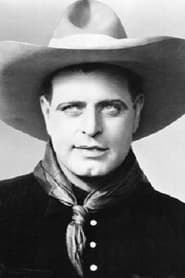
Jack Hoxie
Actor
Born: January 11, 1885 in Kingfisher Creek, Oklahoma Territory, USA Died: March 28, 1965 Active: 1915-1948 Birth Name: John Hartford Hoxie
Films
4 films

About Jack Hoxie
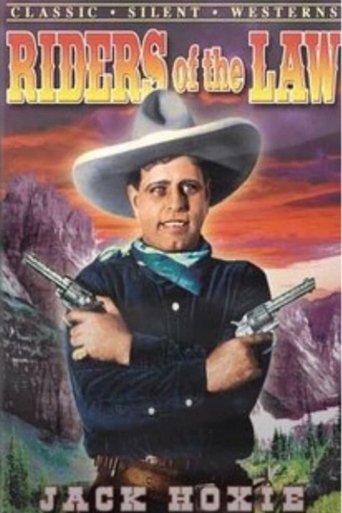
Jack Hoxie, born John Hartford Hoxie, was an American silent film actor who rose to prominence as popular Western stars of the 1920s. Beginning his career as a professional rodeo performer and circus acrobat, Hoxie transitioned to films in 1915, bringing authentic cowboy skills and exceptional horsemanship to his roles. His breakthrough came through his work with Universal Pictures, where he starred in numerous Western features that capitalized on his genuine frontier background and athletic abilities. Throughout the 1920s, Hoxie became a reliable box office draw alongside contemporaries like Tom Mix and Hoot Gibson, appearing in over 100 films during his career. Unlike many actors who merely played cowboys on screen, Hoxie was the real deal, performing his own stunts and riding sequences with remarkable skill. His career declined with the advent of sound films, though he continued working in smaller roles and serials through the 1930s and 1940s. Hoxie's legacy as a silent Western star remains significant, representing the authentic cowboy archetype that audiences of the era craved and helping establish many conventions of the Western genre.
The Craft
On Screen
Hoxie was known for his natural, understated acting style that emphasized authenticity over theatricality. His performances were characterized by genuine physical prowess, particularly his exceptional horsemanship and stunt work. Unlike many of his contemporaries who relied on exaggerated gestures typical of silent film acting, Hoxie brought a quiet dignity and realism to his cowboy roles. His background as a real rodeo performer allowed him to perform his own stunts, lending credibility to his action sequences. Hoxie's screen persona was that of the strong, silent hero who solved problems with action rather than words, perfectly suited to the Western genre.
Milestones
- First film appearance in 1915
- Breakthrough role in 'The Mystery of the Hills' (1916)
- Contract with Universal Pictures (1917-1922)
- Formation of his own production company Jack Hoxie Productions (1923-1926)
- Transition to sound films in the early 1930s
- Starred in over 100 films during his career
Best Known For
Iconic Roles
Must-See Films
Accolades
Won
- Star on the Hollywood Walk of Fame
Special Recognition
- Hollywood Walk of Fame Star for contributions to motion pictures
Working Relationships
Worked Often With
Studios
Why They Matter
Impact on Culture
Jack Hoxie represented the authentic cowboy archetype during the golden age of silent Westerns, helping establish many conventions that would define the genre for decades. His genuine rodeo background and natural horsemanship set a standard for realism in Western filmmaking that influenced subsequent generations of cowboy actors. Hoxie's films contributed significantly to the Western's dominance in American cinema during the 1920s, demonstrating the public's appetite for authentic frontier stories and real cowboy skills. His success helped solidify the Western as a uniquely American genre and established visual and narrative patterns that would be copied and refined by later filmmakers. While less remembered today than stars like Tom Mix, Hoxie's contributions to popularizing Western films and establishing the cowboy hero as an American cinematic icon were substantial.
Lasting Legacy
Jack Hoxie's legacy lies in his embodiment of the authentic Western hero during the silent era and his role in establishing many conventions of the Western genre. His films, while rarely screened today, are important artifacts of early American cinema that showcase the evolution of Western storytelling. Hoxie's emphasis on real horsemanship and authentic cowboy skills influenced subsequent Western stars and helped establish audience expectations for the genre. His career trajectory—from rodeo performer to film star to relative obscurity—mirrors the path of many silent era actors who struggled to transition to sound. Film historians recognize Hoxie as an important figure in popularizing Western films and contributing to the development of the cowboy hero as an enduring American symbol.
Who They Inspired
Hoxie influenced later Western actors through his commitment to authenticity and his demonstration that real cowboy skills could translate to screen success. His natural acting style and emphasis on physical prowess over theatricality helped pave the way for more realistic Western performances. Stars like John Wayne and Gary Cooper, though more famous, benefited from the foundation laid by actors like Hoxie who established the cowboy hero as a credible, physically capable figure rather than merely a costume. Hoxie's success in performing his own stunts and horse work set a precedent for the importance of practical skills in Western filmmaking.
Off Screen
Jack Hoxie was married multiple times, including to fellow actress Marin Sais from 1916 to 1922. He had one daughter, Ramona Hoxie, from his marriage to Sais. His personal life was relatively stable compared to many silent film stars, though he faced financial difficulties after his film career declined. In his later years, he ran a small ranch in Texas and occasionally appeared in small film roles. Hoxie maintained friendships with other Western stars of his era, particularly Tom Mix, and was respected for his authentic cowboy background and professionalism.
Education
Limited formal education; primarily trained through real-world experience as a ranch hand, rodeo performer, and circus acrobat
Family
- Marin Sais (1916-1922)
- Dorothea D. Hoxie (1925-1931)
- Bonnie A. Hoxie (1932-1948)
- Betty J. Hoxie (1950-1965)
Did You Know?
- Hoxie — professional rodeo rider before entering films
- He performed most of his own stunts and horse riding sequences
- His mother was a member of the Nez Perce tribe, giving him Native American heritage
- He once worked as a ranch hand for the famous 101 Ranch
- Hoxie stood 6'1" tall, which was considered quite tall for his era
- He owned and trained his own horses for film work
- His production company was called 'Jack Hoxie Productions'
- He appeared in over 100 films during his career
- Hoxie was friends with fellow Western star Tom Mix
- He made a brief comeback in the 1930s with sound Western serials
- His authentic cowboy background made him stand out from other actors who merely played cowboys
In Their Own Words
I don't have to act like a cowboy—I am one.
The best way to learn to ride is to fall off a horse a few times.
In pictures, you have to be a good rider, but in the rodeo, you have to be great.
Frequently Asked Questions
Who was Jack Hoxie?
American silent film with credits in this catalog. Known for his authentic cowboy background and exceptional horsemanship, he starred in dozens of Western films, primarily for Universal Pictures, and performed most of his own stunts.
What films is Jack Hoxie best known for?
Titles linked here include The Man from Hell's River (1922), The Galloping Ace (1924).
When was Jack Hoxie born and when did he die?
Born January 11, 1885; died March 28, 1965.
What awards did Jack Hoxie win?
While Jack Hoxie did not receive major film awards during his career, he was honored with a star on the Hollywood Walk of Fame for his contributions to the film industry, particularly in the Western genre.
What was Jack Hoxie's acting style?
Hoxie was known for his natural, understated acting style that emphasized authenticity over theatricality. His performances featured genuine physical prowess, particularly his exceptional horsemanship and stunt work, bringing realism to his cowboy roles.
How did Jack Hoxie get into films?
Hoxie transitioned to films from his career as a rodeo performer and circus acrobat, leveraging his authentic cowboy skills and horsemanship to secure roles in Western films beginning in 1915.
What was Jack Hoxie's heritage?
Jack Hoxie had Native American heritage through his mother, who was a member of the Nez Perce tribe, contributing to his authentic frontier appearance and appeal in Western roles.
How many films did Jack Hoxie appear in?
Jack Hoxie appeared in over 100 films during his career, which spanned from 1915 to 1948, with his most prolific period being the 1920s when he was a major Western star for Universal Pictures.