
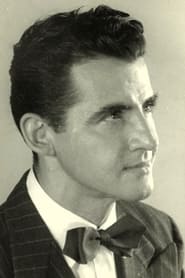
Allan Sears
Actor
Born: June 24, 1888 in San Francisco, California, USA Died: July 2, 1969 Active: 1915-1916
Films
3 films
About Allan Sears
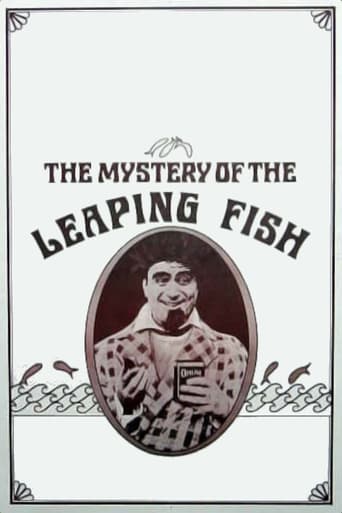
American silent film actor who had a brief but notable career during the mid-1910s, appearing in several productions during the early days of Hollywood cinema. Born in San Francisco in 1888, Sears entered the film industry during its formative years, working primarily as a supporting actor in short films and features. His most recognizable roles came in 1915 with his appearance in the historical drama 'Martyrs of the Alamo' and in 1916 with 'The Mystery of the Leaping Fish,' a comedy short that starred Douglas Fairbanks and parodied detective stories of the era. Like many character actors of the silent period, Sears often played secondary roles that supported the leading stars of the day. His career, while not extensive, coincided with a pivotal time in cinema history when the industry was transitioning from short subjects to feature-length productions. After his brief period of activity in 1915-1916, Sears largely disappeared from the film industry, a common fate for many supporting actors of the era who did not transition to leading roles. He lived until 1969, having witnessed the complete transformation of the film industry from silent pictures through the golden age of Hollywood and into the modern era.
The Craft
On Screen
As a supporting actor in the silent era, Sears employed the exaggerated gestures and facial expressions typical of early cinema, where physical performance was essential for conveying emotion and character without dialogue. His style would have been influenced by theatrical traditions, as many early film actors came from stage backgrounds.
Milestones
- Appeared in 'Martyrs of the Alamo' (1915)
- Featured in 'The Mystery of the Leaping Fish' (1916) alongside Douglas Fairbanks
- Worked during the transitional period of early Hollywood cinema
Best Known For
Iconic Roles
Must-See Films
Working Relationships
Worked Often With
Studios
Why They Matter
Impact on Culture
Allan Sears represents the countless supporting actors who formed the backbone of early Hollywood cinema, contributing to the development of the film industry during its crucial formative years. While not a major star, his participation in films like 'Martyrs of the Alamo' and 'The Mystery of the Leaping Fish' places him within the historical context of American cinema's evolution from short subjects to feature films. His work with Douglas Fairbanks, one of the era's biggest stars, demonstrates how supporting players were essential to the success of early productions. Sears' career trajectory—from brief film activity to returning to private life—typifies the experience of many early film actors who did not achieve lasting fame but nonetheless played their part in cinema history.
Lasting Legacy
Allan Sears' legacy lies primarily in his contribution to the preservation of early American film history through his documented appearances in notable silent productions. His work survives as part of the historical record of cinema's development, particularly in films that have been preserved and studied by film historians. While he did not achieve the lasting recognition of leading actors from his era, Sears represents the thousands of working actors who were essential to the film industry's growth during the silent period. His appearances in films that have survived to the present day ensure that his contribution to early cinema, however modest, remains part of the historical narrative of Hollywood's golden age.
Who They Inspired
As a supporting actor with a brief career, Allan Sears did not have a significant direct influence on other actors or the film industry in a lasting way. However, like all actors of his generation, he contributed to the development of film acting techniques during the transition from stage to screen performance. His work in ensemble casts helped establish the importance of supporting characters in narrative film structure, a concept that would become fundamental to cinema throughout the 20th century.
Off Screen
Little is documented about Allan Sears' personal life, which is common for supporting actors from the silent era who did not achieve major stardom. He was born and raised in San Francisco during the late 19th century and later moved to Los Angeles to pursue his film career. After his brief stint in acting, Sears apparently left the entertainment industry and lived a relatively private life until his death in Los Angeles in 1969 at the age of 81.
Did You Know?
- Appeared in 'The Mystery of the Leaping Fish' (1916), which was a parody of Sherlock Holmes-style detective stories
- Worked with Douglas Fairbanks during Fairbanks' early career before he became one of Hollywood's biggest stars
- Participated in 'Martyrs of the Alamo' (1915), one of the earliest film depictions of the famous Texas battle
- His entire known film active years covered only two years, making him representative of many transient actors in early Hollywood
- Born in San Francisco, he would have been a young man during the devastating 1906 earthquake
- Lived to see the complete transformation of cinema from silent films through the golden age and into the modern era
- Like many silent era actors, most of his films are now considered lost or difficult to access
- Triangle Film Corporation, which produced 'The Mystery of the Leaping Fish,' was
Frequently Asked Questions
Who was Allan Sears?
American silent film with credits in this catalog. He is best known for his appearances in 'Martyrs of the Alamo' (1915) and 'The Mystery of the Leaping Fish' (1916) alongside Douglas Fairbanks.
What films is Allan Sears best known for?
Titles linked here include Martyrs of the Alamo (1915), The Mystery of the Leaping Fish (1916).
When was Allan Sears born and when did he die?
Born June 24, 1888; died July 2, 1969.
What awards did Allan Sears win?
There are no records of Allan Sears receiving any major awards or nominations for his film work, which was common for supporting actors during the early silent era when formal award ceremonies were not yet established.
What was Allan Sears' acting style?
As a silent era actor, Sears would have used the exaggerated physical gestures and facial expressions typical of early cinema, where performance relied heavily on visual storytelling rather than dialogue.
Why was Allan Sears' career so short?
Sears' brief career from 1915-1916 was typical of many supporting actors in early Hollywood who struggled to find consistent work in an industry still developing its star system and professional structure.
Did Allan Sears work with any famous actors?
Yes, his most notable collaboration was with Douglas Fairbanks in 'The Mystery of the Leaping Fish' (1916), during Fairbanks' rise to stardom before he became one of Hollywood's biggest icons.